




You get zero liquid discharge (ZLD) by putting membrane separation, evaporation, and crystallization together. Then you size the ZLD system based on wastewater quality, daily capacity, and cost. No single technology reaches true zero liquid discharge on its own.
Most textile plants go through three stages. Pre-treatment and biological breakdown come first. Reverse osmosis comes next. Evaporation finishes the treatment train and leaves a solid residue.
A well-matched system turns textile wastewater into reusable water and recoverable salt. Your discharge gets cleaner, and compliance gets steadier. Process water goes back to the line. This approach also cuts the amount of water you send for final disposal. The textile industry gains a real closed loop.
Key Takeaways
Use membranes, evaporation, and crystallization together to reach true zero liquid discharge.
Test your wastewater first so you can size the system correctly and avoid costly mistakes.
Get back as much as 96% of the water and use the salt again to lower running costs and save money.
Plan your energy use and compliance early to keep your plant running smoothly.
Cut waste before it starts, and test your design on a small scale before you buy equipment.
Core ZLD Technologies

A zero liquid discharge system depends on two kinds of technology. Membranes make the wastewater more concentrated. Thermal equipment turns that concentrate into solid waste. You use both together to reach true zero liquid discharge. This team of technologies is the base of every working ZLD system in the textile industry.
Membrane Separation
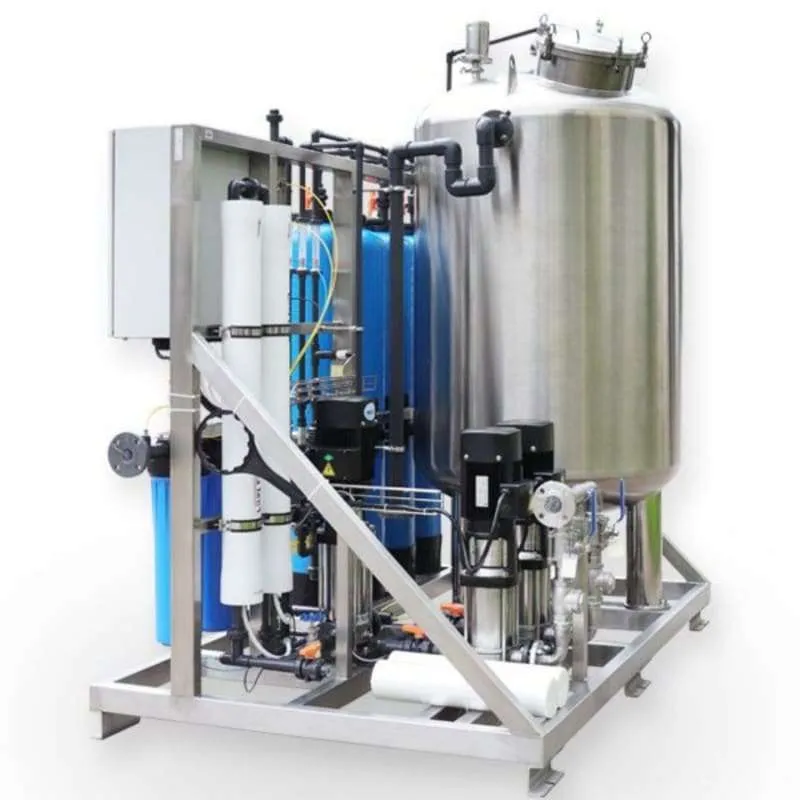
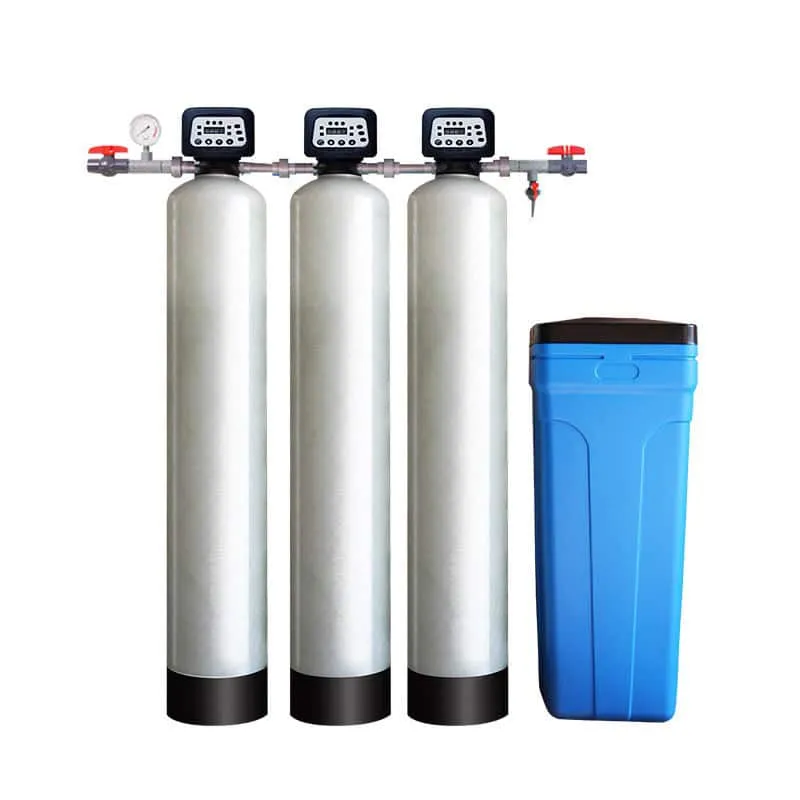
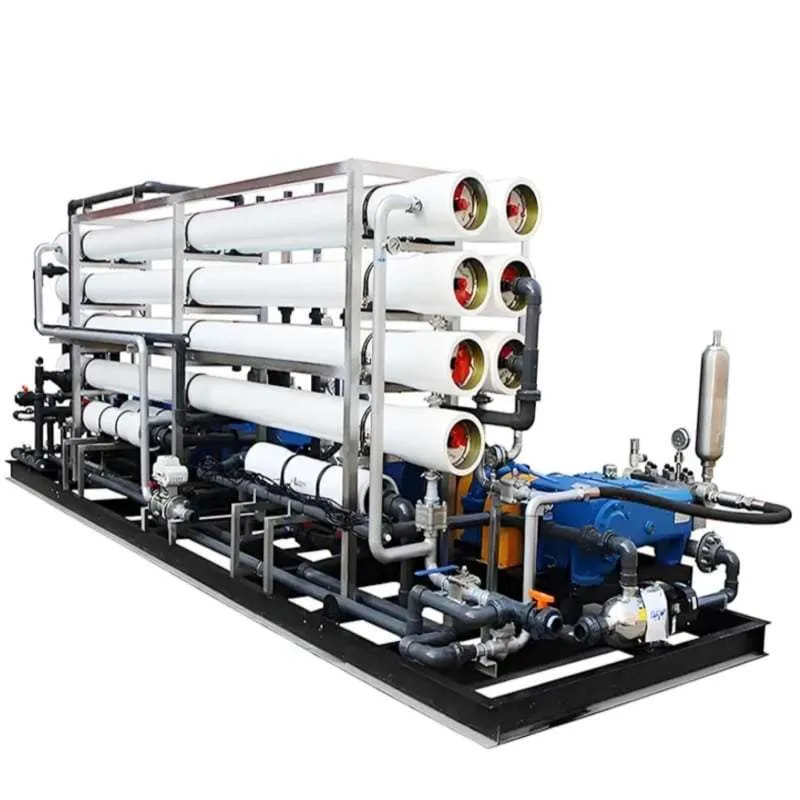
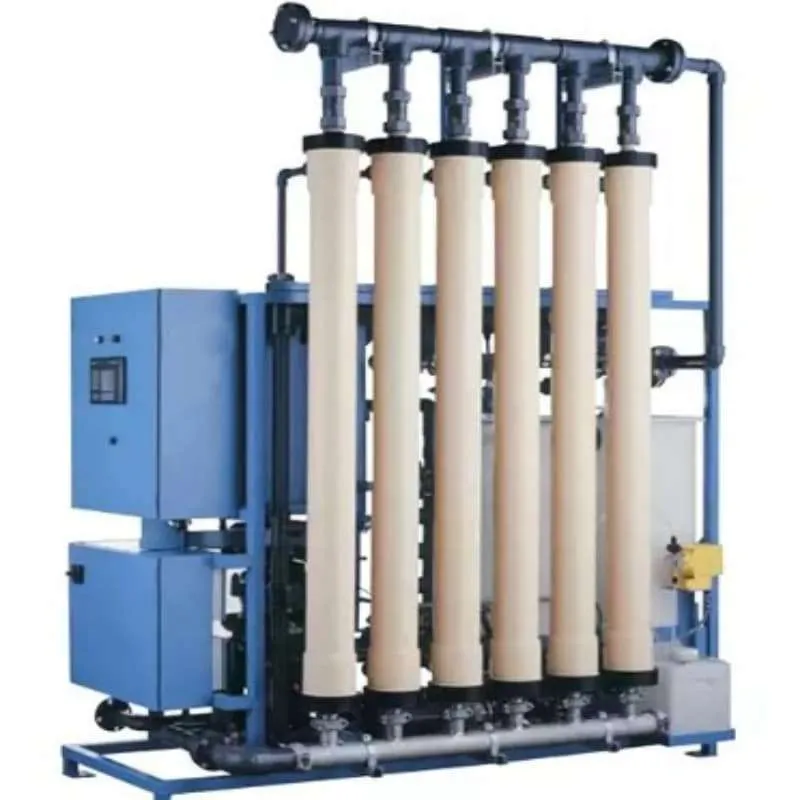
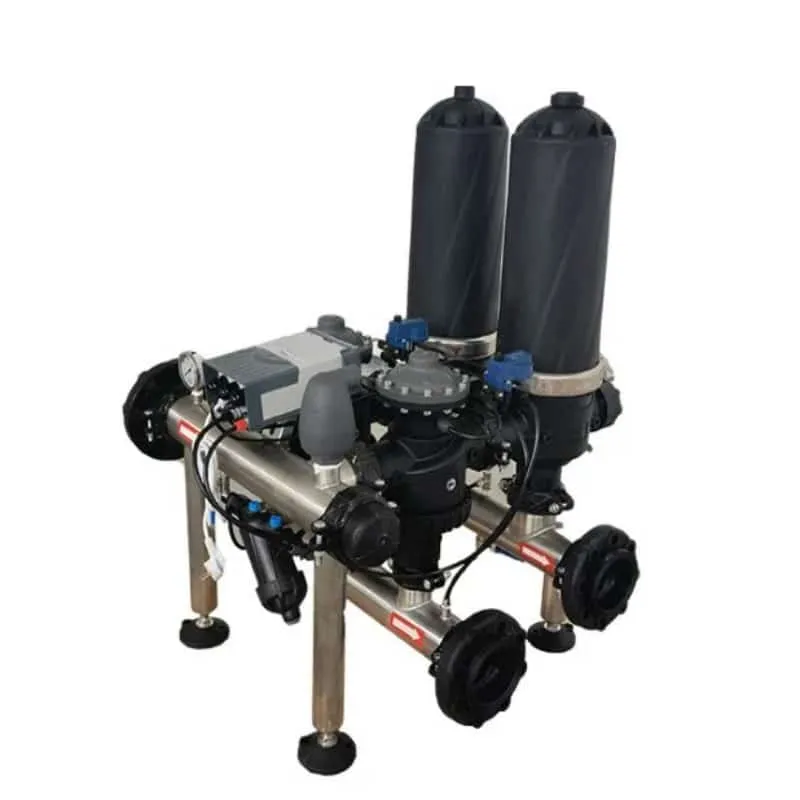
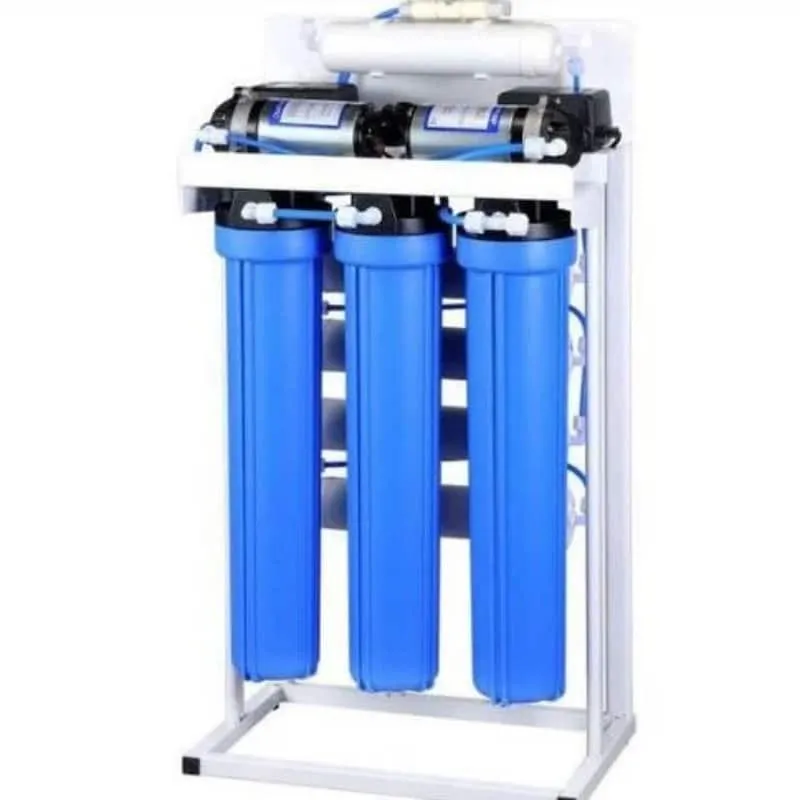
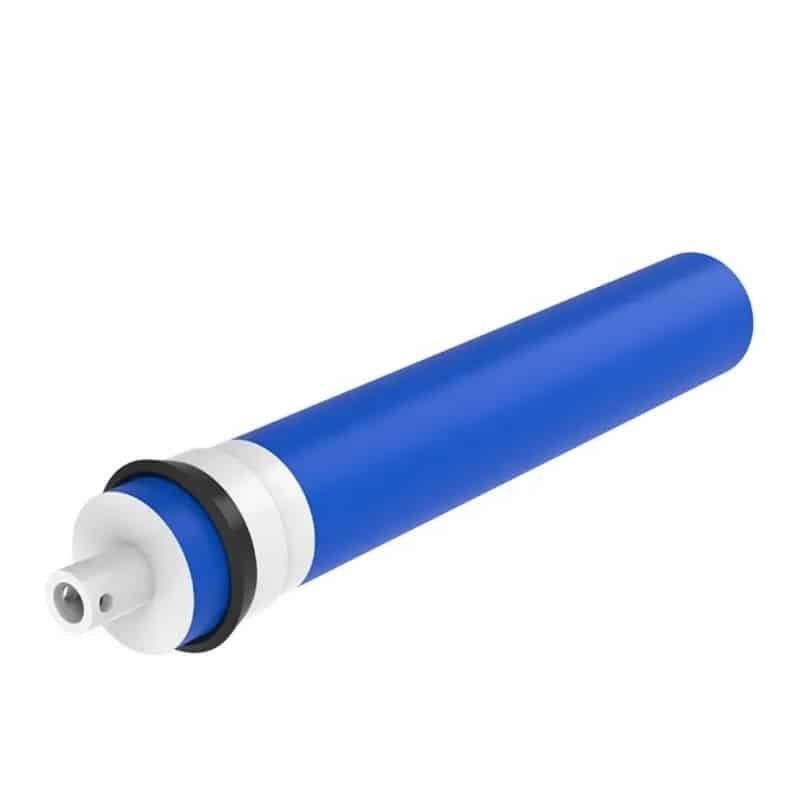
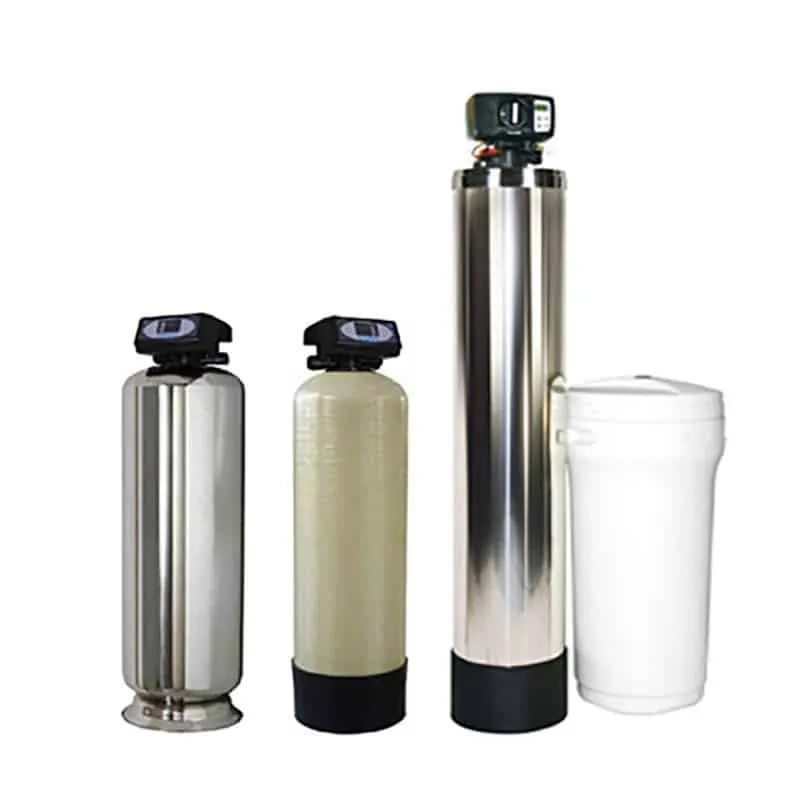
Membrane separation does most of the work to cut down the volume. Ultrafiltration goes first. It takes out suspended solids and keeps the later stages safe. Nanofiltration comes next. It softens the stream and removes larger dissolved organics. Reverse osmosis membranes then push clean water through and leave the salts behind. This step removes most of the water in your wastewater treatment system. Keeping the membranes from getting clogged is key to wastewater treatment at this stage. A membrane train that runs well makes every unit after it last longer.
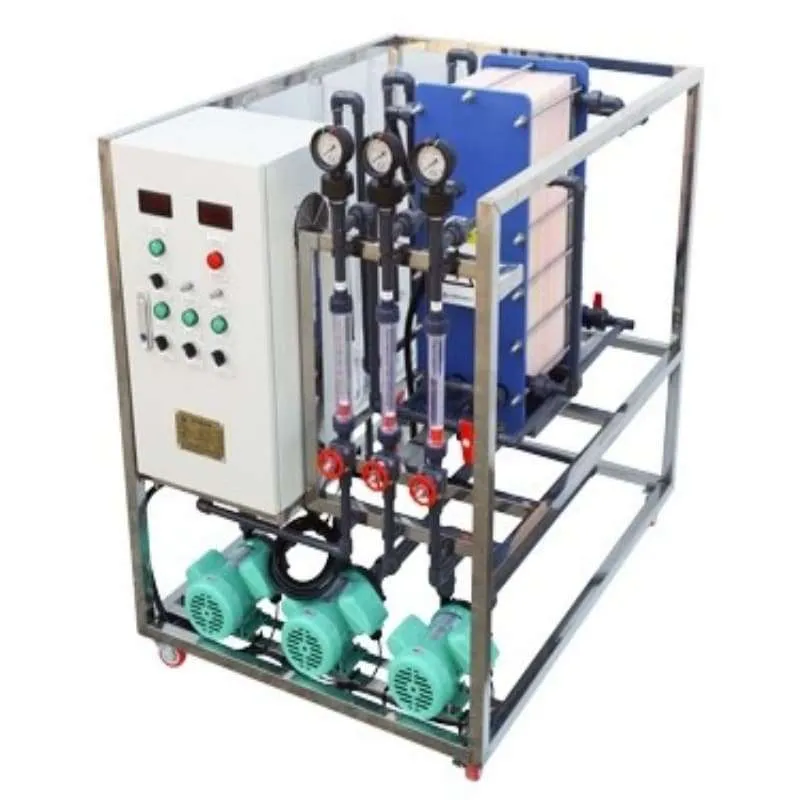
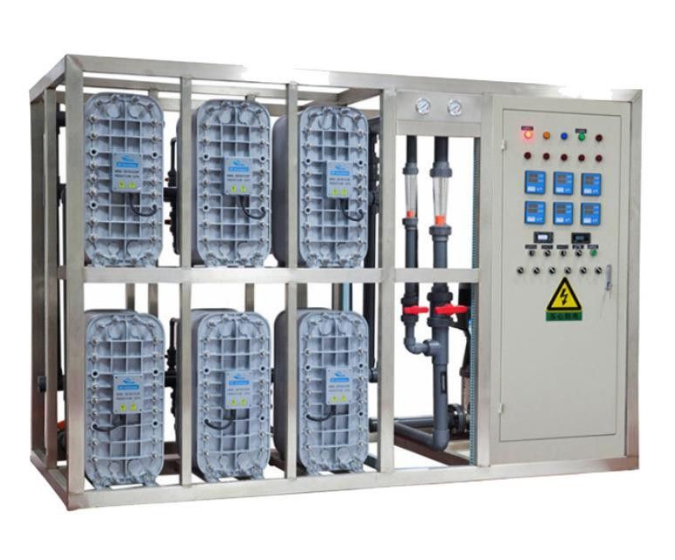
Electrodialysis and forward osmosis are options when they fit your needs. Electrodialysis works well for streams with a lot of salt and little organic matter. Forward osmosis works well when you have a cheap draw solution and a low risk of clogging. You need to test both methods on your own stream first.
How well membranes work depends on cleaning. The table below shows how much permeability these membranes get back with different cleaning routines.
Cleaning / Condition | Recovery Metric | Value |
|---|---|---|
Acid → alkaline forward flushing | Permeability recovery (vs. new membrane) | up to 87% |
Acid → alkaline flushing + pure water backwashing (TMP 0.5 MPa) | Permeability recovery | up to 97% (but rejection deteriorated) |
Optimized backwashing (TMP 0.125 MPa, CFV 0.5 m/s) | Permeability recovery | up to 96% (no rejection loss) |
After six filtration batches (fouled) | Specific flux retained | 82.5% of original |
Acid cleaning | Specific flux recovery | 85% of initial |
Subsequent alkaline cleaning | Specific flux recovery | 87.2% of new membrane |
Acid → alkaline flushing + intensive backwashing | Specific flux recovery | up to 97.8% (rejection deteriorated) |
Optimized combined flushing + backwashing | Specific flux recovery | up to 96% (rejection maintained) |

Cleaning with flushing and backwashing together, done the right way, keeps rejection strong at up to 96% recovery. Strong backwashing raises recovery but hurts salt rejection. You have to balance the two.
Evaporation and Crystallization
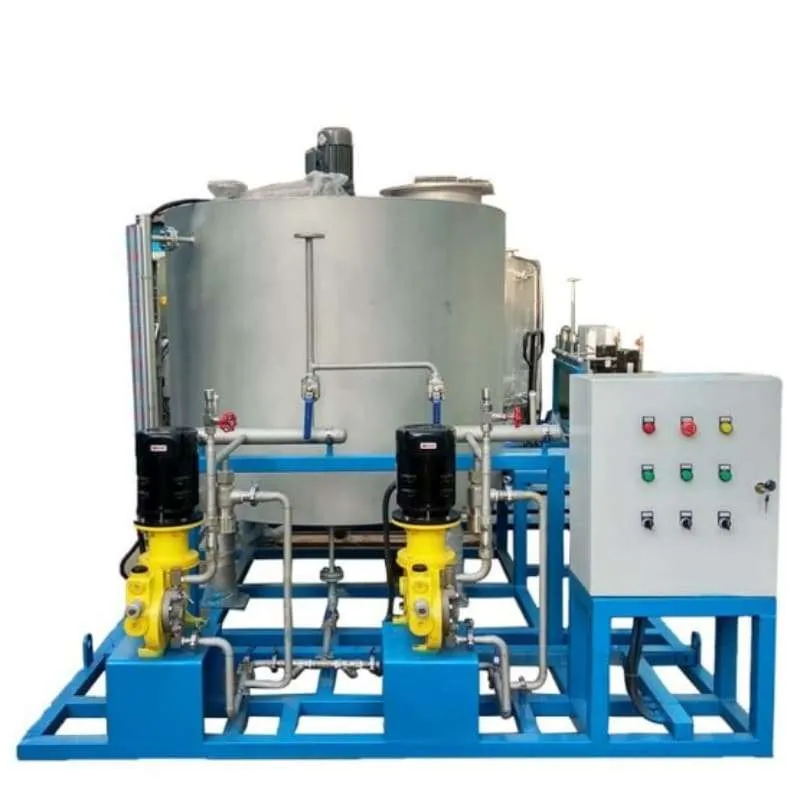
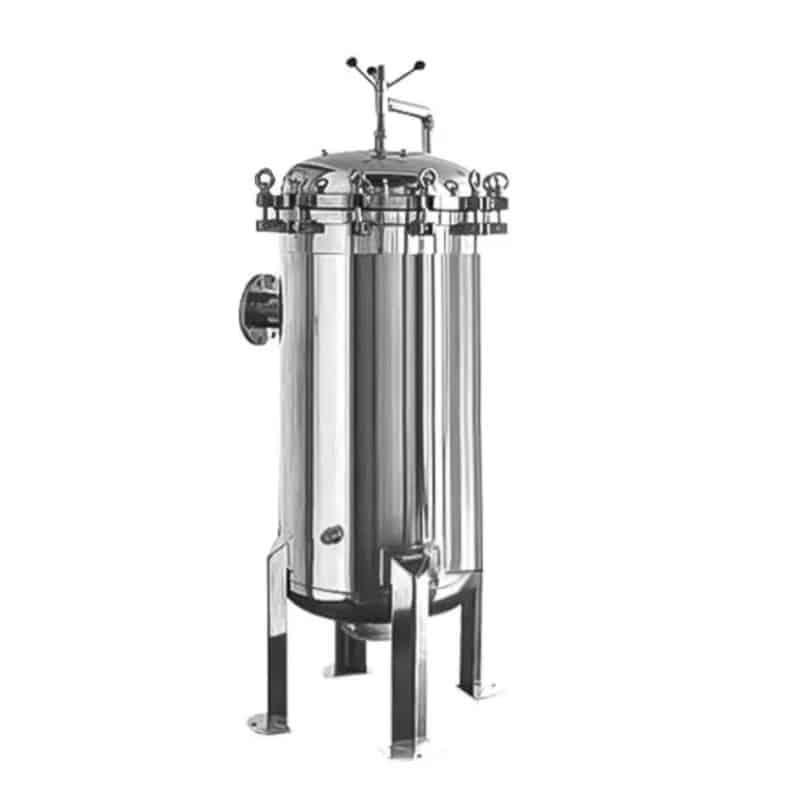
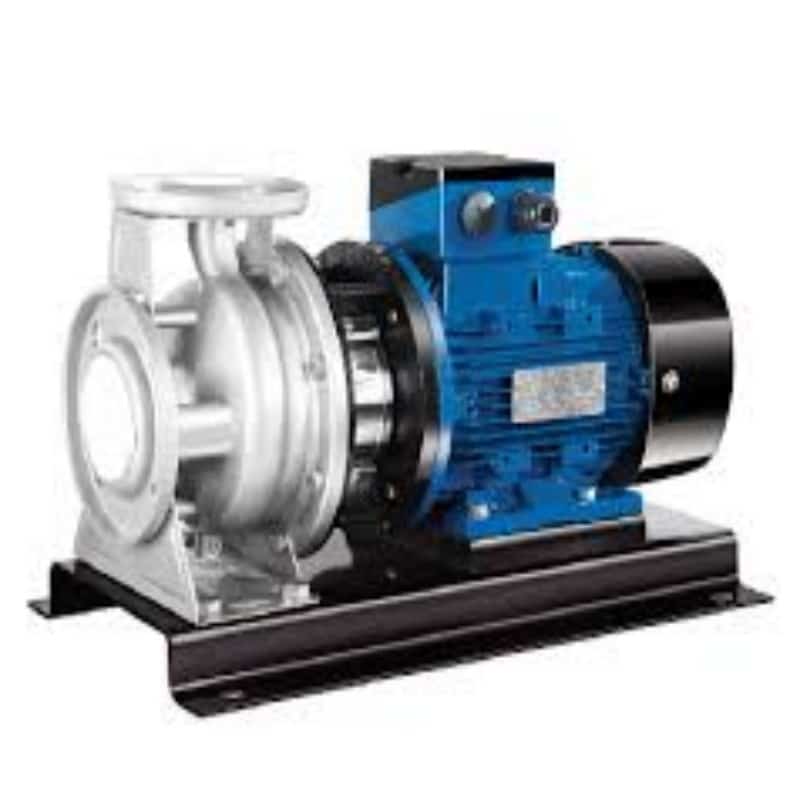
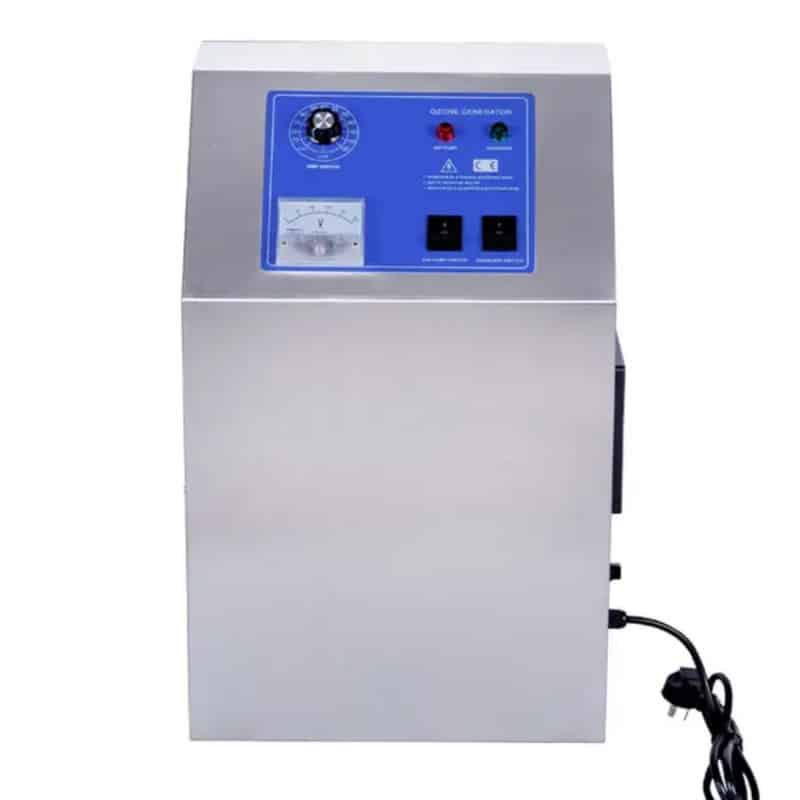
Evaporation concentration and crystallization finish the job. Multiple effect evaporators (MEE) boil off water from the RO concentrate. Agitated thin film dryers (ATFD) then dry the rest of the slurry into solid cake. Strippers remove volatile organics before the thermal stages. This mix of equipment is common in textile plants across the textile industry. Each unit adds cost, so you size them to the concentrate flow. Thermal stages use the most energy in the plant, so how concentrated the feed is matters.
Evaporation concentration and crystallization recover 95–99% of the water after UF and RO. Crystallization through MEE or MVR helps reach an overall recycling rate of 92–95%. Individual projects often go above this range.
Treatment Stage | Water Recovery Rate |
|---|---|
Evaporation + Crystallization (thermal treatment after UF/RO) | 95–99% |
Crystallization via MEE or MVR (further water reduction) | Contributes to overall recycling rate of 92–95% |
Overall water recycling rate (textile ZLD) | 92–95% (individual projects higher) |
Each technology has its own place. Membranes cut volume at low cost. Thermal stages make sure you reach final zero liquid discharge. Neither one works alone. A balanced system pairs them for steady discharge compliance and reliable operating results. Your system design should match each stage to the wastewater it gets. This approach keeps the textile industry moving toward closed-loop operation. Get a full effluent profile before you commit to any equipment.
Choosing a Zero Liquid Discharge System

Picking a zero liquid discharge system is like fitting puzzle pieces together. You must think about effluent quality, daily volume, energy needs, room to grow, and local discharge rules. If you get one of these wrong, the whole system will not work well or will cost too much.
Wastewater Quality and Capacity
Begin with a full effluent profile. You need to know average and peak flow, influent pH range, BOD and COD, TSS, TDS and conductivity, color, oil and grease, chlorides and sulfates, hardness and silica, and wastewater temperature. Add your required discharge quality and reuse target. Also note available land, power supply, sludge handling, automation needs, and future expansion plans.
The table below shows why each characteristic matters for sizing.
Characteristic | Typical nature in textile wastewater | Relevance to ZLD sizing |
|---|---|---|
COD (and BOD) | High COD from sizing chemicals, dyes, auxiliaries, detergents, finishing compounds; some organics are refractory | Drives biological and tertiary treatment upstream of RO; refractory organics foul membranes and raise reject volume to evaporation |
TDS and salinity | High TDS from dyeing salts (sodium chloride, sodium sulfate); biological processes do not remove it | Sets the need for membrane treatment; salinity and salt composition shape RO recovery and evaporator load |
pH | Variable and fluctuating | Affects pretreatment and membrane compatibility |
Color | High and persistent | Signals dye load that must come out before membranes |
Suspended solids, fibers, lint | Present | Affects ultrafiltration and RO fouling potential |
Hardness and silica | Present | Key scaling factors that constrain RO recovery and raise evaporation duty |
Oil, grease, surfactants | Present | Contribute to fouling and organic carryover |
Flow (average and peak) | Varies with production schedule | Directly scales thermal and operating requirements per cubic meter |
Each extra cubic meter you send to evaporation adds more heat and operating load. First make upstream recovery as good as it can be, then size the thermal stages.
Energy, Scalability, and Compliance
Thermal stages use the most energy, so how concentrated your feed is drives your power bill. Before you commit, check whether your site has enough power for the evaporator and crystallizer. Plan for growth: a modular design lets you add membrane capacity as production rises without rebuilding the thermal train.
Compliance should be part of your selection criteria from day one. Regulators such as MOEF&CC have drafted ZLD guidance for textile industries. Build your zero liquid discharge system to meet those norms with some extra room, and keep records of how it performs. A design that follows the rules protects your operating license and helps you keep wastewater discharge under control.
Treat the choice as a wastewater treatment solution decision, not just buying equipment. Compare vendors using pilot data from your own wastewater, not catalog claims. Run a pilot, check recovery and fouling behavior, then lock in the design.
Benefits for the Zero Liquid Discharge Textile Factory
Cost Recovery and Water Reuse
A zero liquid discharge textile factory turns waste into useful things. You get clean water back for dyeing and washing. You also get sodium sulphate back for reuse in the dyeing line. Reusing that salt means you buy less raw material, and it helps cover part of your operating costs in the same financial period. The savings are real, though they differ from plant to plant.
Water recovery gives you the biggest payback. A combined RO, MEE, and ATFD train gets back 92–96% of process water. An MLD pilot at Bangladesh textile suppliers aims for up to 80% water savings and reuse, which shows how much water reuse can deliver. Every cubic meter of textile wastewater you recycle is one you do not buy or send for wastewater treatment.
Keeping operating costs under control matters too. A typical 2,000 m³/day zero liquid discharge plant spends 25–32 million Indian rupees per year, or 180–350 Indian rupees per kilolitre treated. Smart optimization of the system cuts total operating cost by 22%, saves ₹0.63 Cr annually, and pays back in 9–14 months. Recycling recovered salt and water keeps that loop tight, and plants across the textile industry now treat salt recovery as a line item.
Cost Category | Conventional (million INR/yr) | AI-Optimized (million INR/yr) | Savings (million INR) |
|---|---|---|---|
Steam Consumption | 1.48 | 1.07 | 0.41 |
Power Consumption | 0.57 | 0.44 | 0.13 |
Chemicals & Antiscalant | 0.43 | 0.33 | 0.10 |
Membrane Replacement | 0.23 | 0.22 | ~0.01 |
Total | — | — | 0.63 (22% reduction) |

Environmental Compliance Gains
Compliance gets easier when your plant sends nothing to the drain. A zero wastewater discharge posture protects your license and takes away the risk of penalties. Regulators increasingly expect the textile industry to meet ZLD norms, and a working ZLD system keeps you ahead of that curve. You eliminate wastewater discharge entirely.
The environmental gains go beyond paperwork. You cut the volume of wastewater you make for final disposal, and you ease the load on local water bodies. A higher water recycling rate means less water taken from freshwater sources. That matters in regions where the textile industry competes for scarce supply.
Track your numbers to prove the gains. Watch recovery, salt quality, and energy per kilolitre. Reliable data backs up your compliance reports and shows where the treatment system can improve. A plant that measures its performance keeps its zero discharge of wastewater promise credible year after year.
Sustainable Growth in the Textile Industry
Process Optimization and ZLD Integration
Start at the source. You can cut the amount of wastewater before it ever reaches the treatment train. Improve dyeing recipes, reuse dye baths, and fix leaks in the washing lines. The source material suggests improving the production process to reduce wastewater and pollution. This step works as a pre-treatment volume-reduction measure before zero liquid discharge treatment. Less volume means a smaller thermal load and a lower bill.
Then fit the system into your existing lines. You do not need to rebuild the plant. Add membrane skids after your equalization tank and send the concentrate to the evaporator. An integrated ZLD system works best when it follows your production schedule. Plan the retrofit around shutdown windows and keep the old lines running during the build.
Policy and Innovation
Policy drives adoption. In 2015, the Indian government issued a draft policy requiring all textile plants producing more than 25 m³ of wastewater per day to install ZLD facilities. The National Green Tribunal has mandated ZLD for textile and dyeing industries in states such as Tamil Nadu. Governments worldwide offer subsidies, tax credits, and low-interest loans to ease the burden. Dyeing plants in Tirupur adopted ZLD as early as 2008 and recovered both water and salts for reuse.
Innovation keeps lowering the cost. New membrane materials resist fouling better, and thermal designs recover more heat. These advances make sustainable wastewater treatment more affordable for every mill.
“While the implementation of ZLD involves significant costs and challenges, the long-term benefits in terms of water conservation, resource recovery, and regulatory compliance make it a viable and necessary investment.
Zero liquid discharge comes from one combined setup: membrane separation, evaporation, and crystallization. You choose the exact setup by wastewater quality, daily capacity, and cost. That answer works for any textile mill.
The payoff is practical. You get back reusable water and salt, cut treatment costs, and meet discharge rules with confidence. Fixing problems at the source shrinks the treatment load, and helpful policy keeps pushing the textile industry toward closed loops.
Before you buy, profile your wastewater. Check flow, chemistry, scaling risk, and compliance needs. A system built on real data protects your investment. Start with the profile, and your zero liquid discharge system pays back in water savings and steady compliance. This path serves the textile industry well. Your zld journey begins here.
FAQ
What makes a zero liquid discharge system work in a textile plant?
You put membrane separation together with evaporation and crystallization. Membranes make the wastewater more concentrated, and thermal stages turn that concentrate into solid cake. Size each stage to fit your effluent profile and daily volume.
How much water can a textile factory recover?
A train that combines reverse osmosis, multiple effect evaporator, and agitated thin film dryer gets back 92–96% of process water. Thermal stages alone recover 95–99% after membrane treatment. Your exact number depends on salinity, scaling risk, and how well you run the system.
Which factors drive the cost of a treatment system?
Energy for evaporation and crystallization makes up most of the bill. Feed concentration, daily capacity, and chemical use also matter. Better upstream recovery shrinks the thermal load. Optimization of the system can cut total operating cost by 22%, per the figures above.
How do discharge rules shape system design?
Regulators such as MOEF&CC have drafted ZLD guidance for the textile industry. Build your system to meet those norms with extra room. Track recovery, salt quality, and energy per kilolitre. Reliable data backs your compliance reports and protects your license.
Where should a mill start before buying equipment?
Profile your wastewater first. Check flow, chemistry, scaling risk, and reuse targets. Run a pilot on your own stream, then lock in the design. This step protects your investment and keeps recycling rates steady.




 English
 Chinese
 German
 Russian
 Japanese
 French
 Dutch
 Italian