






You face many complex rules when your pulp and paper mills release process water. The EPA Effluent Limitations Guidelines under 40 CFR Part 430 set the national effluent rules for this industry. NPDES permits turn those federal standards into limits for your mill. State and local authorities may add even stricter rules.
Your ability to follow rules depends on answering three questions. Which water pollution rules apply to your mill? What effluent limits are in your permit? What must you monitor and report?
Water treatment standards are important here. Pulp and paper mills use about 54 cubic meters of water per metric ton of product. This heavy use makes wastewater treatment and effluent control key to your daily operations.
Key Takeaways
Look up your subpart in 40 CFR Part 430. Your NPDES permit turns those federal rules into daily discharge limits.
Follow the testing schedule in your permit. Non-TCF mills check AOX every day. They check chloroform once a week. They track chlorinated phenolics once a month.
Primary treatment removes solids. Biological treatment removes oxygen demand. Extra steps handle bleach plant color.
Turn in your discharge monitoring reports on time. Good records lower the risk of enforcement. They also build trust.
Pay attention to new PFAS rules. Get ready for stricter nutrient limits. Reuse water to lower costs. Work toward zero discharge.
Water Quality Discharge Regulations for Pulp and Paper Mills
EPA Effluent Guidelines and NPDES Permits
40 CFR Part 430 sets national effluent guidelines for pulp and paper mills. These pulp and paper effluent regulations cover twelve subparts. Each subpart carries its own standards.
Subpart | Subcategory |
|---|---|
A | Dissolving Kraft |
B | Bleached Papergrade Kraft and Soda |
C | Unbleached Kraft |
D | Dissolving Sulfite |
E | Papergrade Sulfite |
F | Semi-Chemical |
L | Tissue, Filter, Non-woven, Paperboard |
Your NPDES permit turns federal rules into limits you must follow at your pulp and paper mill effluents. Permit writers use the stricter of two approaches. Water-quality-based limits protect state water quality standards. Technology-based limits show what is currently possible. Your effluent discharge point decides which rules apply. Permit requirements differ across subparts.
Monitoring locations change based on pollutant and mill type. Bleach plant effluent needs checks for chlorinated phenolics and chloroform. Final effluent needs AOX and COD testing. These checkpoints control pulp and paper mill effluents at every stage. The D.C. Circuit affirmed these rules in 1998, forcing mills to drop the most harmful chlorine. EPA’s Voluntary Advanced Technologies Incentive Program rewards extra controls.
State and Local Discharge Requirements
Federal rules form part of your compliance picture. States with chlorine-bleaching pulp and paper mills adopted dioxin and priority pollutant rules by February 1990. EPA wrote fallback regulations for those states. State permits often impose stricter discharge requirements. These quality standards for discharge protect downstream users. They affect pulp and paper wastewater entering rivers and treatment works. This wastewater carries pollutants from bleaching operations.
Section 304(l) strategies add a layer. Drafted as NPDES permits, they target pulp and paper mill effluents endangering human health. State permits required compliance by June 1992; EPA permits by June 1993. States may fold environmental regulations into permits.
Indirect dischargers face different expectations. Mills sending pulp and paper wastewater to public works rely on writer judgment over Cluster Rule effluent guidelines. They set local water quality requirements from the industrial wastewater received. Proper wastewater treatment helps you handle pulp and paper mill effluents responsibly. Reporting completes these regulatory requirements, keeping your water quality regulations current.
Water Treatment Standards and Effluent Limits
BOD, TSS, and pH Permit Limits
Your permit sets number limits for common pollutants. These limits are different for each subcategory and facility type. The table below shows examples from 40 CFR Part 430 for mechanical pulp facilities that use the thermo-mechanical process.
Pollutant | Maximum for any 1 day | 30-day average | Non-continuous annual average |
|---|---|---|---|
BOD5 | 4.6 kg/kkg | 2.5 kg/kkg | 1.3 kg/kkg |
TSS | 8.7 kg/kkg | 4.6 kg/kkg | 2.4 kg/kkg |
pH | Within 5.0 to 9.0 at all times | — | — |
You measure biochemical oxygen demand (BOD) and total suspended solids (TSS) in kilograms per thousand kilograms of product. Your permit may show these as mass limits or concentration limits. For groundwood chemi-mechanical mills, BPT limits are tighter: BOD5 at 0.15 kg/kkg daily and TSS at 0.55 kg/kkg daily. pH must stay between 5.0 and 9.0 at all times for bleached kraft facilities that make market pulp, paperboard, coarse paper, and tissue paper. These water treatment standards protect receiving waters from oxygen loss and sediment buildup. Your wastewater treatment system must meet these discharge limits every day without fail.
Toxic Pollutants and Whole Effluent Toxicity
The EPA controls 65 toxic compounds or classes of compounds under these guidelines. Later, the agency turned this list into 126 specific priority pollutants. For Phase I facilities in Subpart B and Subpart E, controlled toxic pollutants include dioxin, furan, chloroform, chlorinated phenolic compounds, and adsorbable organic halides (AOX). Dioxin and dioxin-like compounds were the main toxic-weighted pollutant discharges. PACs, metals, and nitrates were not controlled by these effluent guidelines.
Your permit may also require whole effluent toxicity (WET) testing. WET testing is part of a combined toxics control strategy. This strategy includes chemical-specific analyses and bioassessments. NPDES permits can require WET tests using fish, invertebrates, and aquatic plants across three trophic levels. Acute WET tests measure death over short exposure periods. Short-term chronic tests check effects on survival, growth, reproduction, and sublethal endpoints. Your permit sets testing frequency and endpoints. If your effluent shows unacceptable toxicity, you may need more testing. A Toxicity Reduction Evaluation (TRE), including Toxicity Identification Evaluations (TIE), may be required to lower or remove the toxicity. States may set stricter requirements than federal minimums.
You must also monitor toxic and hazardous pollutants in plant site runoff, spillage or leaks, sludge or waste disposal, and drainage from raw material storage. These pulp and paper mill effluents carry pollutants from bleaching operations and final mill discharge. Proper monitoring helps you meet effluent quality requirements and avoid enforcement actions.
Wastewater Treatment Technologies for Compliance

Primary and Biological Treatment Systems
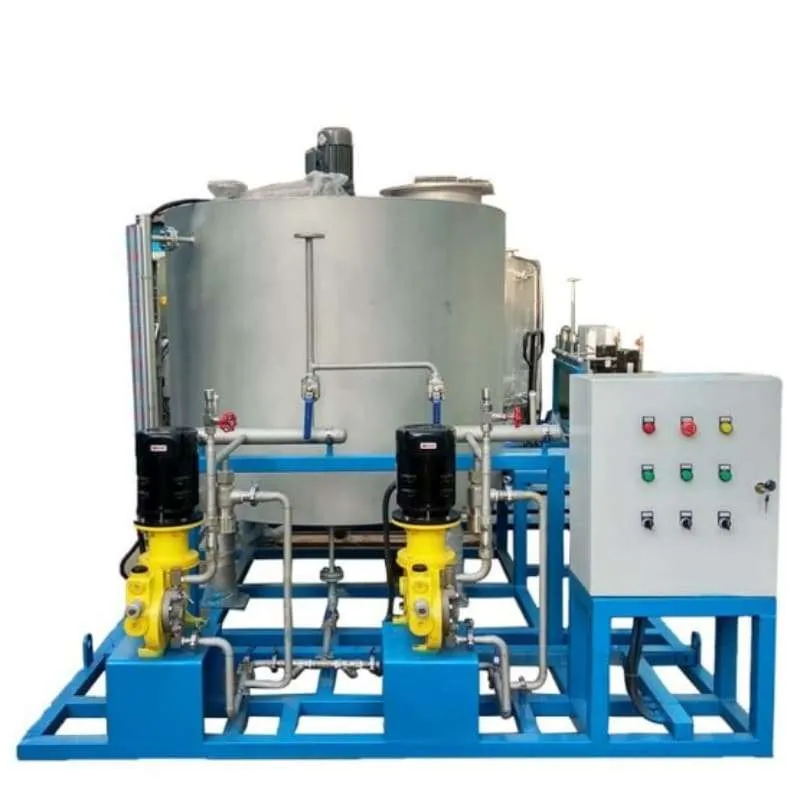
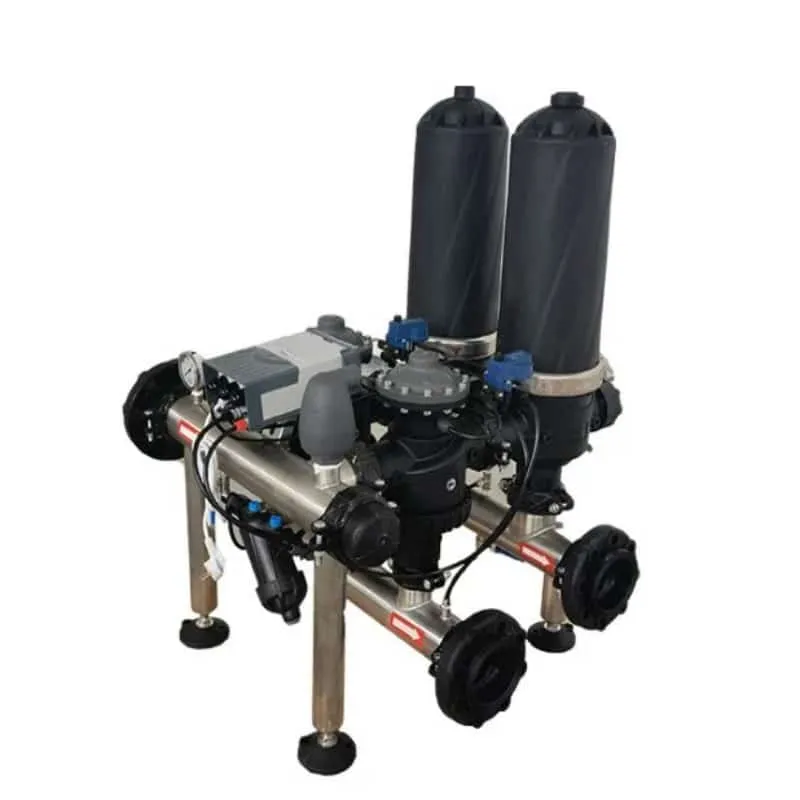
You begin with primary mechanical treatment to take out solids from pulp and paper wastewater. Screening removes large debris, fibers, and plastics. Coagulation and flocculation make tiny particles stick together. A primary clarifier then settles total suspended solids, bark, dirt, and wood fibers. Dissolved air flotation works well for light fibers, while lamella clarification uses slanted plates for tight settling. Chemical precipitation turns dissolved matter into solids that can be separated. This first step lowers the solids load on equipment downstream.
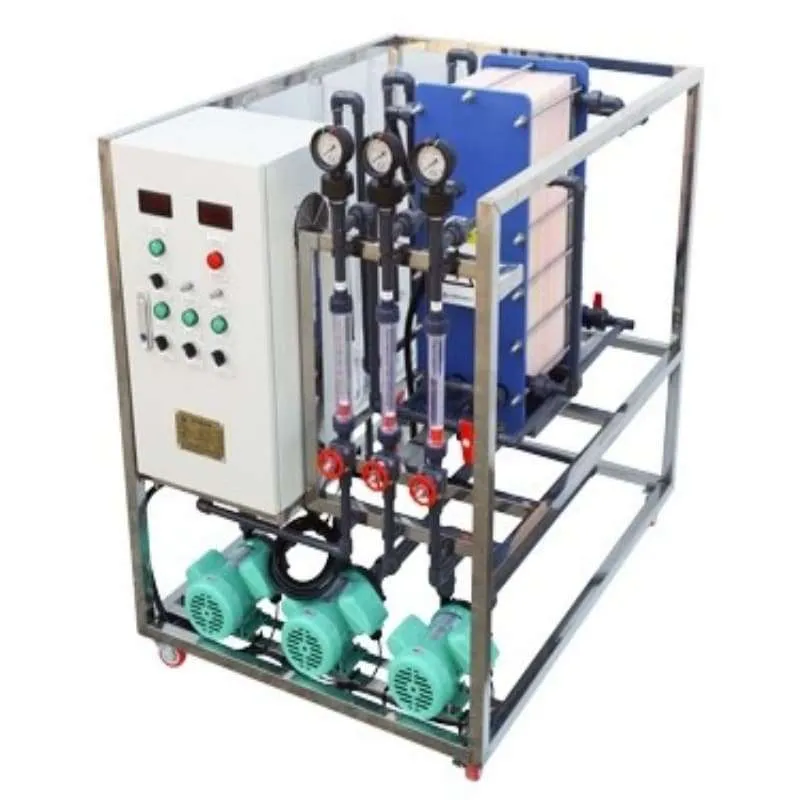
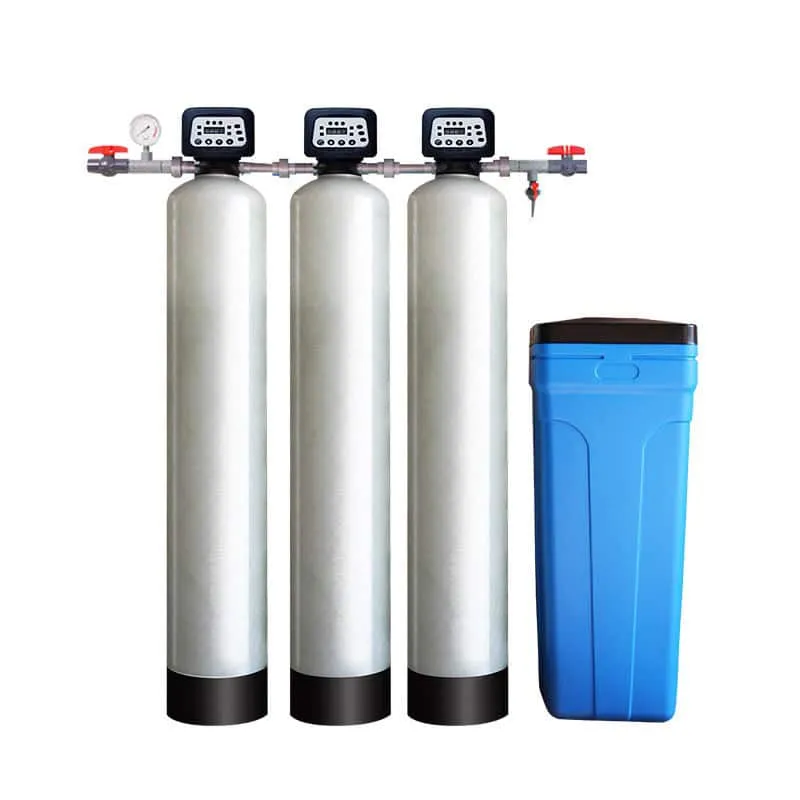
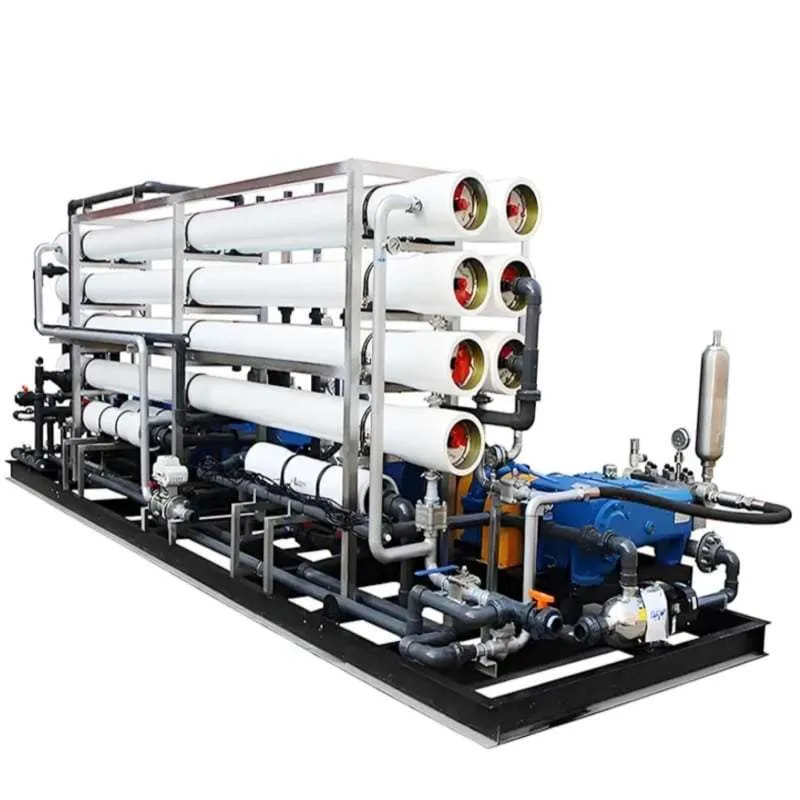
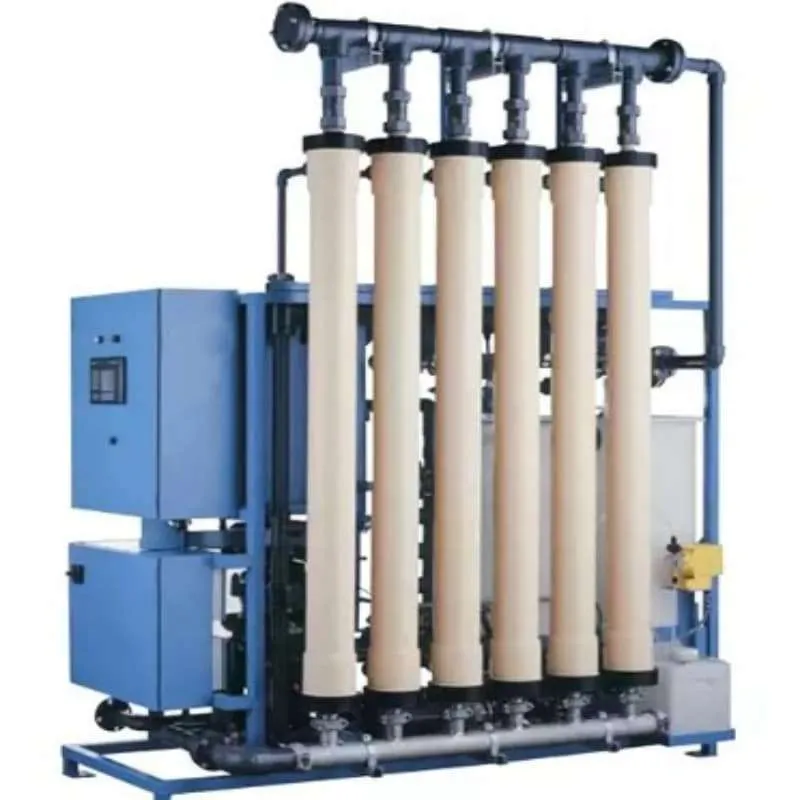
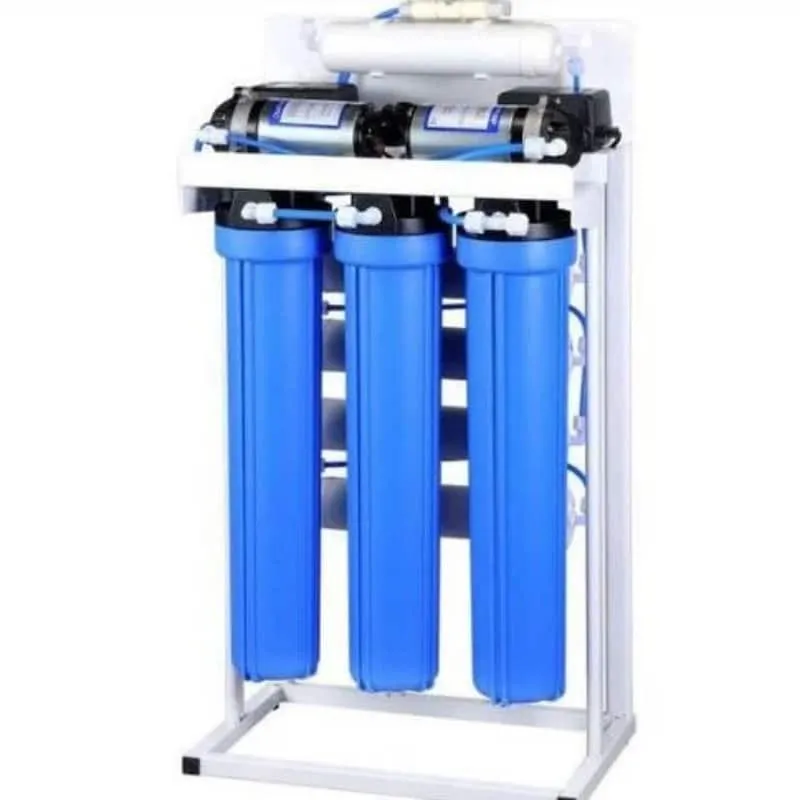
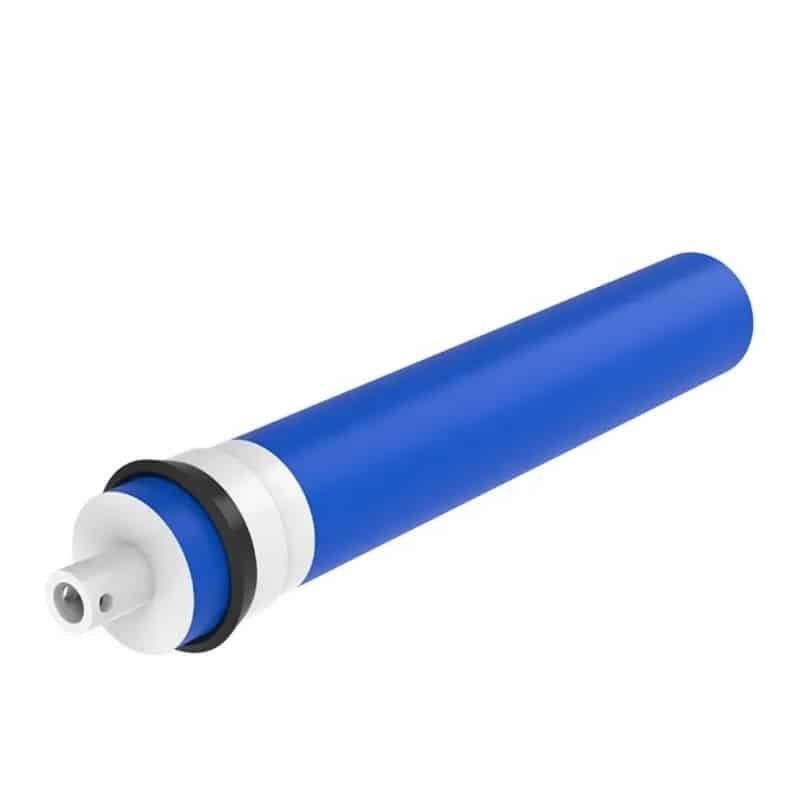
Secondary biological treatment comes next. Activated sludge and aerated lagoons are common at pulp and paper mills. Anaerobic systems like Biothane high-rate digestion remove 70 to 90 percent of COD and make biogas for boiler fuel. Moving bed biofilm reactors guard against sludge bulking and boost nutrient removal. Bleaching kraft pulp and paper mill effluents may need extra steps. Lime treatment removes 88 to 99 percent of color from caustic-stage bleach effluent. Activated carbon and reverse osmosis help with advanced water treatment for maximum reuse.
In-Process Controls and Best Management Practices
You can cut the pollutant load going into your wastewater treatment system before it gets there. Oxygen delignification lowers bleach plant chemical use. Chlorine dioxide substitution at 85 to 100 percent drops dioxin to non-detect, AOX by 80 percent, and chloroform by 90 percent. Black liquor spill prevention lowers BOD and VOC emissions. Steam stripping of foul condensates saves water and cuts TRS emissions.
Simpson Tacoma’s P2 effort reduced dioxin to non-detect levels and AOX and chloroform by 80% and 90% respectively. Water consumption savings of 2.9 mgd from reuse of evaporator condensates result in an annual savings of about $300,000.
For best management practices, swap compression packing for single mechanical seals. Put in flow meters to control seal water flow and pressure. Smart water control systems can cut water consumption by up to 97 percent compared with flow meters alone. These steps lower hydraulic loading and help you meet effluent requirements.
Monitoring, Reporting, and Enforcement Obligations
Discharge Monitoring Reports and Recordkeeping
Your NPDES permit says you must check pollutants at set times. Under 40 CFR 430.02, pulp and paper mills in Subparts B and E must track AOX, TCDD, TCDF, chloroform, and 12 chlorinated phenolic compounds. The table below shows the least often you can check for non-TCF mills.
Pollutant | Minimum Monitoring Frequency |
|---|---|
12 chlorinated phenolic pollutants | Monthly |
2,3,7,8-TCDD | Monthly |
2,3,7,8-TCDF | Monthly |
Chloroform | Weekly |
AOX | Daily |

You must check at these least frequencies for five years. After that, your permitting authority may change the rules based on your compliance history. For pollutants like BOD5 and total suspended solids, the authority sets how often you check using best professional judgment under 40 CFR 122.44(l).
Best management practices add another layer. You must take daily measurements at the influent to your wastewater treatment system under 40 CFR 430.03(i). Existing dischargers run an initial six-month monitoring program to set action levels. A lower action level triggers an investigation when exceeded. An upper action level triggers corrective action. Going over an action level is not itself a permit violation. However, failing to investigate or take corrective action is a violation. You report monitoring results, the number and dates of exceedances, and corrective actions at least once per year.
Recordkeeping matters too. You keep repair records, training records, spill reports, and BMP monitoring records for three years under 40 CFR 430.03(g). A complete copy of your current BMP Plan stays on premises. These records help you track pulp and paper mill effluents and prepare for audits.
Compliance Deadlines and Penalties
The Voluntary Advanced Technology Incentives Program sets clear deadlines. Tier I dischargers met limits by April 15, 2004. Tier II followed by April 15, 2009. Tier III by April 15, 2014. Enrolled mills submitted a Milestones Plan by October 5, 1999. These deadlines apply to pulp and paper mill effluents from participating fiber lines.
Enforcement carries real weight. EPA tracks compliance through the Compliance Data System and the Permit Compliance System. Research shows a positive link between enforcement and compliance. Pulp mills respond less to inspections. Larger firms respond more to non-inspection enforcement actions. Water permit violations often signal broader noncompliance across media.
Penalties can be severe. One case saw civil penalties sought over $25 million. A consent decree required $2.9 million per mill, totaling $5.8 million. That ranked as the third largest EPA penalty for Clean Water Act violations at the time and the largest in the Western U.S.
You protect your operation by meeting monitoring, reporting, and deadline obligations. Strong compliance management keeps your pulp and paper wastewater within limits and reduces enforcement risk.
Emerging Water Treatment Trends for the Pulp and Paper Industry

PFAS, Nutrients, and Emerging Pollutant Limits
Federal effluent guidelines still do not set national nutrient limits for pulp and paper mills. States fill that gap with their own standards and site-specific permit decisions. Wisconsin, for example, set a phosphorus discharge limit of 1 mg/L. Individual mills there often get different limits instead.
When permit writers set mill-specific limits, they use best professional judgment. They understand that cutting phosphorus too far can harm biological treatment. To avoid filamentous bulking, City Forest got a 1.8 mg/L limit. To keep healthy biomass, Domtar and Weyerhaeuser each got 1.5 mg/L. Packaging Corp got 4.01 mg/L after a phosphorus-source assessment showed that lower limits were not cost-effective. Nutrient rules for pulp and paper mill effluents now depend on site conditions, not one national number, as these cases show.

PFAS and other emerging pollutants are on a similar path. You should expect more testing requests and tighter permit conditions for pulp and paper mill effluents in the coming years.
Water Reuse and Zero-Discharge Initiatives
States are changing their rules to make water reuse easier. Maine now lets mills reuse water for cooling instead of pulling fresh water through intake structures. North Carolina tells agencies to consider reuse instead of discharging water into surface water. North Dakota sets permit terms for reuse in irrigation and other non-potable uses.
State | Water Reuse Regulatory Approach |
|---|---|
Maine | Rules for cooling water intake structures allow reuse for cooling instead of freshwater intakes, under Maine Pollutant Discharge Elimination System permits. |
North Carolina | Statute directs agencies to consider water reuse as an alternative to surface water discharge; reclaimed water may serve irrigation, dust control, cooling, and other industrial uses. |
North Dakota | Water Commission defines permitting terms for wastewater reuse; current scope is irrigation and non-potable purposes. |
Zero liquid discharge now works at full scale. Oji Paper in China runs the largest ZLD project in the paper pulp industry. It treats 40,000 m³/day of papermaking and pulp wastewater. It uses an ozone-coupled biofilter, ultrafiltration and reverse osmosis membranes, electrodialysis concentration, and MVR evaporation crystallization. The system has operated stably for more than three years. It recycles water, supplies clean water to a power plant, and sells waste salt as snowmelt agent and chemical raw material.
The CircleToZero approach works the same way. Mills reuse purified filtrates and condensates, extract sulfate from sulfate-rich streams, and clean raw methanol and crude sulfate turpentine for new revenue. These steps lower fresh water use and move pulp and paper mills toward zero discharge.
Find your subpart under 40 CFR Part 430. Get NPDES coverage. Meet your effluent limits. Run a wastewater treatment system you can trust. Turn in discharge monitoring reports on time. This plan keeps pulp and paper mill effluents under control for pulp and paper mills. Check pulp and paper mill effluents every day. Keep track of your effluent.
Managing compliance ahead of time lowers enforcement risk. You gain flexibility. Your wastewater records build trust. Watch wastewater flows. Keep pulp and paper mill effluents inside your permit.
Watch new water treatment standards. PFAS and nutrient limits will change permits. Make your water treatment better. Protect pulp and paper mills. Reuse water to cut wastewater. Keep pulp and paper mill effluents safe.
FAQ
Which effluent guidelines apply to your mill?
You need to find your subpart under 40 CFR Part 430. The rule covers twelve subcategories, from dissolving kraft to tissue and paperboard. Your NPDES permit then turns those federal standards into limits for your own discharge point.
How often must you monitor AOX and chloroform?
For non-TCF mills in Subparts B and E, you check AOX every day and chloroform every week. You test the 12 chlorinated phenolic pollutants, TCDD, and TCDF each month. You keep this schedule for five years.
What happens if you exceed a BMP action level?
Going over a limit by itself is not a permit violation. But you must investigate when you pass the lower action level. You must take corrective action when you pass the upper level. Failing to act is a violation.
Can you send pulp and paper wastewater to a public treatment works?
Yes. Indirect dischargers depend on local water quality rules set from the industrial wastewater received. Your public works authority uses writer judgment over Cluster Rule effluent guidelines to set those local limits.
What treatment do bleaching kraft effluents need?
Primary mechanical treatment and secondary biological treatment form the normal path. Bleaching kraft effluents may need extra steps. Lime treatment removes most color from caustic-stage bleach effluent. Activated carbon and reverse osmosis help reach advanced reuse goals.








 English
 Chinese
 German
 Russian
 Japanese
 French
 Dutch
 Italian