

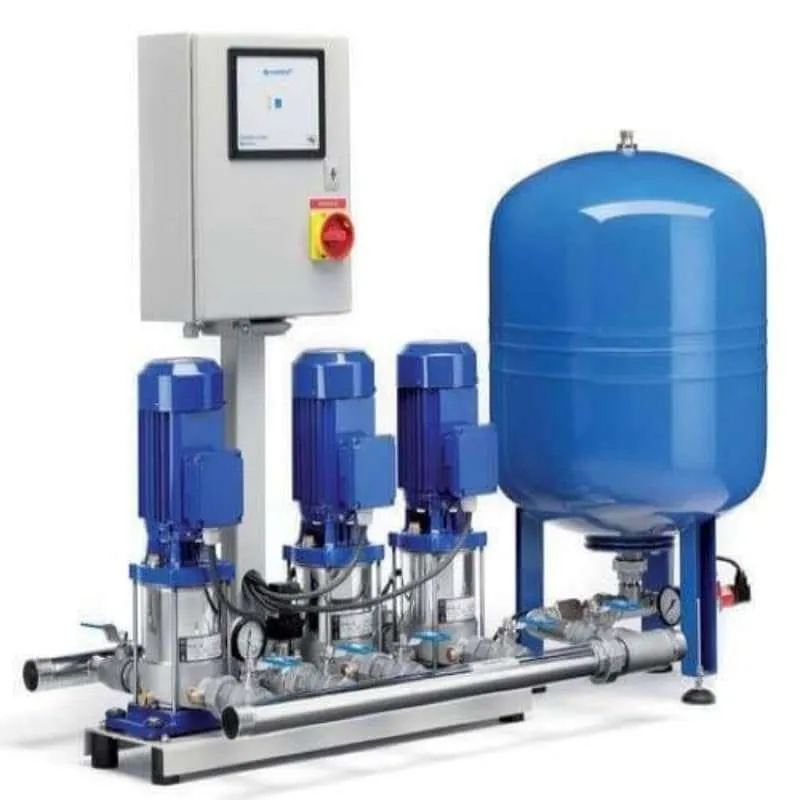





Equipment choices in a sewage treatment system follow one rule: define the design flow, the total dynamic head, and the solids characteristics first. Then match pumps and sludge dewatering equipment to those conditions. Heavy plants raise the stakes. Abrasive and aggressive media wear parts fast, duty runs continuously, and downtime carries a high cost. So sizing, materials, and redundancy deserve close attention. This guide walks through the work in order: establish the duty point, run pump selection for municipal wastewater duties, cover submersible pump and dewatering pumps applications, choose the presses, integrate controls, and brief vendors. Each step builds on the data from the one before it.
Key Takeaways
Start by defining the design flow, total dynamic head, and solids characteristics.
Choose pumps and sludge dewatering equipment that fit those conditions.
Pick the right kind of pump for each job, like a submersible or progressive cavity pump.
Combine controls and backup capacity to protect the treatment train.
Compare vendor proposals using a weighted scorecard so the decision is fair.
Duty Point and Media in a Sewage Treatment System
Flow, Head, and Force Main
Picking the right equipment starts with the real duty point. That means the flow you need, the total dynamic head, and the force-main features, plus runtime and duty cycle. Triple D Pump splits total dynamic head into three parts: static head, friction loss, and pressure head. Static head is the vertical lift from the wet-well pumping level to the discharge point. Friction loss covers pipe, valves, and fittings. Pressure head applies when the station discharges into a pressurized main. The same source converts pressure to head at about 2.31 feet per PSI.
Force-main design sets friction. Shinjo Pump cites the 2014 Ten States standards for a cleansing velocity minimum of 0.6 m/s and a recommended maximum of 2.4 m/s. Pipe roughness matters too. Shinjo Pump shows that at a fixed flow, total dynamic head falls from 34.3 m at a Hazen-Williams C of 100 to 24.3 m at C of 140, because only friction changes. The chart below, from Shinjo Pump, compares friction loss and total dynamic head across three C values.

Flow sizing follows population. Shinjo Pump uses the Fair and Geyer peaking factor to set peak hourly flow. Then it sizes duty pumps so one unit carries peak flow while the other is out of service.
Sludge and Solids Characteristics
Media data drives pump selection as much as flow does. Each stream needs its own data sheet, because sewage, sludge, and dewatering streams differ in design and application. Sterling Analytical lists the tests that characterize sludge: total solids and volatile solids, settleability and sludge volume index, capillary suction time, specific resistance to filtration, and residue and abrasive content analysis. Chemical resistance testing to ASTM D543 and metal corrosion checks complete the picture.
Record solids size and abrasiveness, corrosivity, temperature, and sump depth on that sheet. These values decide impeller style, wetted materials, and seal arrangement for any sludge pump in municipal wastewater service. A stream that looks similar to another often acts very differently once solids concentrate.
Submersible Pump Selection and Wastewater Pump Selection

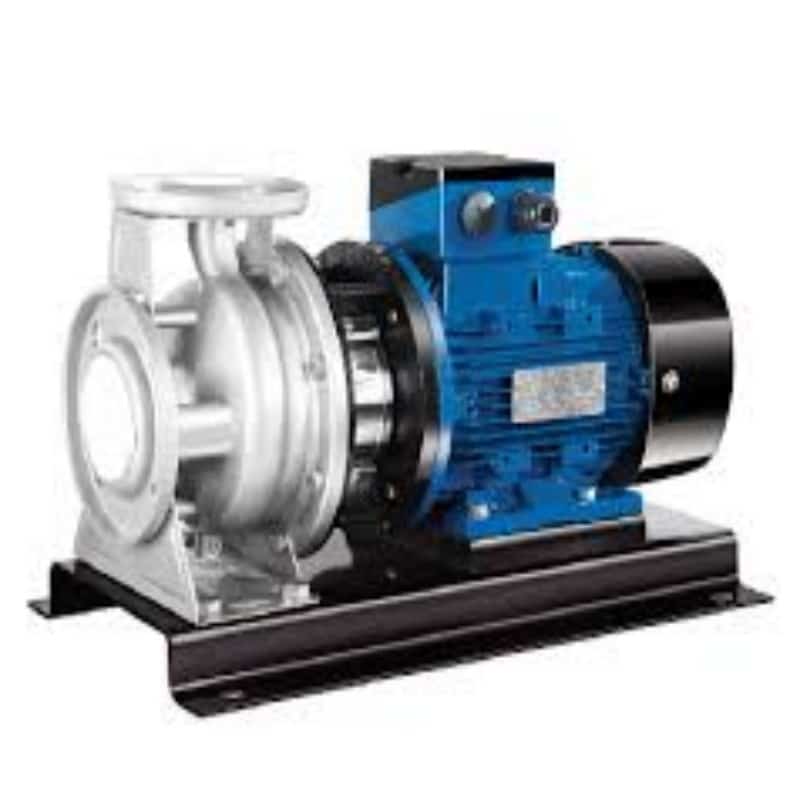
Wastewater pump selection starts by comparing the main pump families. Zoeller sums up where each one fits best.
Pump Type | Comparative Advantages | Typical Applications |
|---|---|---|
Centrifugal | Works well at high flow; handles moderate solids | Main lift stations, influent pumping, sludge recirculation, dewatering |
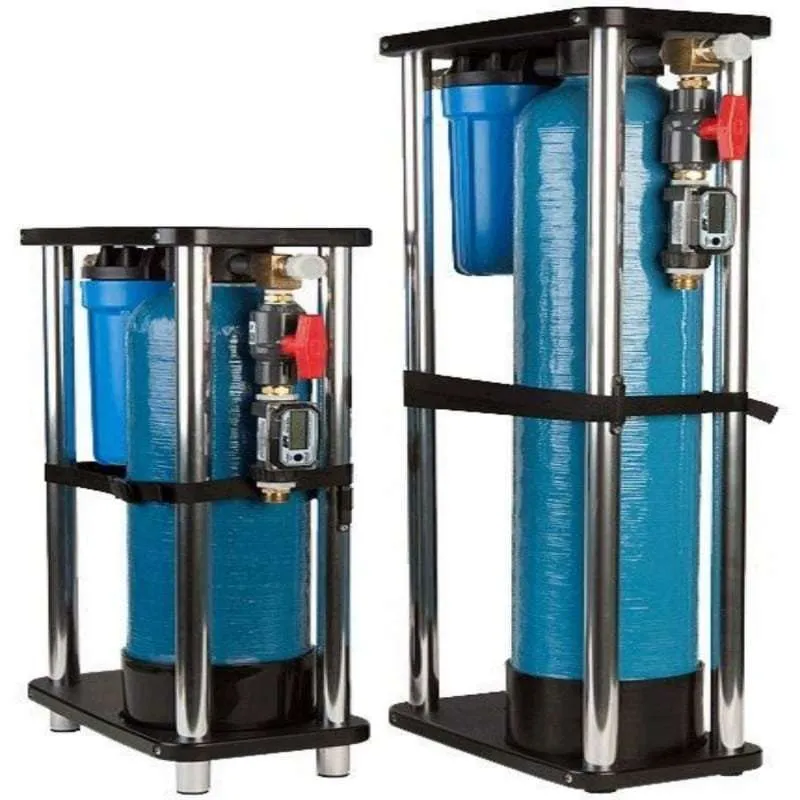
Submersible | Runs underwater; handles solids; quiet; small footprint | Lift stations, flood-prone areas, compact commercial systems |
Chopper | Cuts fibrous and organic solids; stops clogs | Food processing waste, textile fibers, abrasive slurries |
Diaphragm | Works with chemicals; can run dry | Hazardous industrial wastewater transfer |
Progressive cavity | Steady flow under changing pressure for thick media | Sludge transfer and dewatering |
Positive displacement | Moves thick, sticky material where centrifugal force is not enough | Thick sludge duties |
Submersible Pump Selection for Municipal Wastewater
Submersible pump selection for municipal wastewater starts at the duty point. The unit must deliver the required flow against the real total dynamic head. That head covers static lift, force-main length, pipe diameter, valves, and friction losses. Daepumps advises planning for minimum, average, and peak inflow instead of one perfect operating point. The solids profile then decides the style. Raw sewage with rags and wipes favors non-clog or vortex handling. Grit-heavy influent calls for wear-resistant construction. Thick biosolids may need a submersible slurry or sludge pump or a positive-displacement option. A submersible pump suits raw sewage and rag-heavy lift stations. A heavier submersible slurry pump serves grit, sediment, or high-solids duty. Service access matters too. Zoeller notes that a submersible pump must come out of the wet well for seal or bearing work, so guide rails and lifting gear belong in the plan.
Impellers, Materials, and Motor Protection
A centrifugal pump spins a rotary impeller inside a stationary volute. Impeller style matches the solids load. Vortex impellers sit recessed from the flow path, so debris passes with little contact. This suits fibrous or unpredictable waste at some efficiency cost. Cutter and chopper impellers shred debris on entry, a fit for heavy solids, wipes, or stringy material. Non-clog channel impellers pass solids intact and deliver the best efficiency when influent is predictable. Crane Pumps puts vortex efficiency near 40 percent, against 40 to 80 percent for mono-vane and dual-vane designs. A municipal lift station in a residential area may run best with a single-vane impeller. An industrial site may do best with a cutter impeller, and a screened effluent station with a two-vane unit.
Materials follow the media. Cast iron serves general municipal wastewater. Grit, sand, and sludge call for hardened or high-chrome wear parts, and corrosive influent needs stainless or coated construction. Seal choice follows contamination. Fine abrasives score faces, so hard face material and clean flush help. Fibers clog and overheat, which points back to impeller review. Continuous submerged duty demands seal-leak sensors, thermal protection, and overload sensing. Yeschamp warns that repeated overload trips can stem from an obstructed impeller, excessive solids, low voltage, or wrong protection settings. Resetting without diagnosis can damage the motor.
Grinders offer one more layer. Where rag and debris loading runs high, a grinder upstream reduces solids before they reach the pump. Crane Pumps lists grinder units at 2 to 15 HP with flows of 110 to 155 GPM. This fits high-head duty with aggressive solids reduction.
Dewatering Pumps in STPs and Dewatering Equipment

Belt Press, Centrifuge, and Screw Press
The three main presses differ in how dry the cake gets, how much they can process, how much space they take, chemical conditioning, and running cost. Morvolous compares them across sludge types. On municipal biological sludge, centrifuges usually make the driest cake. The gap between centrifuge and screw press on pre-thickened WAS is often 2–4 percentage points. Belt presses on fine municipal WAS are the most cautious case, at 15–20% TS. Morvolous also shows screw presses use less polymer because the low-shear mechanism keeps floc bonds together, while centrifugal shear tears them apart. Energy tells a similar story: screw presses draw 20–50 kWh/t DS, belt presses 35–80, and centrifuges 65–130. The chart below, from Morvolous, compares cake dryness across six sludge types.

Footprint favors the centrifuge, while the screw press wins on low wash water and simple maintenance. Morvolous notes a Northern Vietnam municipal plant where belt presses were pre-designed at a 20% TS guarantee but pilot testing returned 15–17% TS. Screw presses have run at 20–22% TS since commissioning, with about a third less polymer.
Feed Pump Requirements by Dewatering Type
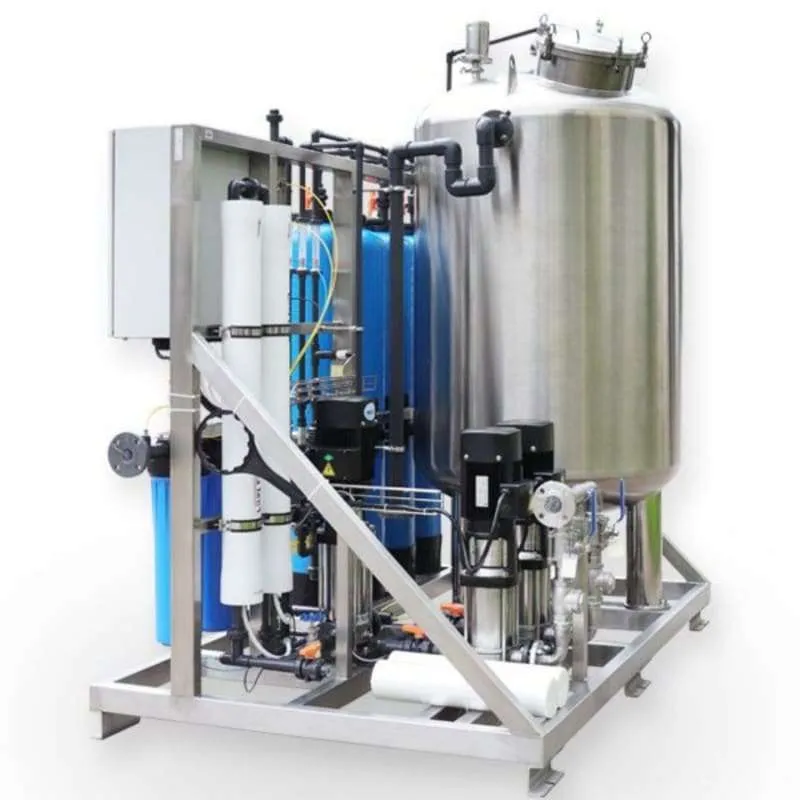
Dewatering pumps in STPs should be picked around sludge consistency, solids size, sump depth, head, flow, and runtime. The Flow Chem Pumps advises sizing for peak load, not average flow, and confirming solids passage and impeller type. A submersible pump with large solids passage suits septage receiving. Thicker sludge calls for a submersible slurry or sludge pump, or a progressing-cavity unit. Filtrate and centrate return lines need a solids-handling dewatering pump built for continuous abrasive flow.
Feed duty itself demands care. Koleburg Pumps calls positive displacement pumps, particularly progressive cavity types, the industry standard for dewatering feed. Their slow-speed, low-shear operation moves sludge in non-pulsating laminar flow and keeps floc structure intact. Centrifuges and belt presses need steady flow at moderate pressures, roughly 50–100 psi per Koleburg Pumps, and both are highly sensitive to floc shear. Screw presses accept a wider feed profile at lower pressure, typically 10–30 psi. Acca Pumps notes that belt press feed must coordinate with polymer dosage and belt speed, while screw press feed stays continuous with conditioning and throughput. Pulsation causes real damage: filter cloth blinding, centrifuge bowl imbalance, and inconsistent cake dryness. A dewatering sludge pump that pulses will undermine any press, so pump selection for this duty favors pulseless designs. Every sludge dewatering pump on feed service should match the press it serves, not the other way around.
Integrating Pumps and Dewatering in the Sewage Treatment System
Controls, Standby, and Redundancy
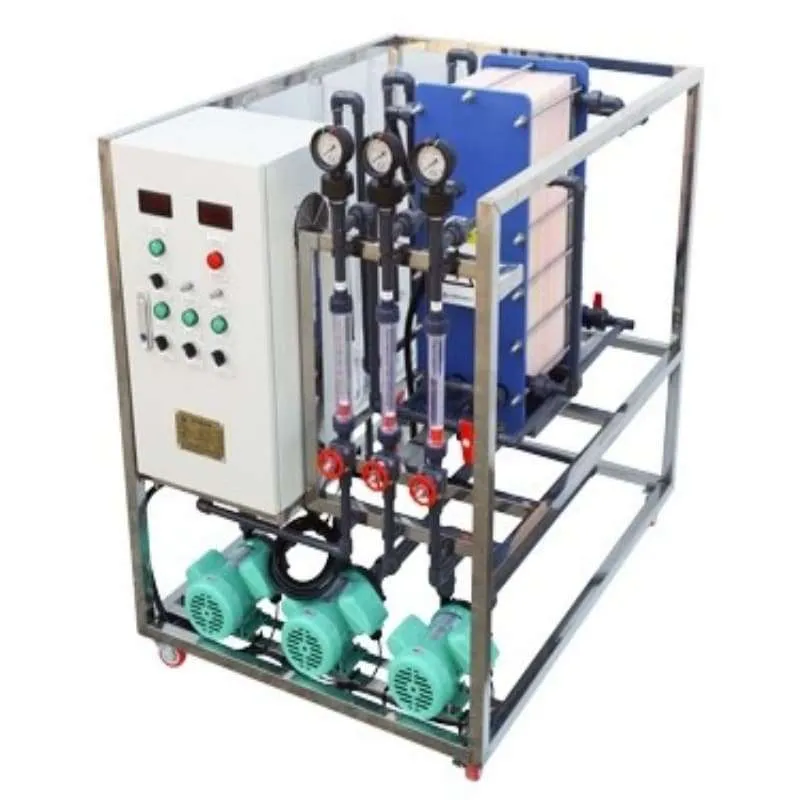
Controls connect the feed pumps to the presses. Level control turns the duty pump on and off. Flow control keeps the feed rate the press needs. Interlocks stop the feed pump when the press stops, so wet sludge does not flood a stopped unit. Operators also check pressure, flow, and motor condition on every run. This watching catches a clogged line or a bad seal before it causes a shutdown.
Standby capacity protects continuous duty. Dewateringpumps.com describes N+1 redundancy as one extra pump beyond peak demand, fully piped and set to auto-start. The steps below show how a plant sets up that arrangement.
Size N as the pumps needed to pass design peak flow at the expected total dynamic head.
Add one pump of the same capacity, staged and ready.
Pipe the standby unit into the suction and discharge manifold.
Set controls so the standby starts on level rise, pressure drop, or pump fault.
Test the switchover under controlled conditions before you trust it overnight.
Nexgen Environmental recommends a safety margin of 1.5–2.0 times expected peak flow and standby capacity of 50–100 percent of peak flow. Using the same pump models makes parts, panels, and training simpler. Mixed models can cause unstable parallel operation when their curves do not match.
Maintenance Access and Spare Parts
Planning for access cuts downtime. Guide rails and lifting gear let crews raise a submersible pump for seal or bearing work. The EPA advises plants to review equipment, list likely failures, and stock the small parts that fix them. Large parts such as pump motors usually stay out of stock, so small spares must sit on site for fast installation.
A good parts plan follows eWorkorders guidance. Crews group parts by equipment type, set minimum and maximum levels, and keep accurate usage records. Preventive maintenance reviews spot replacement parts ahead of time. The EPA adds that a work order should record every repair, even emergency work, so history shows whether preventive maintenance could have avoided the failure. This integration guide for wastewater plants treats stp pump integration as a planning task, not a parts order. Good dewatering pump integration covers sludge feed, controls, and spares together. A dewatering system built this way keeps municipal wastewater moving through every shift.
Vendor Information for Equipment Recommendations
Process Data and Site Constraints
A clear data sheet gives every vendor the same starting point. The sheet lists the duty point: design flow, total dynamic head, and the force-main details. It records media characteristics for each stream, including sludge consistency, solids size, abrasiveness, corrosivity, and temperature. Runtime and duty cycle belong on the sheet as well. Sludge sampling or bench-test results complete the package, because they show how the sludge really acts under pressure. A vendor who quotes without this data is guessing, and those guesses often lead to the wrong pump capacity.
Site constraints shape the equipment list just as much. The sheet notes footprint, sump depth, available head, power supply, and access for maintenance. A deep wet well changes the submersible pump and lifting setup. A tight press room may rule out a large centrifuge. Power supply limits motor size and starting method. Maintenance access decides whether crews can pull a unit without a crane. Write down each constraint once, and every proposal answers the same questions.
Performance, Compliance, and Life-Cycle Cost
Compare proposals with one scorecard, not a pile of brochures. Technologymatch.com suggests weighting technical fit at 30 percent, total cost of ownership at 25 percent, security and compliance at 15 percent, support and SLA terms at 15 percent, and vendor credibility at 15 percent. The pie chart below, from Technologymatch.com, shows that split.

Score each vendor from 0 to 10 on every criterion, then multiply by the weight. Technologymatch.com advises normalizing costs to the same currency and terms before scoring. Recurring costs, one-time costs, and milestone definitions must align. For dewatering pumps and presses, technical fit covers flow, head, and solids handling. Compliance covers certifications and discharge limits. Life-cycle cost covers energy, polymer, parts, and maintenance over the full service life. Apply the same weights to every option, and the comparison stays fair across the whole sewage treatment system.
Selection follows a clear order. First, define the duty point and media. Next, match pumps and sludge dewatering equipment to those conditions. Then connect everything with controls and redundancy.
Teams should take three concrete steps next. Put together the process data sheet. Confirm sludge characteristics through sampling or bench tests. Ask for vendor proposals scored against identical criteria. Specify dewatering pumps and the submersible pump against the same duty point. Check how each option handles municipal wastewater solids.
After commissioning, review actual performance and adjust setpoints as real loads emerge. Sludge and flow rarely match the design sheet exactly. Tuning keeps the dewatering train efficient.
FAQ
What data does pump selection need first?
Selection starts with the duty point: design flow, total dynamic head, and force-main details. Each stream also needs its own media data sheet. This sheet covers sludge consistency, solids size, abrasiveness, corrosivity, and temperature. A submersible pump chosen without this data may miss the real operating range.
Which pump type feeds a belt press or centrifuge?
Progressive cavity pumps are the industry standard for dewatering feed. Their slow-speed, low-shear action moves sludge in non-pulsating laminar flow and protects floc structure. Belt presses and centrifuges need steady flow at moderate pressure. Pulsation causes cloth blinding and bowl imbalance.
How does a screw press compare with a centrifuge?
A screw press uses less polymer because low-shear operation preserves floc bonds. It also draws less energy and needs no wash water. A centrifuge typically produces drier cake and takes less floor space. Each unit fits a different sludge and budget.
What interlocks and standby features protect the train?
An interlock stops the feed pump when the press stops. This way, wet sludge cannot flood a stopped unit. Operators also watch pressure, flow, and motor condition on every run. For standby, plants add one identical pump beyond peak demand. It is piped in and set to auto-start on fault.
How should a plant compare vendor proposals?
Score every proposal on one weighted scorecard: technical fit, total cost of ownership, compliance, support terms, and vendor credibility. Normalize costs to the same currency and terms first. Apply identical weights to each option. Then the comparison stays fair across sludge pumps and sludge dewatering equipment.








 English
 Chinese
 German
 Russian
 Japanese
 French
 Dutch
 Italian