

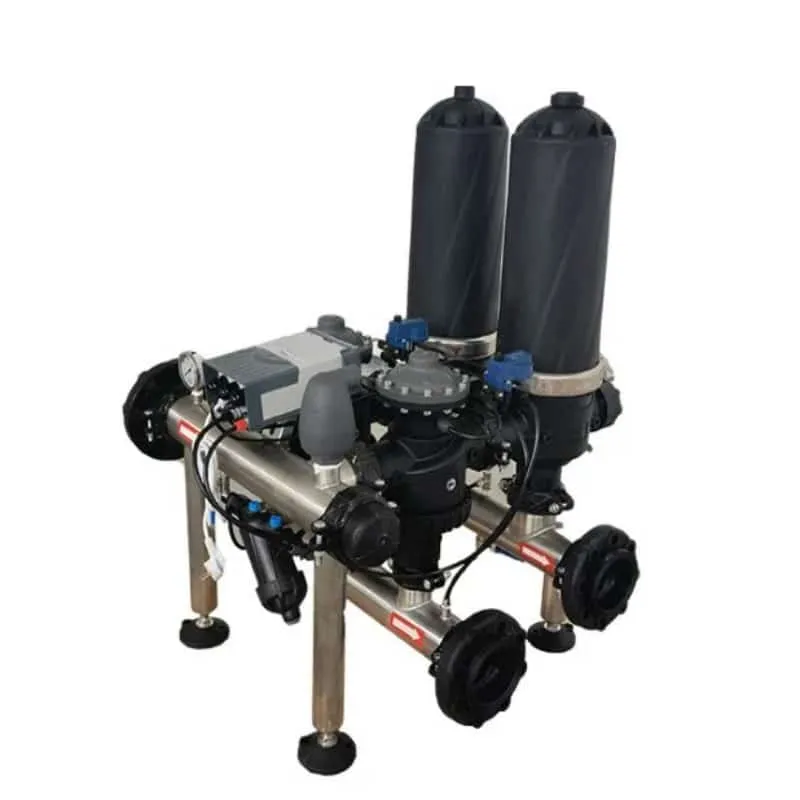
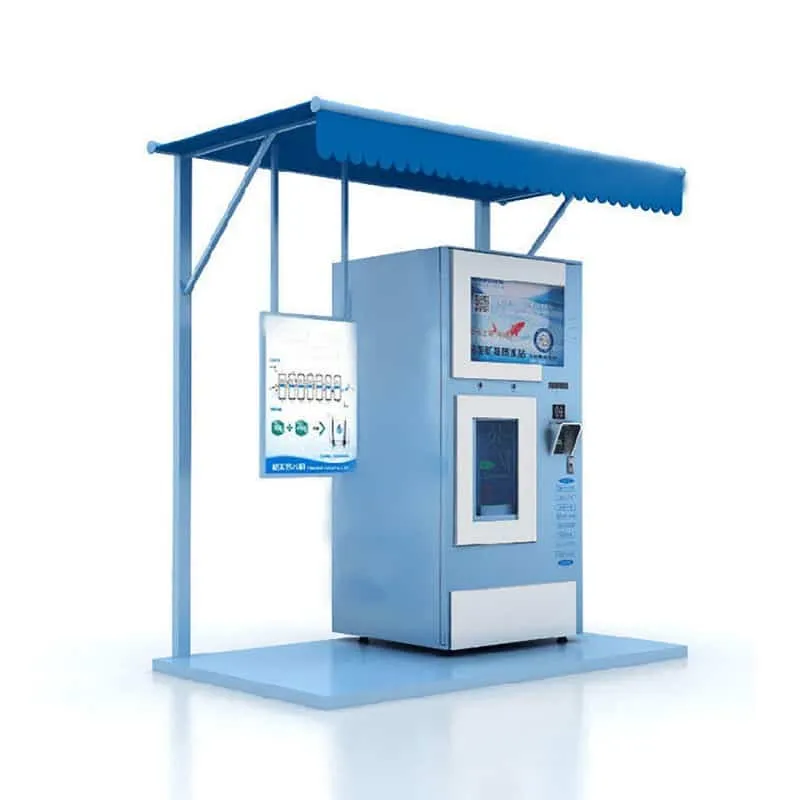
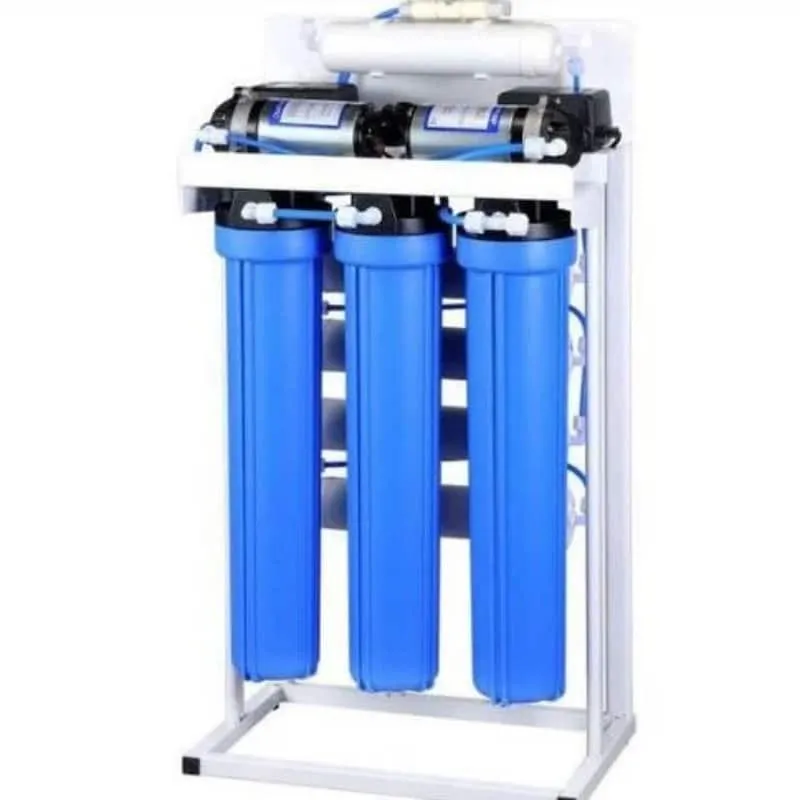
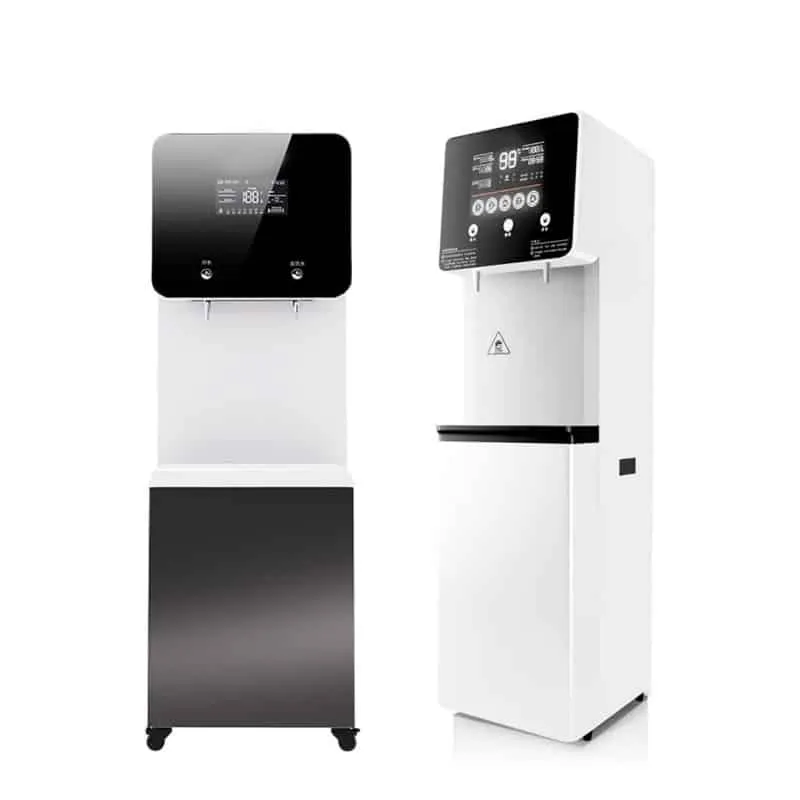




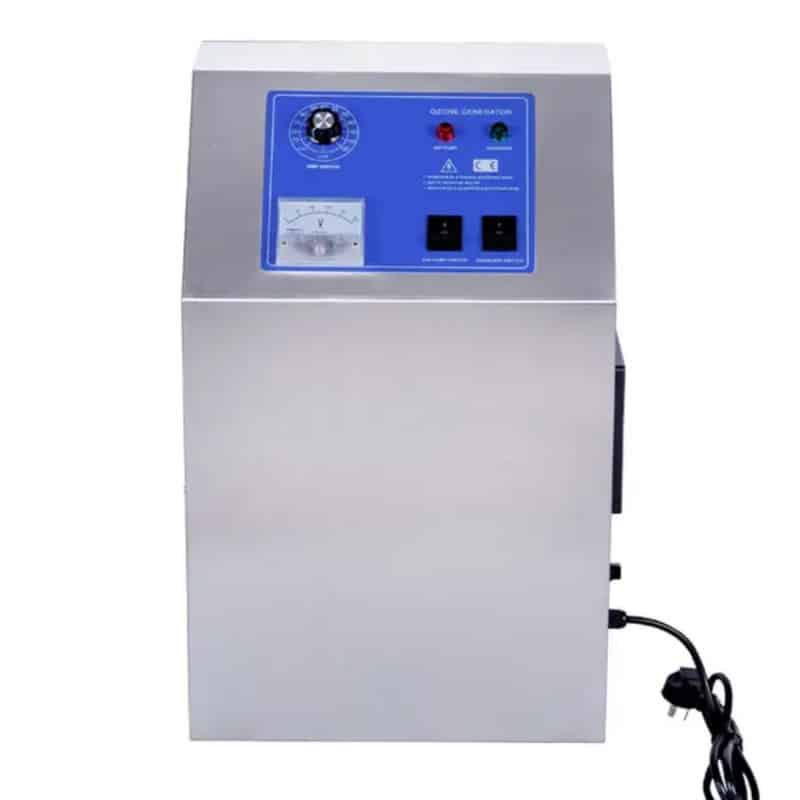


A mobile desalination unit is a small, movable system that turns seawater into usable freshwater. On an offshore rig, its main job is to supply drinking water and process water without relying on deliveries from land. Offshore platforms are far from any city water supply. Shipping freshwater out to them is slow, costly, and easily disrupted by weather. A mobile desalination machine removes that dependency by making water on site. These systems give crews a steady, self-reliant source of water in remote marine environments.
Key Takeaways
Mobile desalination units turn seawater into fresh water right on the rig, so crews don’t have to wait for water to be delivered.
Reverse osmosis uses pressure to push water through a membrane. Thermal distillation, on the other hand, boils water to separate the salt.
Clean the membranes often to keep output steady and avoid wasting energy.
Modular units make it easy to add capacity as crew sizes or needs change.
New designs use less energy and smart monitoring to make water production reliable.
Mobile Desalination Systems Defined

What “Mobile” Really Means
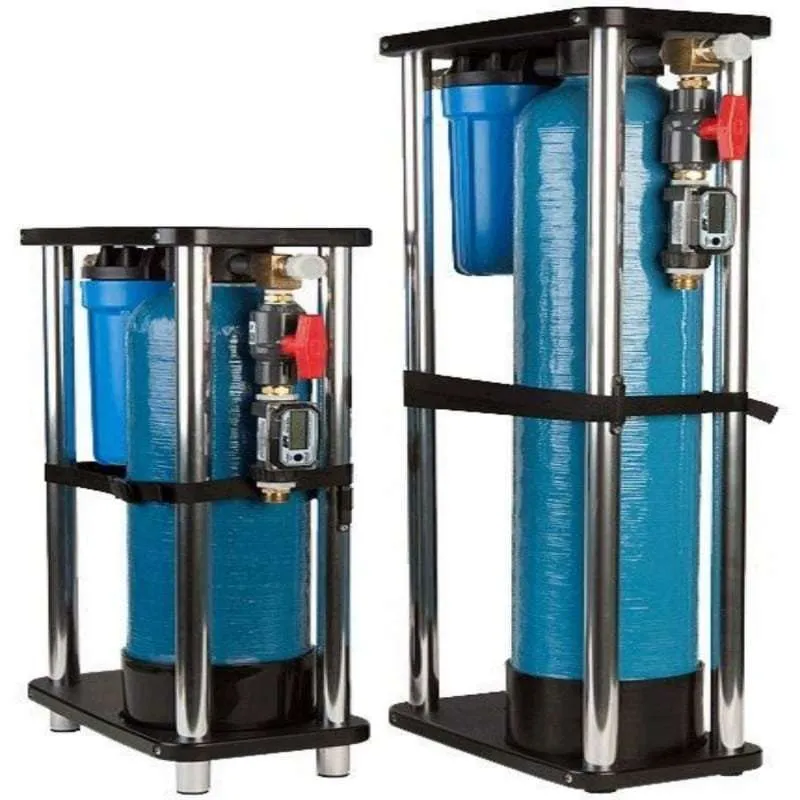
Mobile desalination units are water treatment systems that are complete and ready to go. They are made to be moved easily and set up fast. These systems show up fully put together. Crews can set them on trailers, floating platforms, or subsea units. No permanent building is needed at the site. The unit is a whole package, not a pile of parts to put together when it arrives.
Being easy to move shapes the design. Units should be simple to move and set up in different places. Weight and size are clear things to think about when choosing one. A carrying case or bag helps with transport. Units are usually small and light for remote or off-grid use. Plug-and-play operation, a small footprint, and no outside power supply let them work on boats, yachts, islands, and remote sites. A crew can unpack the unit, hook it up, and start making water. The design goal is simple: the unit should get to the site and start working with little effort.
Form factors vary a lot. The table below shows the main ways mobile desalination machines are set up.
Deployment format | Typical use case | Footprint / mobility characteristic |
|---|---|---|
Marine watermaker | Yacht, fishing vessel, passenger ship | Certified for continuous vessel duty at a fraction of the footprint |
Portable / small containerized | Disaster response, construction camp, short-term event | Fast redeployment prioritized over lowest per-unit cost |
Containerized / skid-mounted | Factory-built, shipped pre-assembled | Minimizes on-site variability; capacity capped per unit, parallel units extend scale |
Field-erected plant | Continuous industrial RO above ~2,500–7,500 m³/day | Less economical for mobile needs; chosen when scale trumps mobility |
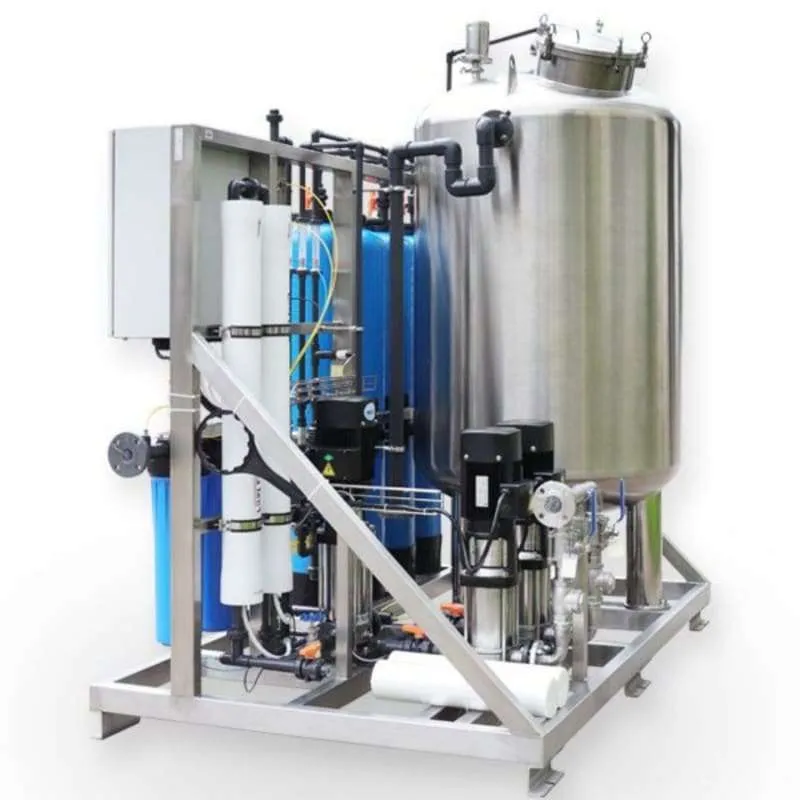
Containerized systems fit into standard 20- or 40-foot containers. They arrive fully put together and ready to use. Skid-mounted designs combine pre-treatment and membranes. This approach cuts down the footprint and lowers operating cost. Units need no installation and can be deployed right after delivery. They are easy to move and reuse at different sites. The physical footprint is smaller than that of fixed plants. Capacity is capped per unit, and parallel units add scale. This modular approach lets operators match output to demand.
The range of form factors keeps growing. Ship-shaped seawater desalination vessels have been introduced to supply freshwater to arid coastal communities. This shows how far the mobile idea can stretch. A vessel can carry large amounts of water to places that have no local supply.
Why Offshore Rigs Need Them
A rig sits far from any water supply on shore. Delivering freshwater by boat is slow and costly. Weather can disrupt deliveries at any time. A platform needs a steady source of drinking water for the crew and process water for operations. Mobile seawater desalination systems solve this problem directly. They make freshwater on site from the sea around them.
These offshore mobile seawater desalination systems remove the need for supply vessels. Crews gain a supply they can rely on themselves. Desalination turns seawater into a reliable resource. Operations keep going without waiting for the next delivery. Portable desalination also helps smaller installations. A rig can scale capacity by adding parallel units. This flexibility suits changing crew sizes and mission profiles. A platform can count on mobile desalination systems for daily needs and emergency reserves. The unit also cuts the amount of water that must be stored on board, which frees space for other equipment. For any rig, a mobile desalination system turns an unreliable logistics chain into a controlled, on-site process.
How Desalination Works

Two proven methods lead modern desalination: reverse osmosis and thermal distillation. Each method fits different situations. Neither one is better than the other. The choice depends on feedwater quality, energy availability, space, and crew skill. Mobile desalination machines often carry one method or the other, and some designs combine both.
Reverse Osmosis Basics
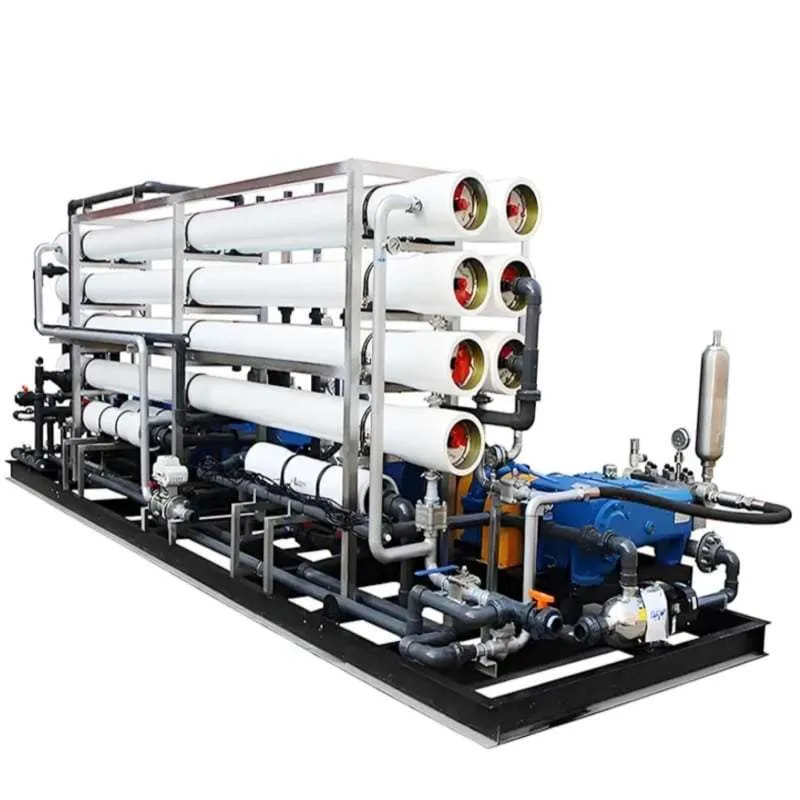
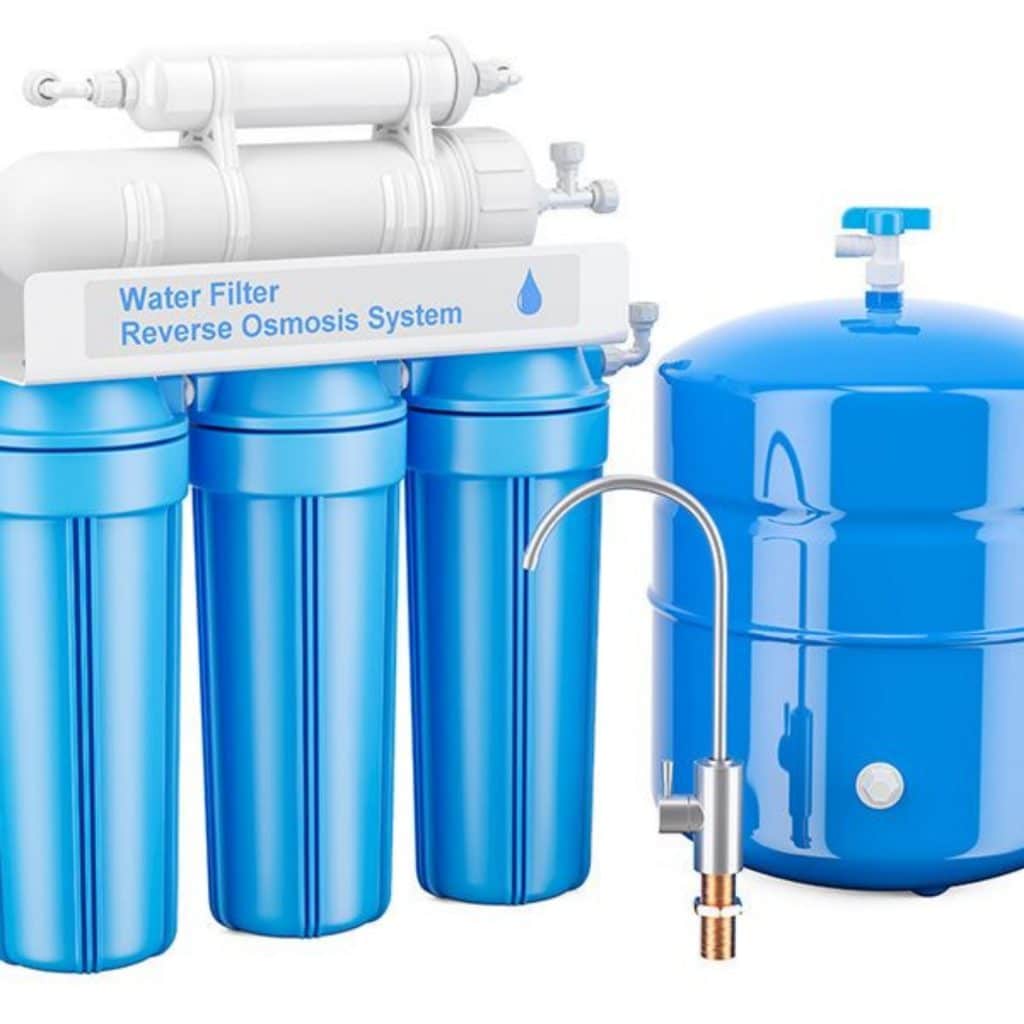
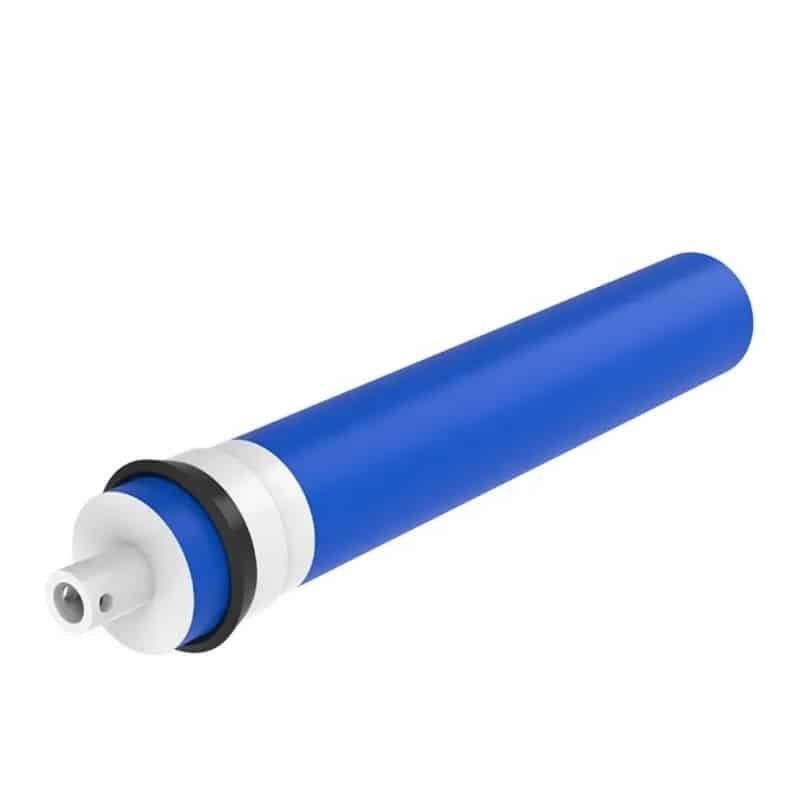
Reverse osmosis uses pressure to push seawater through a membrane. A high-pressure pump forces the feed across semipermeable ro membranes. These membranes block salt and let water molecules pass. The result is freshwater on one side and concentrated brine on the other. This ro desalination process sits at the heart of most offshore units.
Performance figures help operators plan. A membrane-based desalination system for seawater or brackish water typically achieves the following results:
Parameter | Typical Range |
|---|---|
Freshwater recovery rate | 35–45% (balancing production with fouling control and energy efficiency) |
Energy consumption | 3.0–4.5 kWh/m³ (depending on system design, energy recovery efficiency, and feedwater conditions) |
Recovery rates for seawater reverse osmosis usually fall in the 35–50% range. Higher values raise the risk of membrane fouling and scaling. Energy use has dropped sharply over time. Modern seawater reverse osmosis systems with high-quality energy recovery devices use about 3 kWh/m³, close to the theoretical minimum. Older plants from 20–30 years ago used 5–8 kWh/m³. Offshore oil and gas platforms are among the main applications of seawater reverse osmosis systems, which confirms the fit for rig duty.
Thermal Distillation Basics
Thermal desalination takes a different path. The process heats water until it turns into steam. Impurities stay behind in the liquid. The steam then condenses back into liquid form. The output is clean water with very low salt content.
This method handles poor feedwater quality well. It also deals with high salinity without the fouling problems that plague membranes. Thermal units need more energy in the form of heat. That heat can come from waste heat streams on a platform, which improves the economics. Reverse osmosis needs mechanical energy for pumping. Thermal distillation needs thermal energy for boiling. A rig with plenty of waste heat may favor thermal distillation. A rig with limited heat and tight space may favor reverse osmosis. Both methods deliver reliable freshwater. The right pick depends on the platform’s energy profile and operating conditions.
Inside Mobile Desalination Machines
Intake, Pre-Treatment, and Membranes
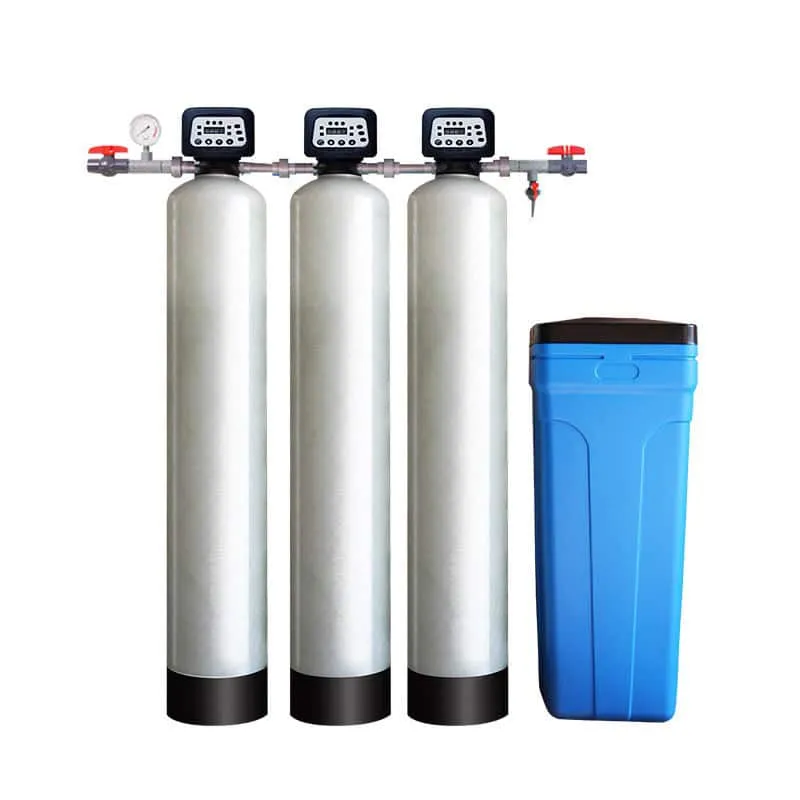
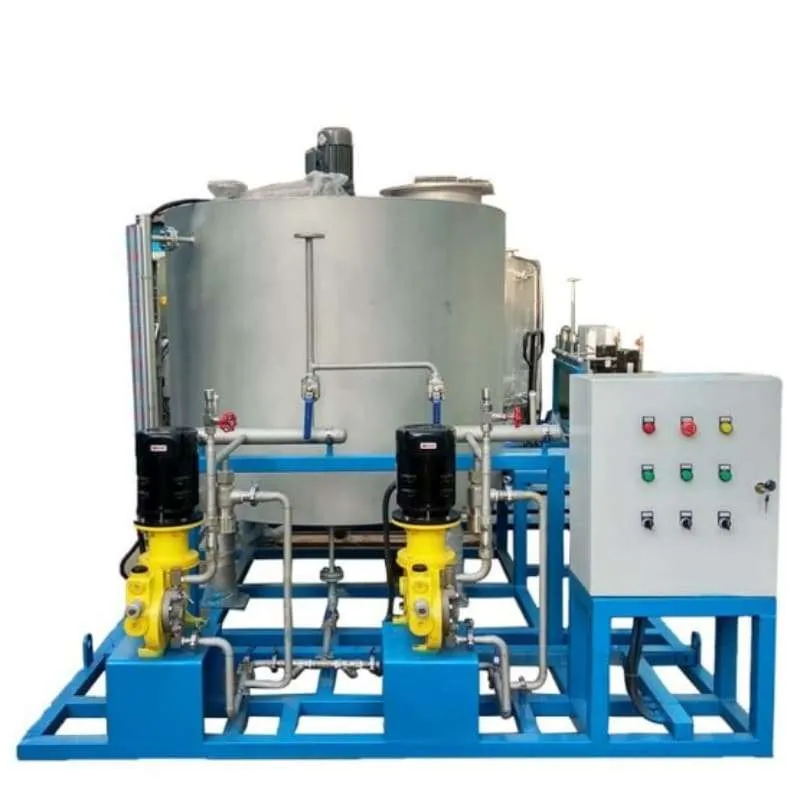
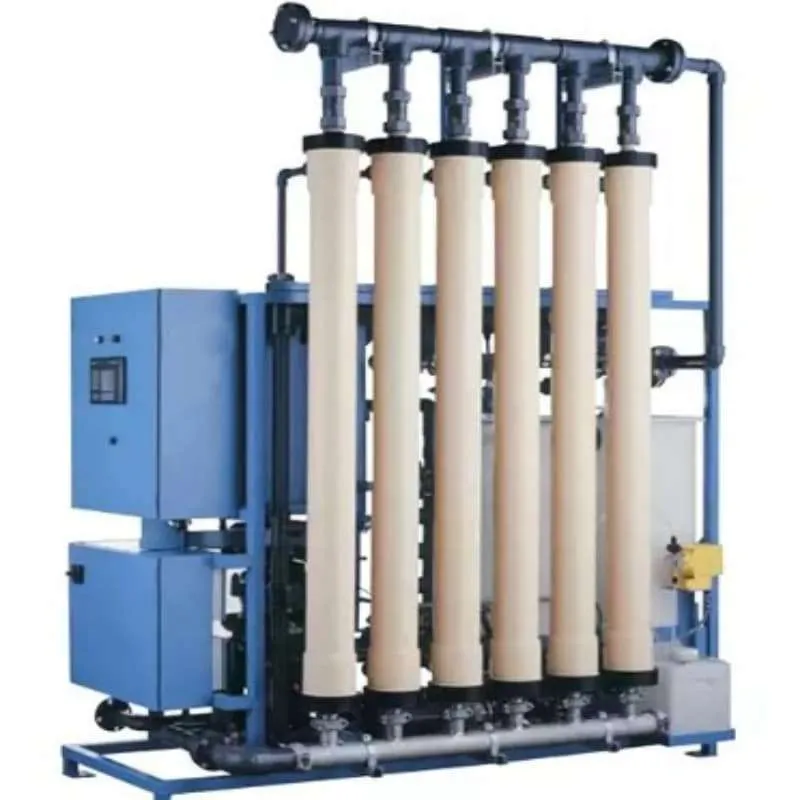
Every mobile desalination system begins at the intake. A small pump pulls seawater from the sea. A coarse screen blocks debris, seaweed, and marine life from getting into the unit. The feed then goes through pre-treatment. Filters take out sand and suspended solids. Some designs add chemical dosing to control scaling and biological growth. Clean feed protects the membranes and helps them last longer.
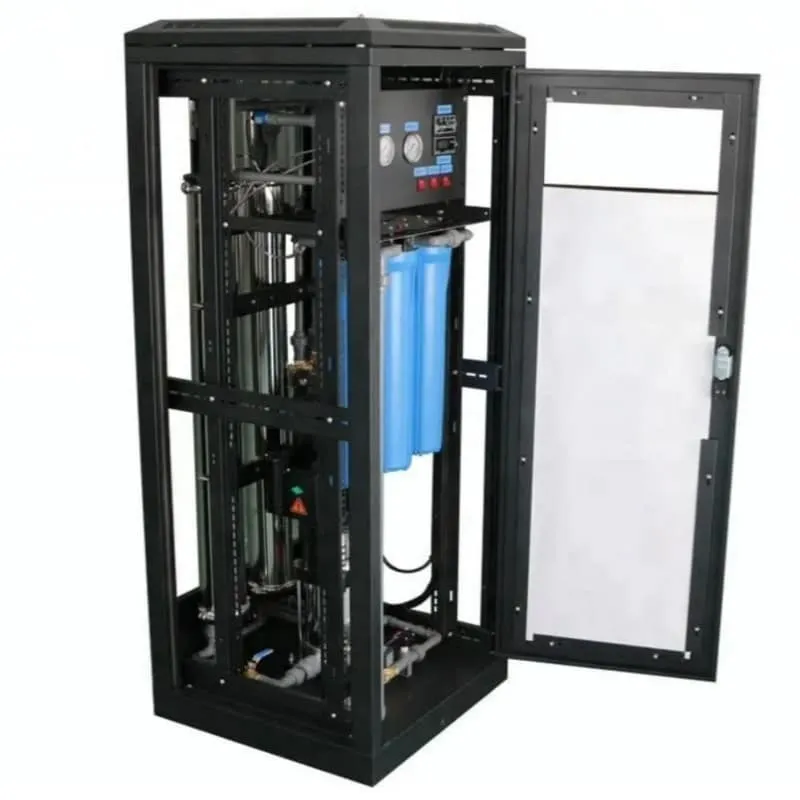
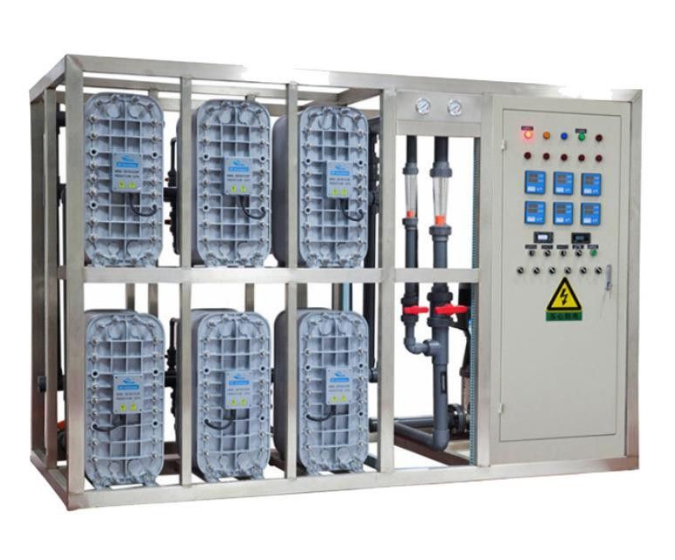
The membrane stage does the real separation. In a mobile ro unit, seawater enters a pressure vessel packed with semipermeable membranes. The membranes block salt and let water molecules pass through. Freshwater comes out one side, and brine comes out the other. Containerized ro systems place these vessels in compact racks. This layout keeps the footprint small and makes service access simple. Containerized ro technology also allows quick membrane replacement in the field.
Pumps, Energy Recovery, and Controls
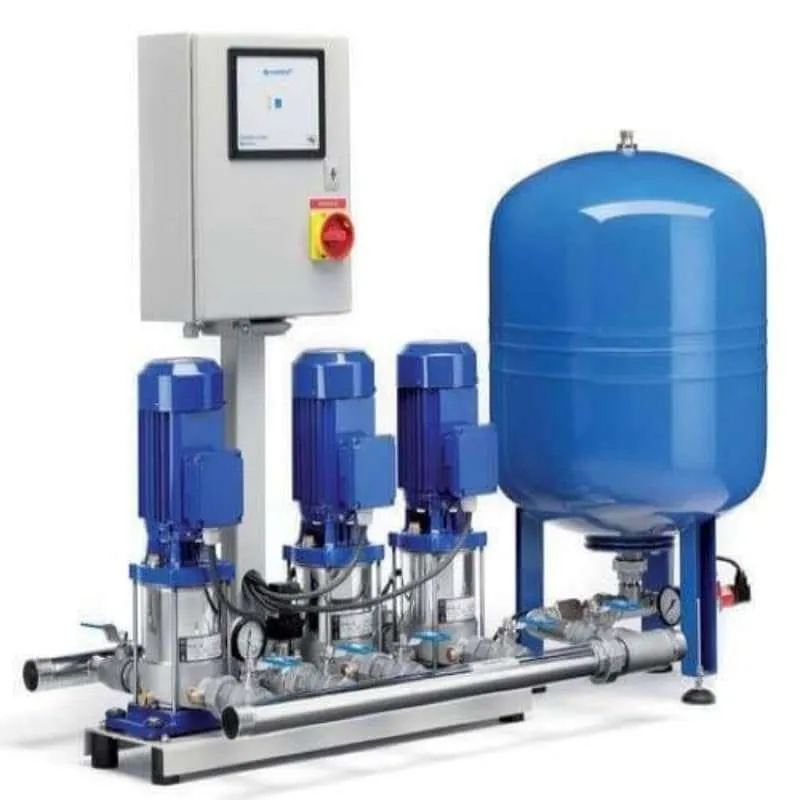
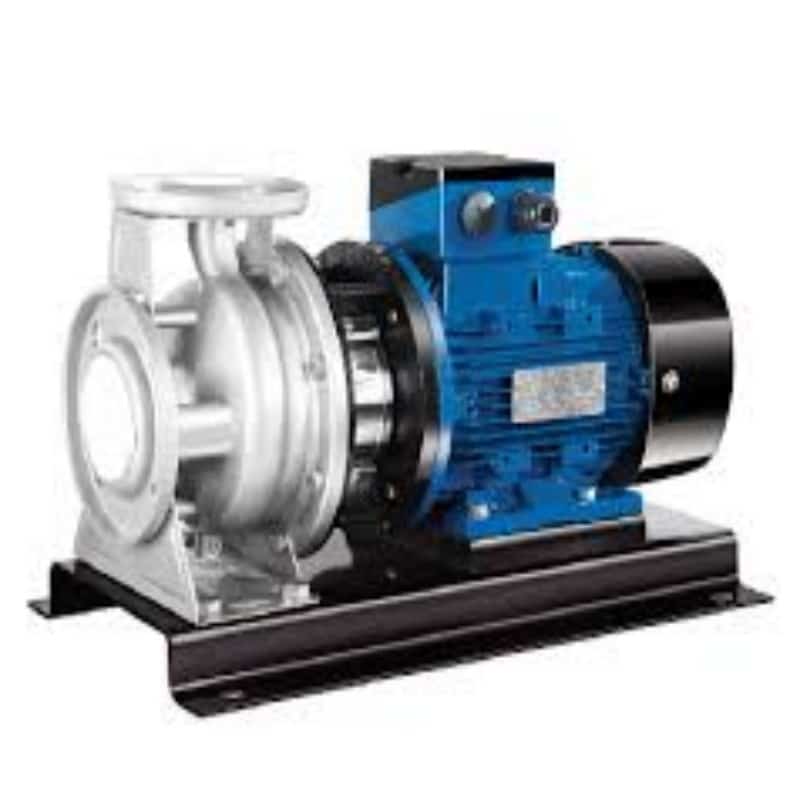
Pressure generation is the heart of ro desalination. High-pressure pumps push feedwater past the membrane’s osmotic pressure. Small mobile desalination units can use an innovative piston pump with integrated pressure energy recovery to reach the required pressure levels. This combined design captures energy from the brine stream and sends it back to the feed. The result is lower power draw from the rig’s generators.
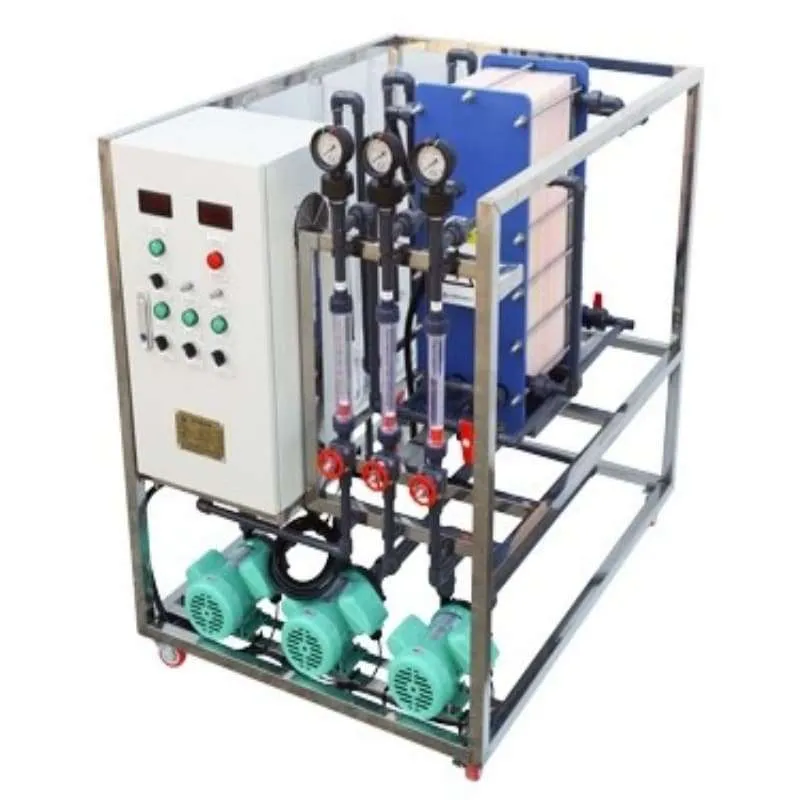
Controls tie the system together. Sensors track pressure, flow, salinity, and temperature. A controller adjusts pump speed and valve positions to hold stable output. Operators see alarms for low flow or high salinity. Containerized ro unit controls often include remote monitoring, so the crew can check performance from the control room. A containerized desalination system also ships with its own panel, wiring, and safety interlocks. Mobile desalination machines thus arrive ready to run. The crew connects power and feed lines, and the unit begins producing water.
Water Benefits and Operational Challenges
Operational and Safety Advantages
Making water right on the rig changes how supplies are handled. This point sums up the main value:
Offshore oil and gas rigs use desalination systems to turn seawater into safe drinking water for the crew and for daily operations. This cuts down on pricey water deliveries.
Mobile seawater reverse osmosis units can be up and running in 24 to 72 hours. No foundation work is needed, so setup costs go down on a platform deck. Units can be moved or upgraded when demand changes, and pairing systems adds more capacity. The output meets WHO Drinking Water Quality Guidelines, so the water is safe for the crew to drink. Container units placed on deck give offshore oil and gas clients a supply they can count on.
Monitoring adds another layer of safety. Advanced sensors track turbidity, conductivity, and differential pressure in real time. Operators spot problems before they hurt performance or water safety. Predictive maintenance uses sensor data to stop unexpected breakdowns. Early leak detection flags saltwater or chemical leaks before they cause corrosion or compliance issues. Corrosion-resistant instruments last longer in harsh marine environments.
Common Challenges and Solutions
Membrane fouling is the biggest challenge for mobile desalination machines. Fouling raises the energy needed to push water through, which lowers output per unit of energy. A planned cleaning routine protects performance. Schedule cleaning when permeate flow drops 10–15%, inter-membrane pressure differential rises 15%, or salt rejection falls more than 5%. Clean-in-place service every 3–6 months works for most seawater systems. Keep cleaning temperature at or below 35°C, rinse well, and never mix acid and alkaline washes.
The chemical you pick depends on the type of fouling. Citric acid at 1–2% and pH 2–3 removes calcium carbonate scale. Sodium hydroxide at 0.1–0.5% and pH 11–12 handles organics and biofouling. A simple clean-in-place routine takes about 20 minutes per step, which fits offshore sites where crew time is limited. Daily and weekly checks on pressure, flow, and filter differential pressure catch drift early. These habits keep mobile desalination systems reliable over long deployments.
Future of the Mobile Desalination Machine
Energy Efficiency and Digital Monitoring
Pump design is changing quickly. Today’s pumps for salty water use better materials and smart monitoring to last longer and use less energy. Small, chemical-resistant diaphragm pumps run without leaks and handle corrosion well. These features work great for offshore jobs. Variable frequency drives now help pumps run at their best, and systems with efficient pumps use about 20% less energy than standard reverse osmosis setups. Membrane makers help too. Ultra-low energy membranes with about 10% more surface area and thin-film composite spiral-wound elements reach 99% salt rejection.
Digital monitoring is the second big change. Pre-programmed microprocessor controllers, touch-screen PLCs, real-time TDS monitoring, pressure switches, and digital flow sensors give crews exact control. Status alarms and pre-treatment lockout keep the membranes safe. Built-in monitoring allows remote diagnostics, which cuts downtime and maintenance costs. IoT-enabled pumps add predictive maintenance, so the unit warns about wear before a breakdown stops production. For mobile desalination machines, this means less crew time watching and more reliable output.
Modular and Sustainable Designs
Modularity is becoming the norm. Containerized plug-and-play units come with pre-plumbing and pre-wiring, corrosion-resistant aluminum frames, and modular parts. Maintenance costs drop by about 20%, and the format fits offshore and remote operations. Scalability lets operators add units as demand grows. Off-grid operation keeps portable desalination working when local power grids fail.
Sustainability shapes the next wave. Islands pair wind and solar with battery storage to steady renewable supplies for desalination. Hybrid photovoltaic-battery plants can power reverse osmosis units, though water costs per unit stay higher than grid-driven operation. Running reverse osmosis on and off when supply drops costs only 5–10% of total throughput, which helps keep things reliable. AI now improves energy use and chemical dosing. Brine mining and Zero Liquid Discharge offer greener choices than normal discharge. Together, these trends point to mobile seawater desalination systems that are leaner, smarter, and easier to keep running in remote waters.
A mobile desalination machine is a complete system that turns seawater into fresh water right on site. It works in four steps:
Pre-treatment takes out particles and tiny organisms.
High-pressure pumps push the feed past its osmotic resistance.
The RO membrane stage blocks salts and contaminants.
Energy recovery devices reuse brine pressure to lower power demand.
These units are key to offshore drilling. They replace slow deliveries that weather can disrupt with a steady on-site supply for crews and operations. Expect future desalination systems to use less energy and adopt modular designs. That mix keeps remote water production efficient and easy to scale.
FAQ
How fast can a unit start producing freshwater?
Most mobile seawater reverse osmosis units are fully running within 24 to 72 hours after they arrive. No foundation work is needed. Crews hook up power and feed lines, and water starts flowing. This fast timeline works well for urgent rig needs and short deployments.
Which method suits a platform better, membranes or thermal distillation?
The answer depends on the platform’s energy profile. Reverse osmosis needs mechanical energy to pump water. Thermal distillation needs heat, and waste heat streams can provide it. A rig with lots of waste heat may do better with thermal units. Tight space and limited heat favor membrane systems.
What maintenance keeps output steady?
Operators should clean membranes when permeate flow drops 10–15% or salt rejection falls more than 5%. Clean-in-place service every 3–6 months works for most seawater systems. Daily checks on pressure, flow, and filter differential pressure catch drift early.
Can these systems scale with changing crew sizes?
Yes. Parallel units add capacity as demand grows. Containerized designs arrive pre-assembled and ready to run. Operators can move or upgrade units when mission profiles change. This modular approach matches output to actual need without oversizing equipment.
Is the produced water safe to drink?
Output from these systems meets WHO Drinking Water Quality Guidelines. Real-time sensors track turbidity, conductivity, and differential pressure. Early leak detection flags contamination before it becomes a safety or compliance issue. Crews can trust the supply for daily consumption.








 English
 Chinese
 German
 Russian
 Japanese
 French
 Dutch
 Italian