







Adding multimedia filters to large industrial lines follows a step-by-step path. Teams go through needs assessment, design and sizing, media and component selection, installation planning, commissioning, and ongoing maintenance. Each phase matters for four measures: technical performance, application fit, regulatory compliance, and cost. No single step stands alone. A weak choice early in the sequence often shows up as poor performance later.
The sections below go through these phases in order. Engineers and plant managers can match each step to their own industrial filtration lines. The sequence gives teams a practical checklist. It also shows where decisions carry the most risk.
Key Takeaways
Use a step-by-step plan, from figuring out what you need to keeping things in good shape. This helps make sure it works well and saves money.
Check the source water for silt density index and turbidity to decide if multimedia filtration is needed.
Pick the right media layers and vessel size to handle the solids load and flow rate.
Use pressure drop to decide when to backwash, not a set schedule, so the filter keeps working well.
Deal with backwash water the right way, and think about the total cost of ownership to save money over time.
Multi Media Filtration Basics
How Layered Media Works
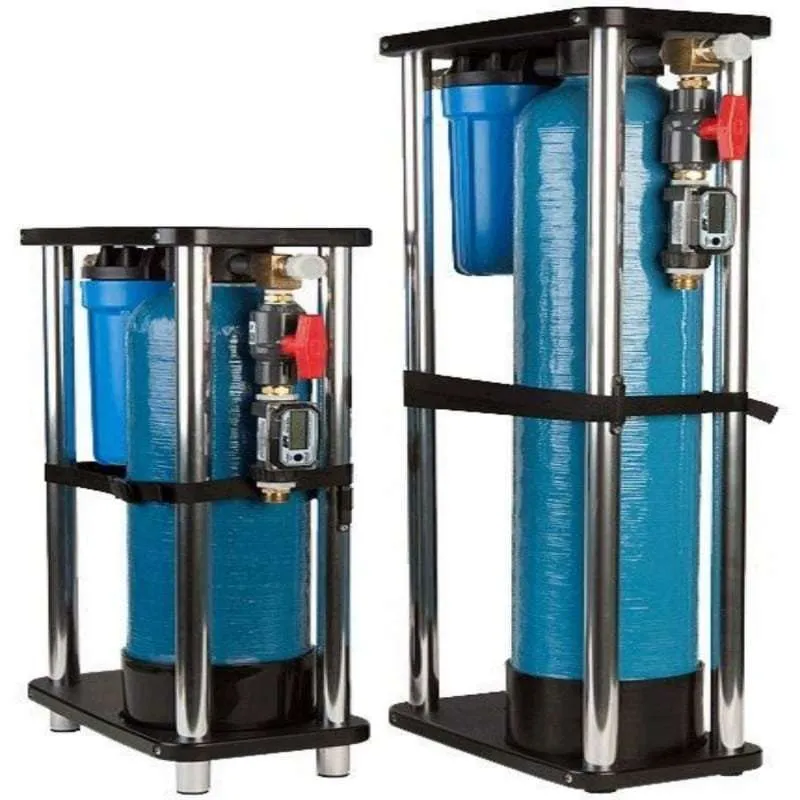
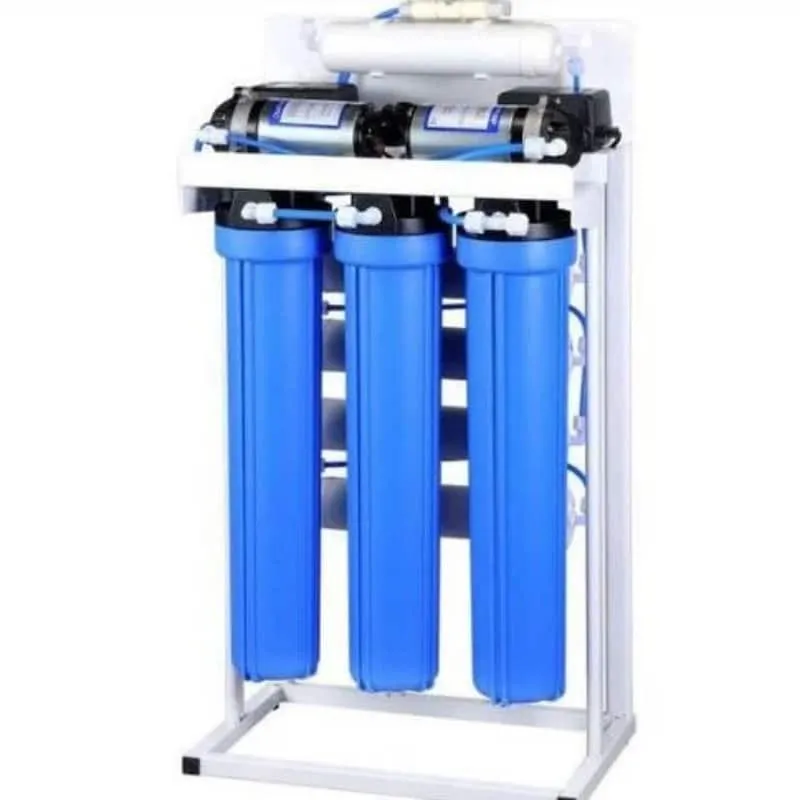
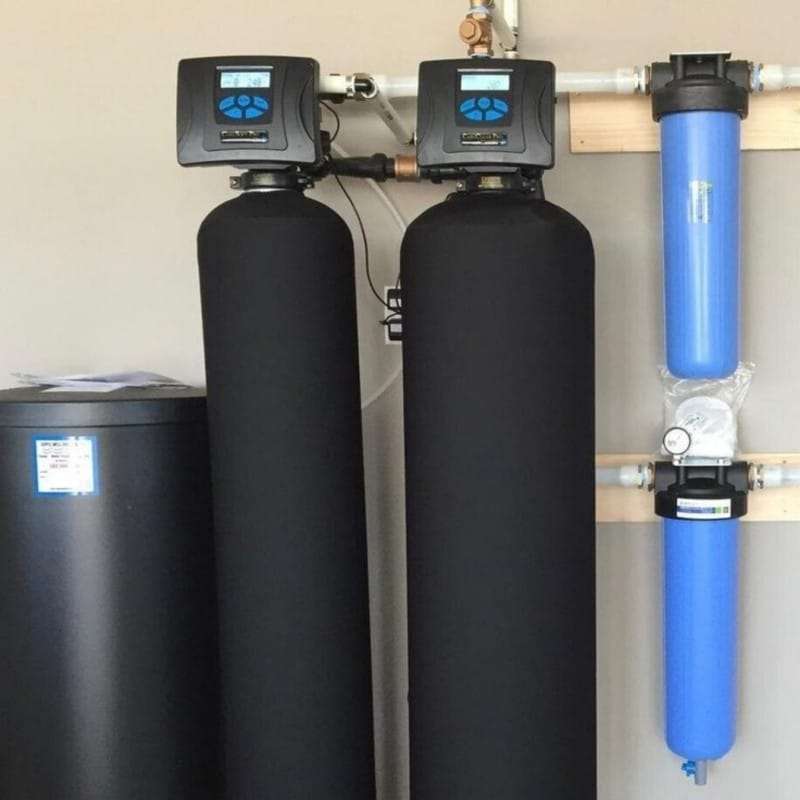
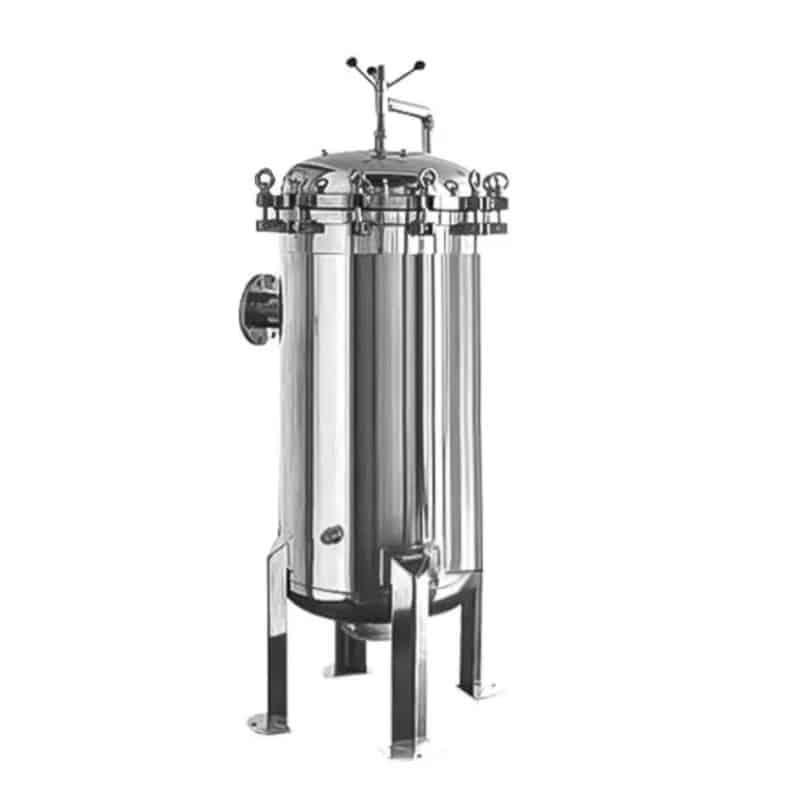
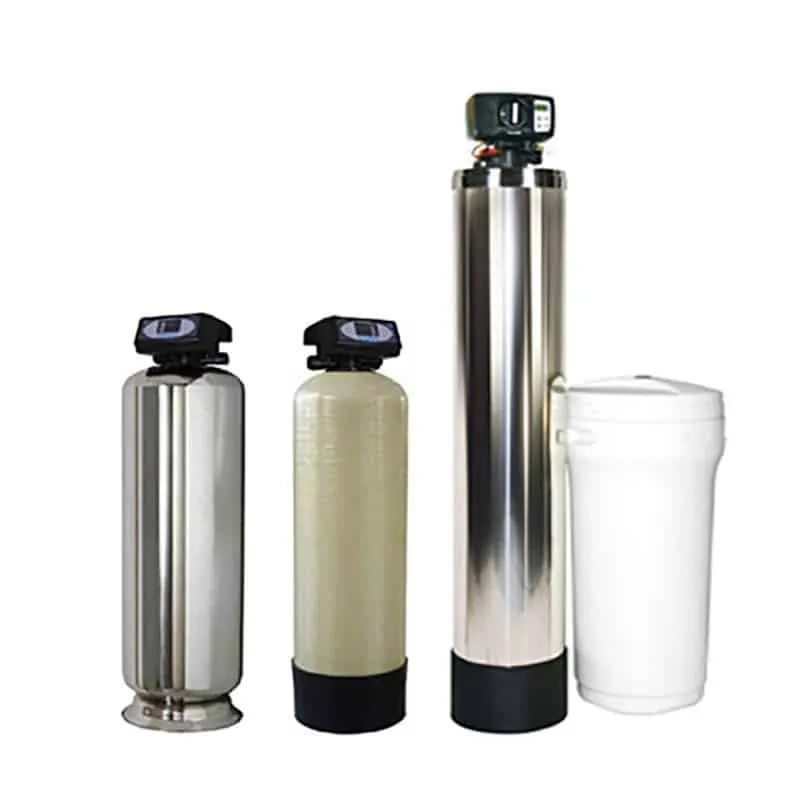
A multi-media filter works by depth filtration. Feed water comes in through the inlet valve and sprays over the mixed media bed. Gravity then pulls the water down through media graded from coarse to fine and arranged by density. Big particles get stuck in the top layers, and finer particles are trapped in the deeper layers. This multilayer filtration design removes dirt, silt, rust, and other suspended solids. Suppliers report removal down to about 5 to 15 microns, and some industrial units target 10 to 25 microns depending on vessel sizing.
A typical vessel holds three layers of media: anthracite on top, silica sand in the middle, and garnet at the bottom. These anthracite/sand/garnet mixed units form a true depth filter with decreasing porosity. Graded support layers sit over the underdrain system. These layers stop filter media from migrating during backwash. Periodic backwash then restores the bed and flushes captured solids to drain.
Purpose of a Multi-Media Filter
The purpose of a multi-media filter is to protect downstream equipment. It removes suspended solids and turbidity before water reaches reverse osmosis membranes or other treatment stages. A mixed media filter also handles higher solids loads than a single sand media filter. Effluent quality varies by application, as the table below shows.
Application Scenario | Influent Turbidity | Effluent Turbidity Achieved |
|---|---|---|
Municipal water pretreatment (RO pretreatment) | ≤5 NTU | ≤0.5 NTU |
Industrial circulating water makeup | 5–20 NTU | ≤1–2 NTU |
Wastewater treatment (secondary effluent) | 10–50 NTU | ≤5 NTU (≤2 NTU for reuse) |
Groundwater purification (low iron/manganese) | 2–10 NTU | ≤0.3–0.5 NTU |
Plants choose multi media filtration when suspended solids or turbidity is higher than simpler filters can handle. The mixed media filter beds give steady effluent and protect costly membrane systems from fouling.
Integration Steps for Industrial Filtration
Assess Needs and Design
Every industrial filtration project should begin with a clear needs assessment. Engineers need to test the source water and record what contaminants it contains. Two signs point to multi-media filtration. The first is a silt density index above 3. The second is turbidity above 0.2 NTU. These numbers are useful guidelines, not strict rules. They help stop reverse osmosis and nanofiltration membranes from fouling too early. Membrane makers usually require the silt density index to stay below 3 to keep warranties valid. A plant that skips this step may size the wrong technology for its line.
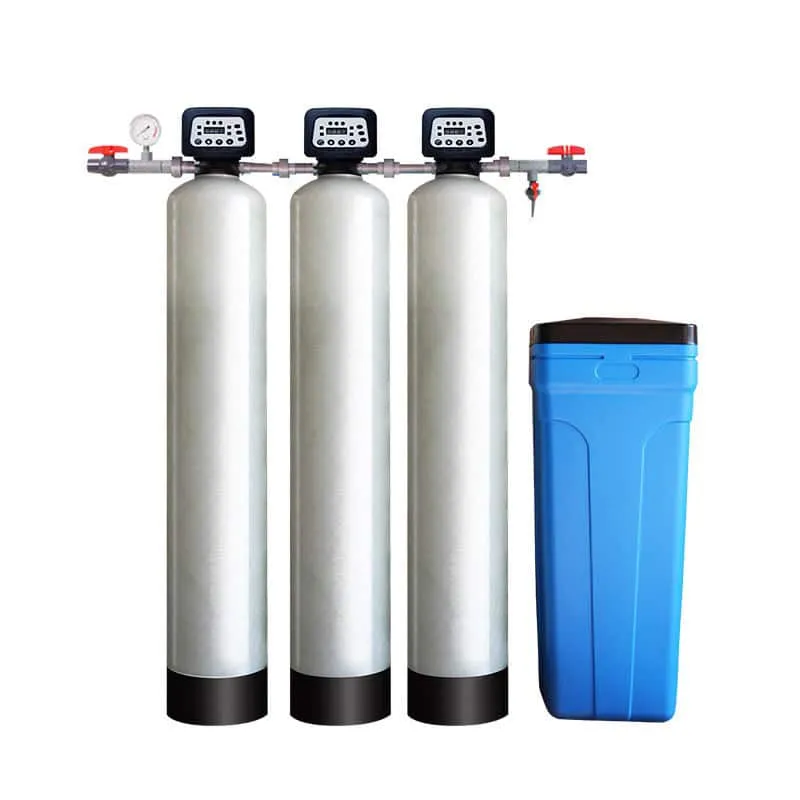
Design and sizing come next. Pressure-type multi-media filters offer high service flow rates, so they fit large lines with limited space. They also work well as final filtration for most city and well water supplies. Designers should match vessel diameter, bed depth, and flow rate to the expected solids load. A multi media filter that is too small will use up its bed quickly and need frequent backwash. A unit that is too large wastes money and may send flow unevenly through the filter media.
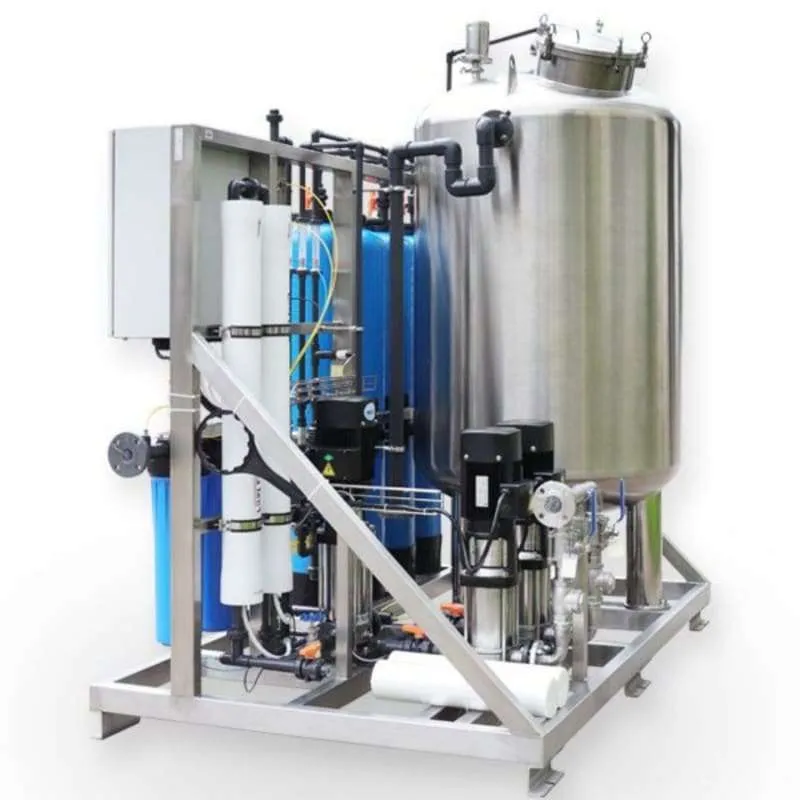
Installation planning deserves early attention. Remote sites often depend on containerized or mobile systems. Fitting high-capacity filtration into these platforms takes careful engineering. Teams must confirm structural support, piping connections, and access for media loading. They should also plan the underdrain system layout before the skid leaves the shop.
Select Media, Install, Commission
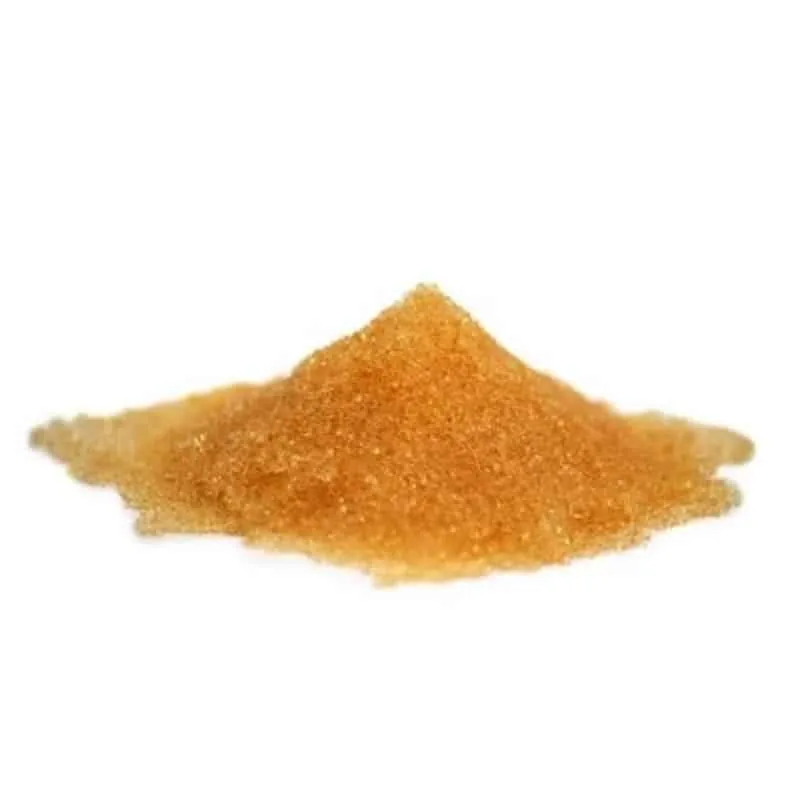
Media selection shapes long-term performance. A typical multi-media filter uses anthracite, silica sand, and garnet in graded layers. This mixed media arrangement creates a true multilayer filtration bed with decreasing porosity. The coarse top layer catches larger particles, and finer lower layers trap smaller ones. High-rate, multilayer media beds allow faster flow while keeping effluent quality. Buyers should confirm that filter media meets industry specifications for uniformity and hardness.
Installation follows the design plan. Crews load media in the correct order and check bed depth against the drawings. They inspect the underdrain system for damage before closing the vessel. Commissioning then tests the full cycle: service flow, backwash rates, and rinse steps. A multi media filter should reach stable effluent turbidity before the team hands it to operations. Operators need training on backwash triggers and valve sequencing. A multi-media filter that runs well at startup still needs a written baseline for differential pressure and effluent quality. That baseline guides future maintenance decisions and protects the line from surprise downtime.
Multi-Media Filter vs. Alternatives

Performance, Fit, Compliance
Each technology in an industrial filtration line earns its place by doing something well. A multi-media filter traps particles through the whole depth of the bed. A single-media sand filter uses just one layer and holds less before it needs a backwash. The table below sums up the difference.
Comparison Aspect | Multimedia Filters | Single-Media (Sand) Filters |
|---|---|---|
Filtration mechanism | Several layers with different particle sizes and densities; particles are caught through the whole bed depth | Just one layer of filtration media |
Suspended solids removal / holding capacity | Higher — keeps more contaminants before backwashing | Lower solids holding capacity |
Run length | Longer filter run time between backwash cycles | Shorter run time between backwash cycles |
Overall efficiency | Better efficiency from depth capture | Works well but is more limited |
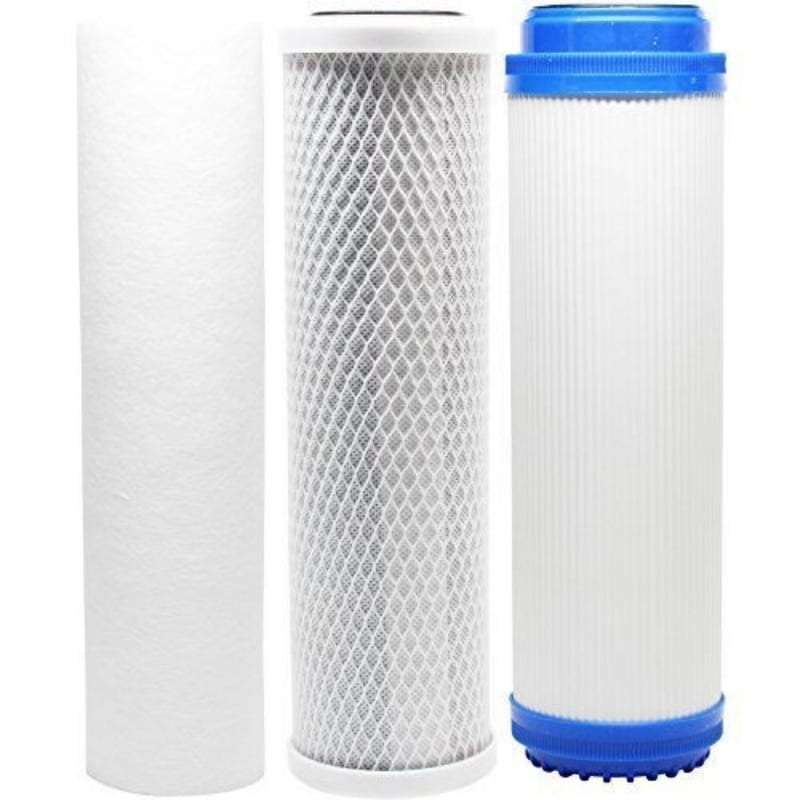
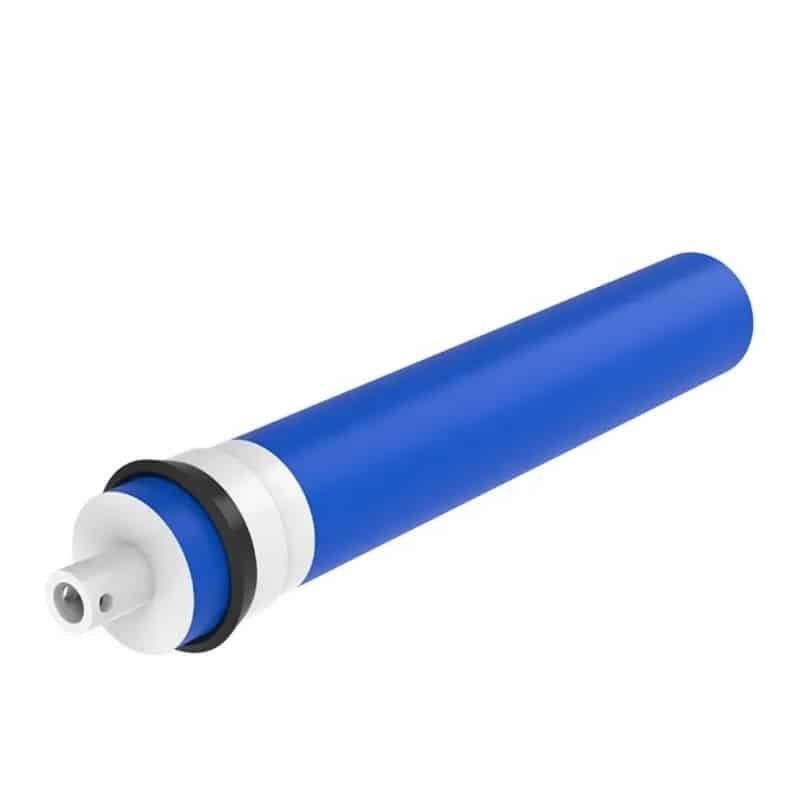
Membrane systems block dissolved solids at a fineness that granular media cannot match. Cartridge units clean water to tight limits when solids loads are low. A multi media filter handles high solids and guards membranes upstream. Dual-media filtration and dual-media filters fall between these two extremes. Every option fills a real need, and plants often run several in a row.
Compliance shapes the choice as much as performance does. Backwash water from a multi-media filter is a strong waste stream, with suspended solids at 10 to 20 times the influent level. That stream must go back to an equalization tank for retreatment. A forward flush of at least 5 minutes at rated flow is needed before the unit goes back into service. Designers should aim for 60 to 70 percent of the discharge limit to keep a 30 to 40 percent margin. Legal suspended solids compliance uses Standard Method 210.1, a gravimetric test; online turbidity is for process control only.
Note on scope: The retrieved source covers regulatory compliance for multimedia filters in industrial wastewater applications only. No specific text covers potable water applications, so potable-water compliance considerations are not evidenced here.
Cost and Best-Fit Uses
Total cost of ownership should guide the decision, not sticker price alone. A multi media filter costs more upfront than a sand unit, but its longer runs and lower backwash water demand make up that gap over time. A multi-media filter also keeps downstream membranes from fouling, and that protection has real value. Membrane systems give fine dissolved-solids rejection but need cleaner feed and higher operating spend. Cartridge filters offer simple polishing at low capital cost, though replacement elements add up in high-solids service.
Best-fit uses fall into clear patterns. Choose mixed media for high-solids streams and reverse osmosis pretreatment. Choose membranes when dissolved-solids rejection is the goal. Choose cartridges for final polishing. A multi media filter paired with a polishing stage often meets strict sector limits, such as the 10 mg/L suspended solids cap that semiconductor and PCB facilities face. When influent oil exceeds 20 mg/L, a gravity oil separator or DAF unit must come before the filter media as mandatory preconditioning. Match the technology to the flow, the contaminant profile, and the permit, and the line will perform.
Operating a Multi Media Filter

Reliability and Efficiency
Keeping a plant running without stops takes steady backwash habits and careful watching. Operators check the pressure difference before and after each cleaning cycle. This shows how much dirt has built up and how well the cleaning worked. Watching these pressure trends also helps teams plan when maintenance is needed. A multi-media filter should start backwash when the pressure drop passes the set limit, usually 0.8–1.0 kg/cm².
Parameter | Recommended Value / Practice |
|---|---|
Backwash trigger | Pressure drop exceeds set limit, typically 0.8–1.0 kg/cm² |
Backwash rate | ~15–20 m³/hr/m² |
Air scour rate | ~50–60 m³/hr/m² |
Bed expansion | 20–30% |
Media life | 3–5 years |
Chemical backwash (biofouling) | Sodium hypochlorite 50–100 ppm |
Chemical backwash (iron/manganese) | Citric acid 2–3% |
Chemical backwash (organic fouling) | NaOH 0.5–1% |
Operators look at the filter media on a planned schedule and swap it out within the 3–5 year media life window. They also keep an eye on effluent quality next to the pressure difference. A multi media filter that keeps effluent turbidity steady and shows a slow headloss rise is doing its job. A high-pressure drop that climbs fast is a sign of surface blinding, not depth filtration.
Troubleshooting Challenges
Most operating problems fit into three groups: short filter runs, media migration, and flow-rate mismatch. Fixing and troubleshooting these issues begins with trend data. Operators should track turbidity, coagulant dose, and headloss at the same time.
Problem | Common Causes | Solutions |
|---|---|---|
Short filter runs | Floc carryover from undersized coagulant dose during turbidity spikes; media loss; mudball formation; underdrain fouling; coagulant overdose adding solids load | Adjust coagulant feed and extend flocculation time; correct backwash frequency and rate; break up mudballs with air scour |
Media migration | Backwash rates set too high over time, carrying the finest media out with wash water | Set reverse flow to fluidize the bed without carrying media over the wash trough |
Flow-rate mismatch | Uneven backwash flow from underdrain fouling; wash rate too gentle or too aggressive | Correct backwash rate and duration; address underdrain fouling |
A high-pressure drop across the bed along with shorter runs points to floc carryover from upstream or media fouling. Backwash water that never clears up hints at media loss or mudballs. Operators should set the filter backwash rate to expand the bed 20–30% without washing media away. The underdrain system has to spread backwash flow evenly; fouling there leads to uneven cleaning. A mixed media filter bed bounces back well once the backwash flow rate and duration match the design.
Integration works best when you follow a step-by-step plan. Teams that go from needs assessment to commissioning in order protect performance and cost at every stage. Pick technology based on how well it fits the job, not on one single number. Steady operation and maintenance then protect uptime and effluent quality over the long run.
A multi-media filter is one strong choice among several. The right multi media filter design depends on the line’s flow, the contaminants it holds, and compliance needs. Multimedia filters rarely work alone in industrial filtration lines. Readers should talk to a filtration specialist or review their current system design before the next upgrade.
FAQ
When does a line need a multi-media filter?
Two test results point to this choice. A silt density index above 3 signals trouble. Turbidity above 0.2 NTU does the same. Either reading suggests that simpler filters will struggle. Membrane makers often tie warranty coverage to a silt density index below 3. A plant should test its source water before it commits to any technology.
How long does the filter media last?
Plan on a 3–5 year media life. Operators inspect the bed on a set schedule and replace media inside that window. Effluent quality and pressure trends guide the timing. A bed that blinds fast or sheds media early may need attention sooner. Regular inspection catches these problems before they reach downstream equipment.
How often should operators backwash?
Backwash follows pressure, not a fixed clock. Start the cycle when the pressure drop passes the set limit, typically 0.8–1.0 kg/cm². Set the rate to expand the bed 20–30% without washing media away. A multi media filter that runs to a stable baseline rewards this discipline with steady effluent and longer runs.
What happens to the backwash water?
Backwash water carries a heavy solids load, often 10 to 20 times the influent level. Route it to an equalization tank for retreatment. Run a forward flush of at least 5 minutes at rated flow before the unit returns to service. Designers should target 60 to 70 percent of the discharge limit to keep a compliance margin.
Can the filter handle oily feed water?
Not on its own. When influent oil exceeds 20 mg/L, a gravity oil separator or DAF unit must come first. This preconditioning step protects the media bed. Oil coats the granules and shortens filter runs. A multi-media filter performs best when upstream stages remove oil before the water reaches the vessel.








 English
 Chinese
 German
 Russian
 Japanese
 French
 Dutch
 Italian