

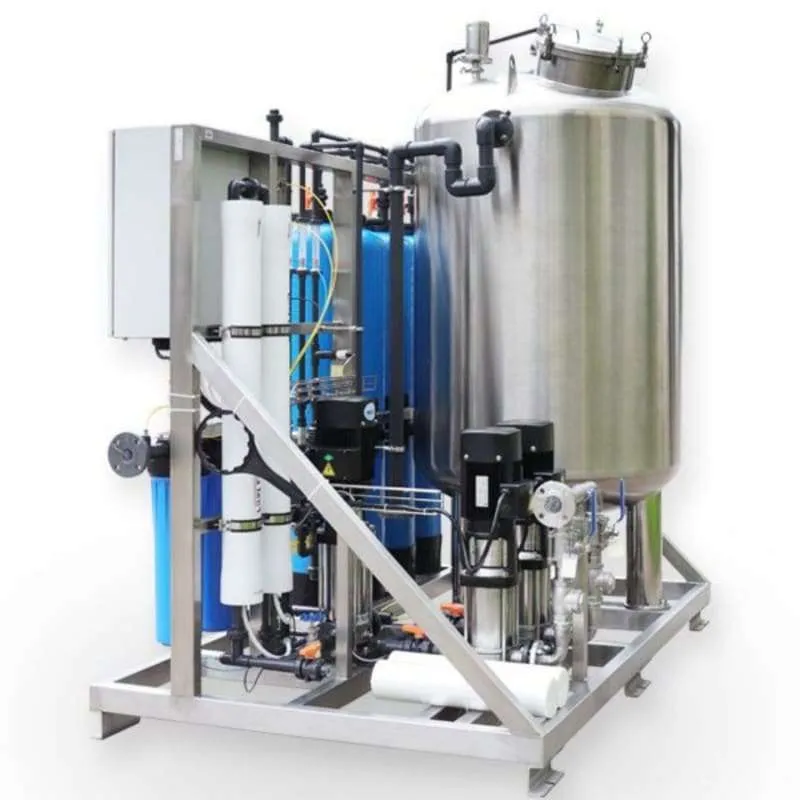
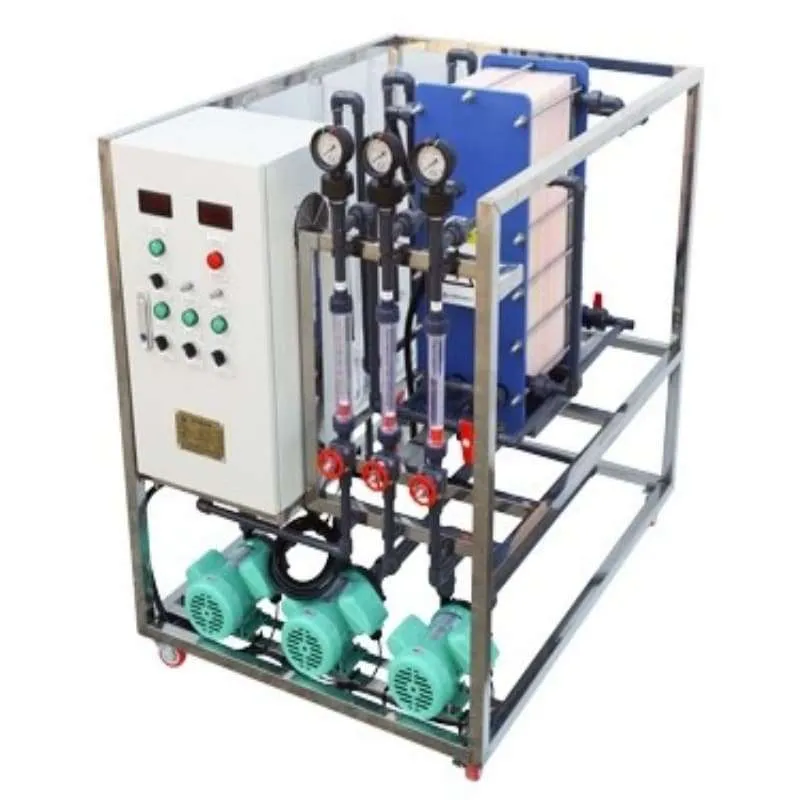
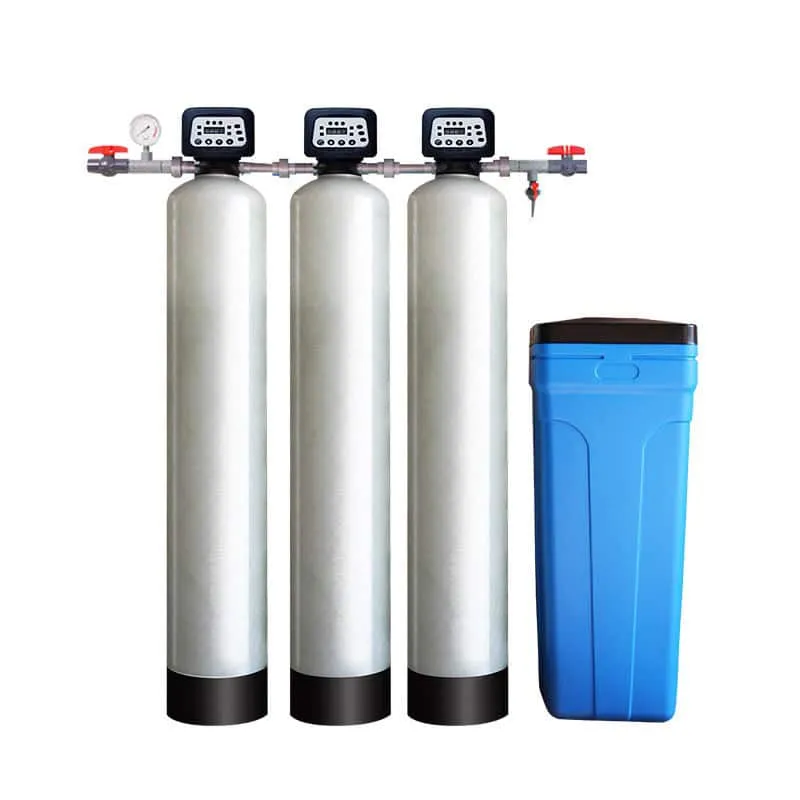
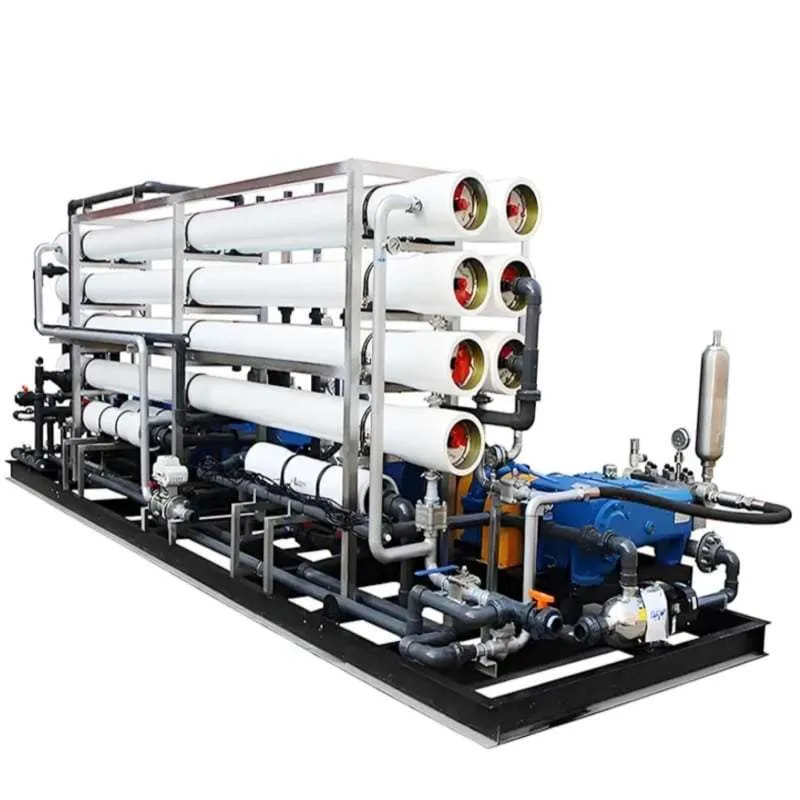
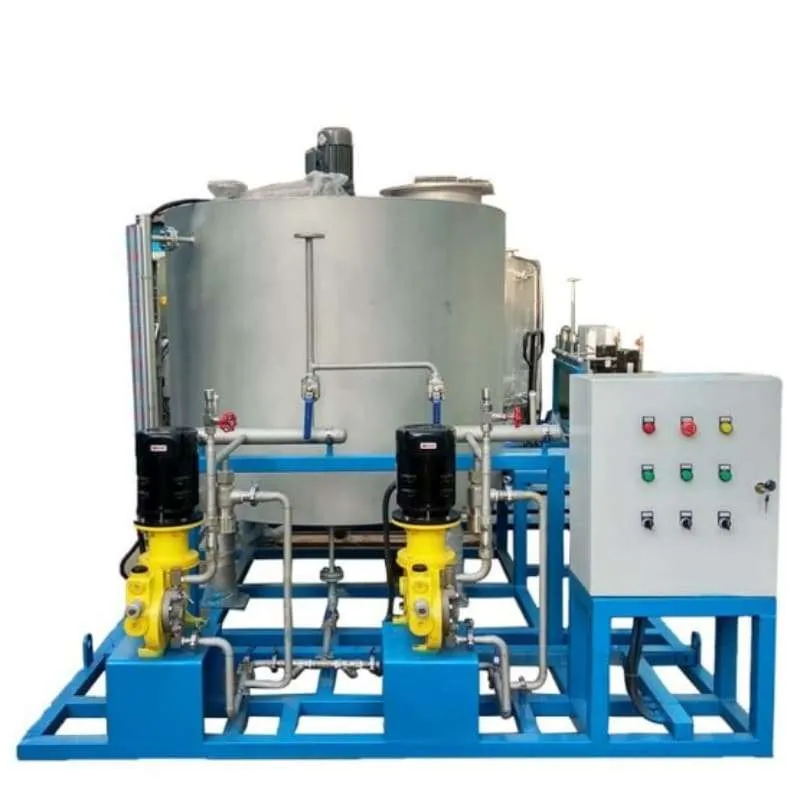
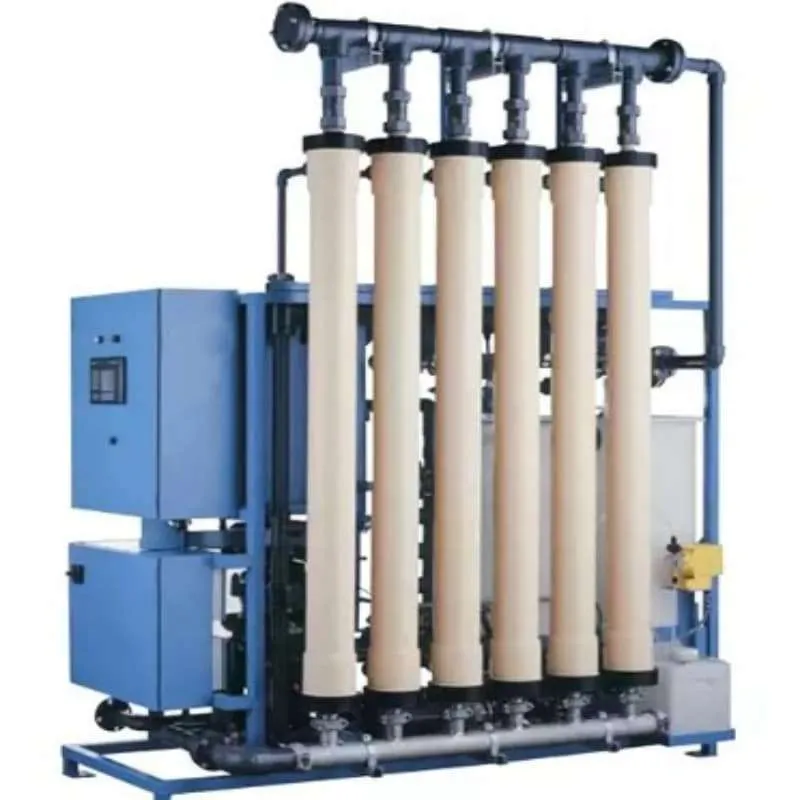
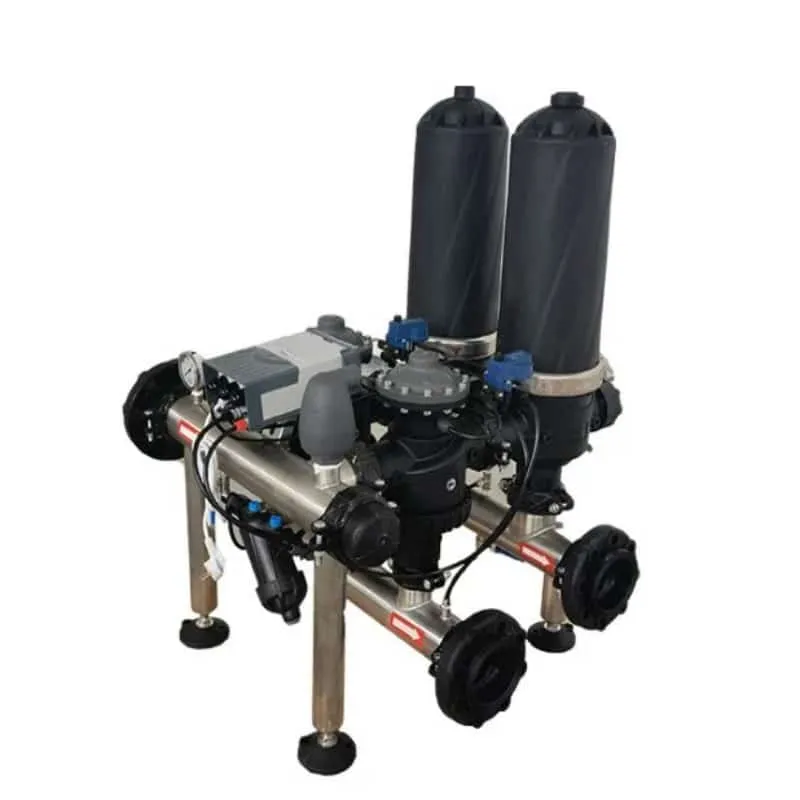
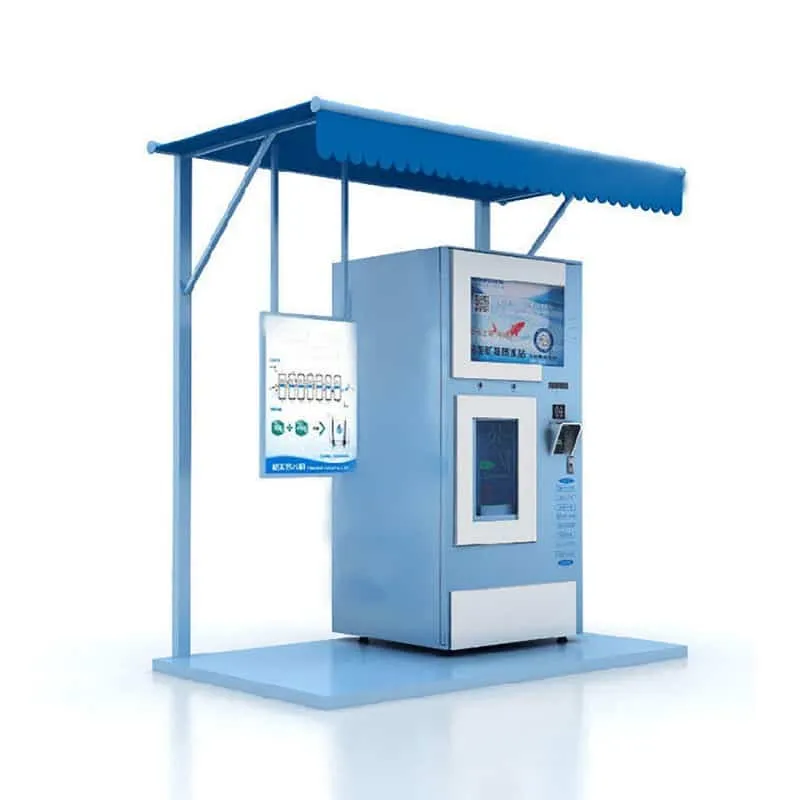
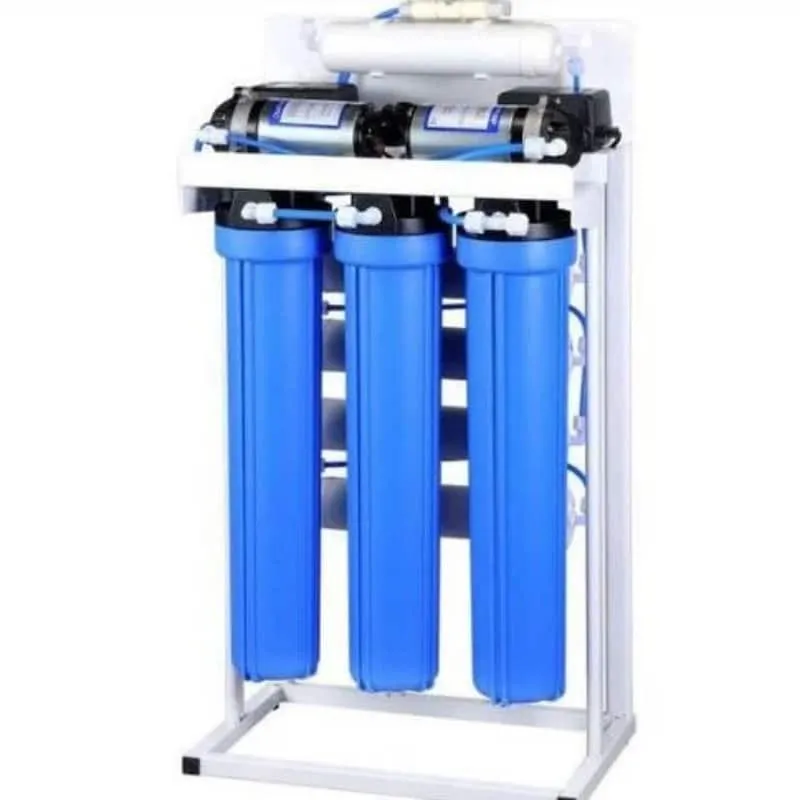
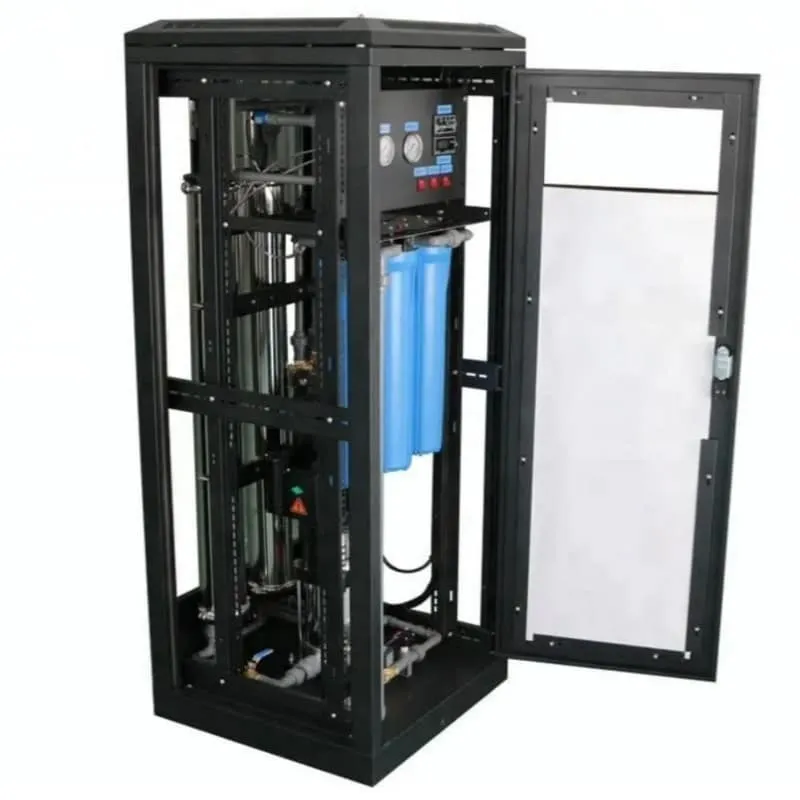
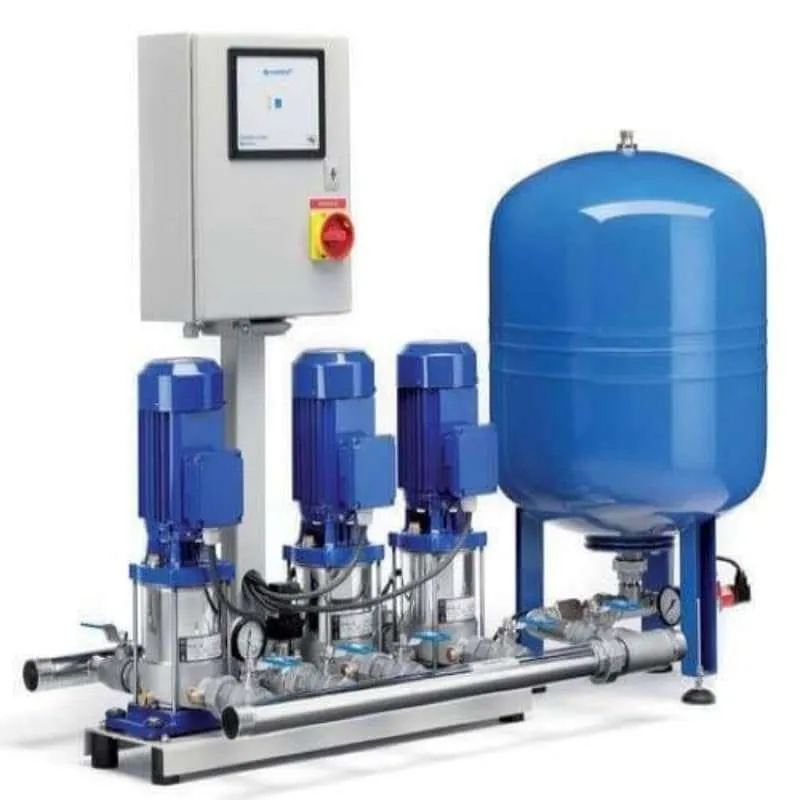
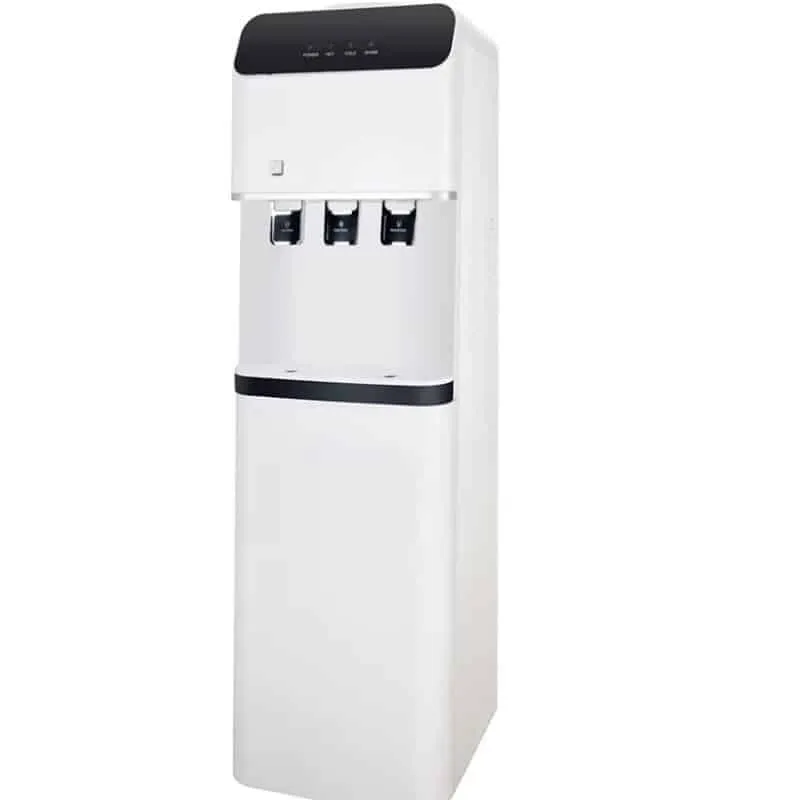

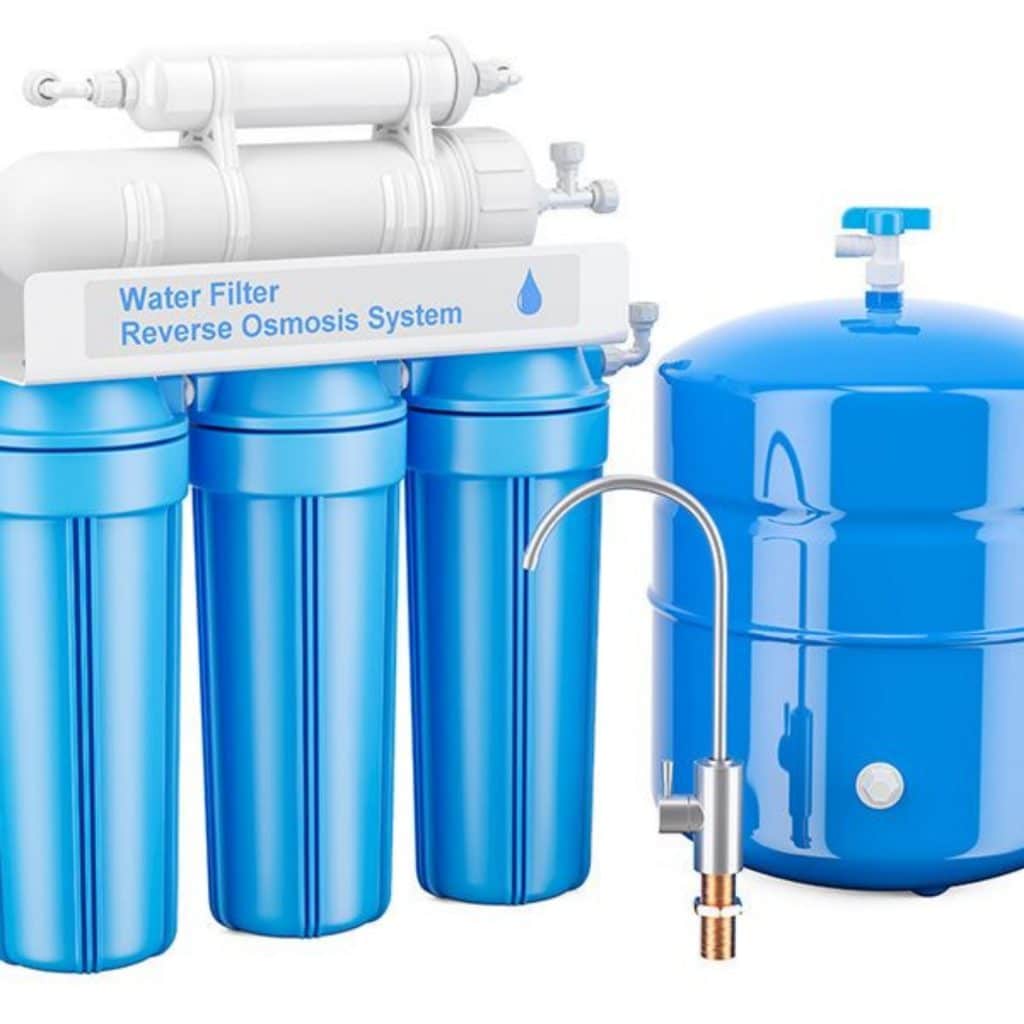
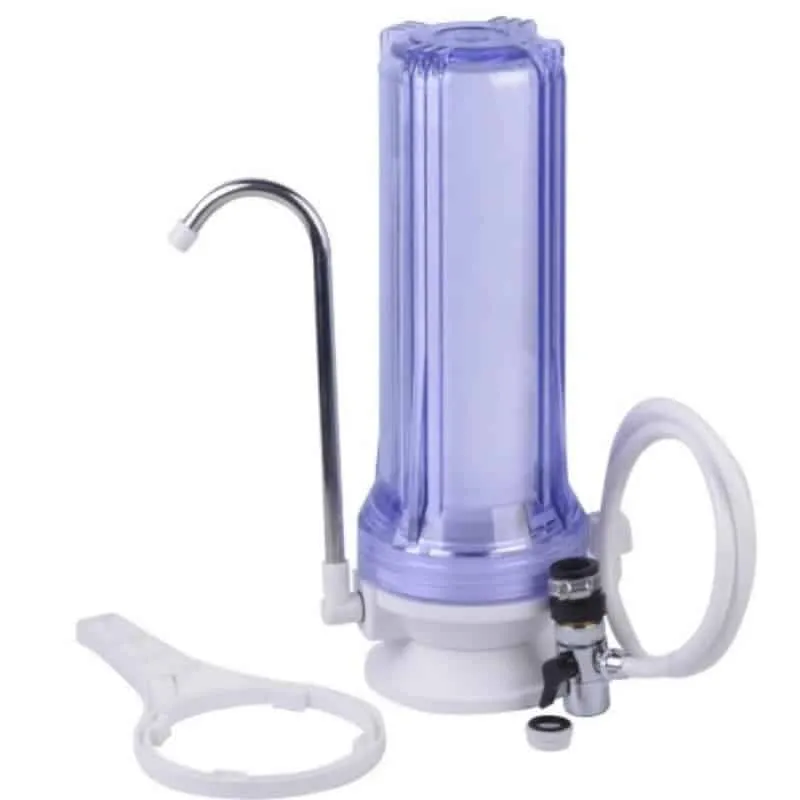

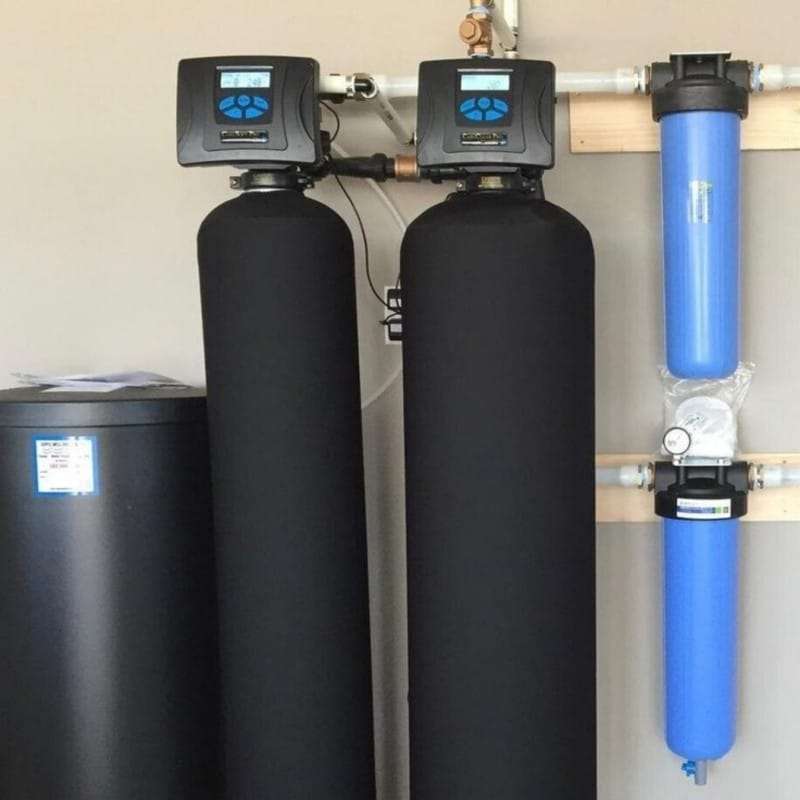

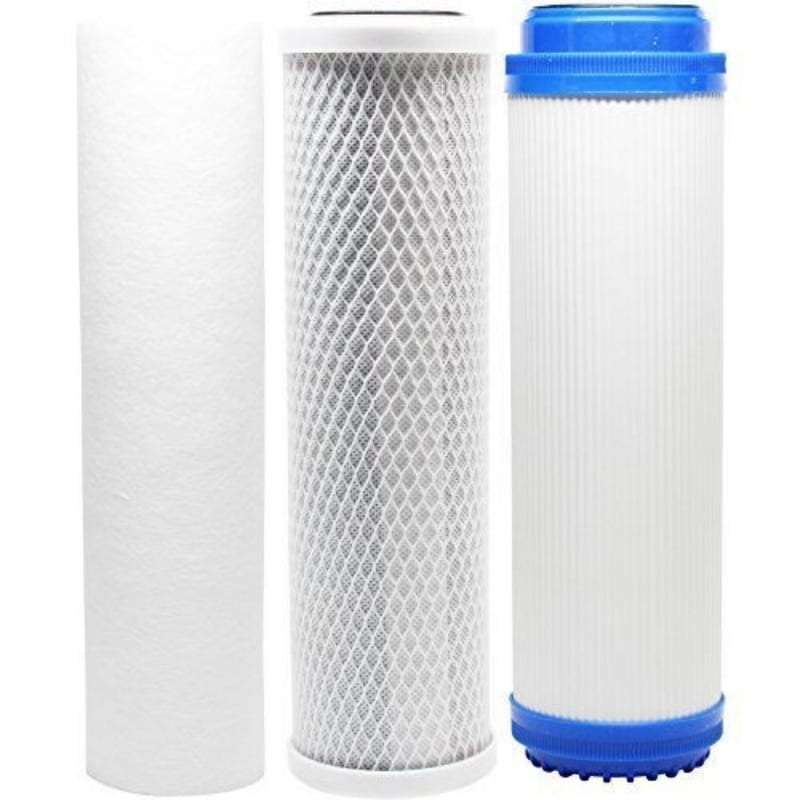


Customizing double-pass RO systems for lab purity means adjusting pre-treatment, membrane selection, system design, monitoring, and maintenance to meet your own purity goals. This setup gives steady high-purity water without acidic or caustic chemical additives. A properly set up double-pass RO system can achieve 99%+ contaminant rejection. The permeate from the first RO pass goes straight into a second pass, making ultrapure water with almost zero dissolved solids. This method meets strict water quality standards for labs. Each area comes with clear next steps. You will learn how to change your system to give very pure water that fits your exact water quality needs.
Key Takeaways
Test your feed water first. Then pick pre-treatment steps, like carbon filters or softeners, to protect your RO membranes.
Choose high-rejection, low-TOC membranes for your lab’s needs. This gives you ultrapure water with very few contaminants.
Build your system with recirculation loops and the right tank size. This keeps water pure and meets your highest demand.
Track conductivity, TOC, and flow at the point of use. That spots problems early and keeps water quality steady.
Clean regularly and replace cartridges on schedule. This keeps water pure and system working longer.
Double-Pass RO Systems and Purity Basics
How Double-Pass RO Works
A double-pass RO system moves permeate water from the first RO membrane unit into a second RO unit. This setup is often called a DPRO system. The first pass removes most of the contaminants. The second pass then cleans the water to meet strict lab purity standards. A break tank between the two passes stores the first-pass permeate. This tank then feeds the second pass for more filtration. Usually, only the first pass needs pre-treatment because its permeate feeds the second pass. The second pass receives already high-quality water.
The first pass removes over 99% of total dissolved solids. The second pass takes out another 95–98% of the remaining TDS. Together, a double-pass setup can remove up to 99.9% of impurities. The final permeate has a conductivity below 2 µS/cm. This purity level works for ultra-pure lab use. You can check conductivity nonstop to keep purity stable. This two-pass system makes water almost free of dissolved solids.
Parameter | First Pass | Second Pass | Combined Result |
|---|---|---|---|
Salt/TDS Rejection Rate | Over 99% | Additional 95–98% of remaining TDS | Up to 99.9% impurity removal |
Feed Source | Raw feed water | First-pass permeate | — |
Output Quality | High-quality permeate | Ultra-pure water | Conductivity < 2 µS/cm |
Why Labs Customize Instead of Standardize
Labs adjust double-pass RO systems to meet specific purity goals without acidic or caustic chemical additives. A standard single-pass vs double-pass comparison shows the two-pass system gives much higher quality permeate. Customization lets you shape each part to your feed water and compliance standards. For your exact needs, you adjust pre-treatment, membrane selection, and system design. This approach reaches high purity using only double-pass purification.
Custom double-pass RO systems usually have high salt rejection rates of 99.8–99.95%. Some setups reach 99.9% or higher. You pick RO membranes for your specific lab uses. That keeps water quality steady and lowers long-term costs. A customized reverse osmosis system gives you high-quality product water at lower cost. You avoid chemical additives while meeting strict lab standards.
Customizing Pre-Treatment for RO Systems
Pre-treatment guards the first RO membrane and protects the whole double-pass chain. This step must match your source water. Feed water quality controls every choice. Different feed water needs different defenses. A custom pre-treatment setup makes the membrane last longer and keeps later water quality steady.
Carbon Filtration and Softening
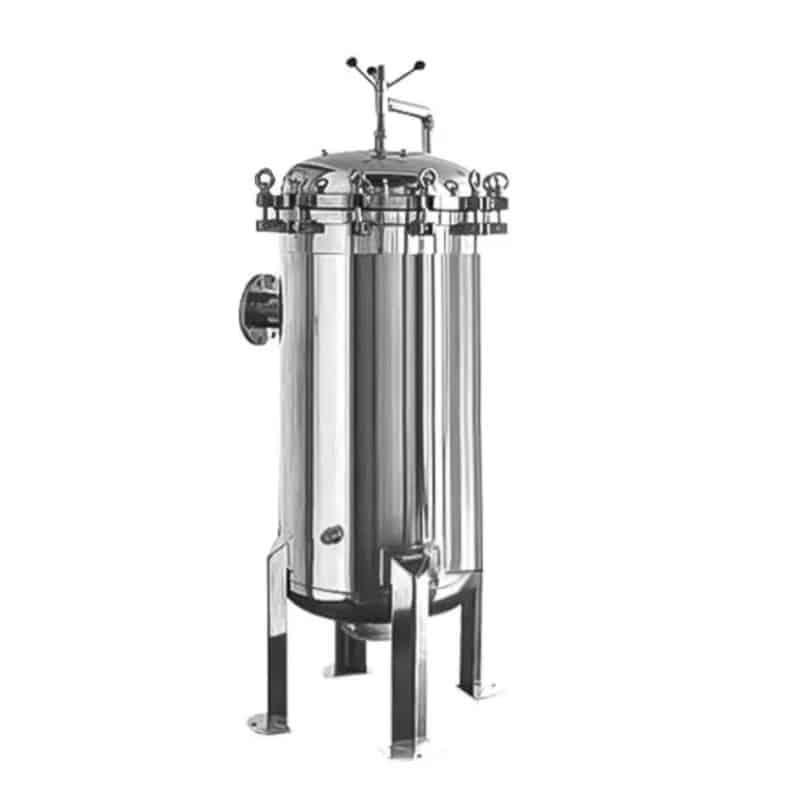
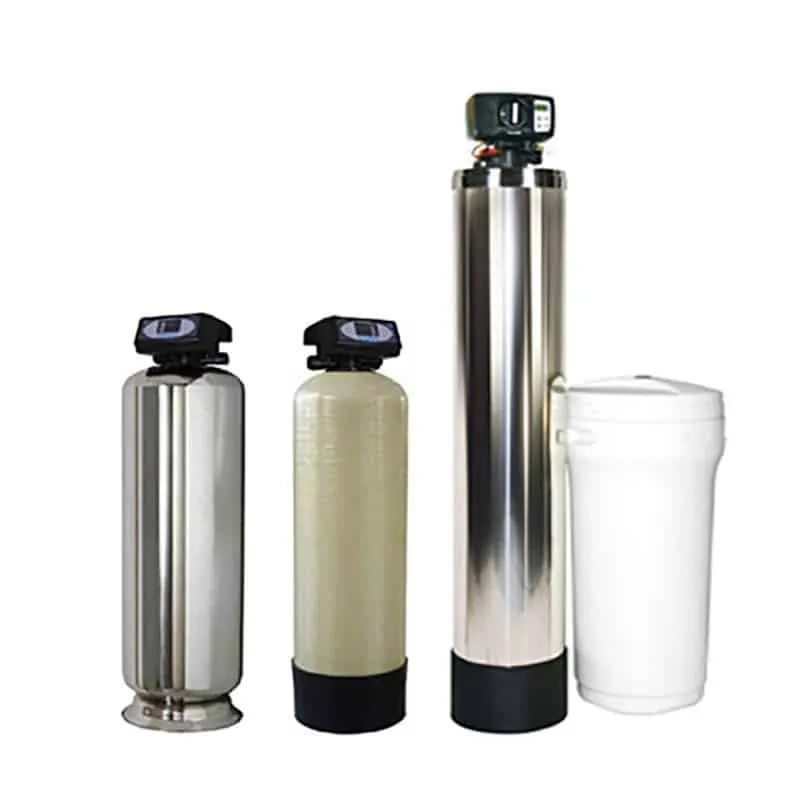
Start with a full feed water test. Check hardness, chlorine, and total organic carbon (TOC). These three things shape most pre-treatment choices. High chlorine and organics call for activated carbon filters. Put them ahead of the first RO pass. Those filters remove oxidants and organic matter before they reach the membrane.
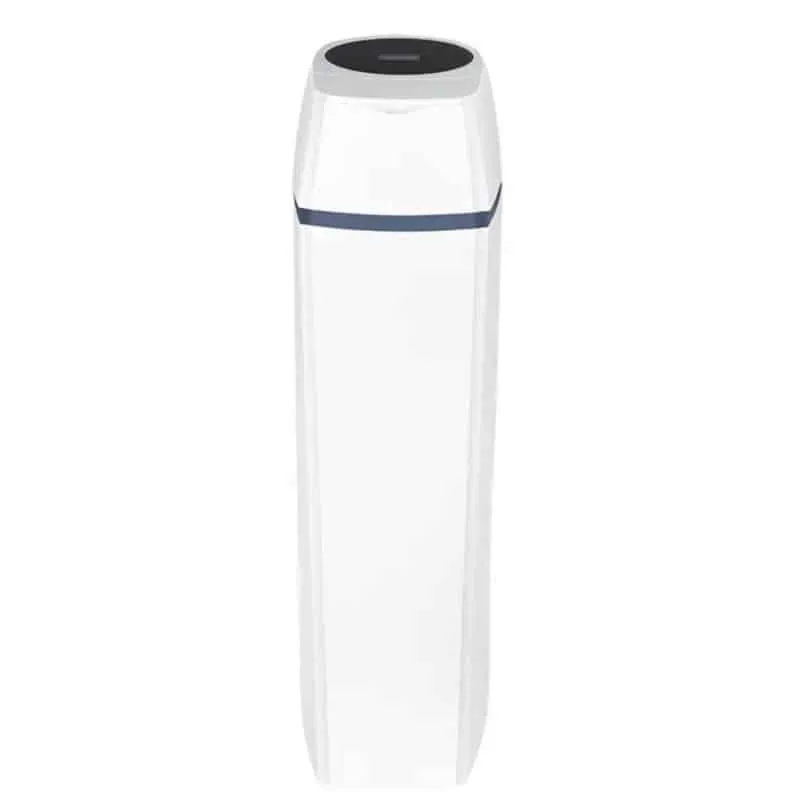
Hardness needs its own fix. Use a water softener to remove calcium and magnesium. This step stops scale on the membrane surface. Very hard water benefits from antiscalant dosing. Combine softening with antiscalant when hardness is very severe. These actions keep the reverse osmosis system working and predictable.
Feedwater condition | Pre-treatment adjustment for laboratory units |
|---|---|
High TOC/organics | Install activated carbon filtration ahead of the RO to cut organic load and reduce membrane fouling. |
High hardness | Soften water or add antiscalant before the first pass to stop scale on the RO membranes. |
High chlorine | Use carbon treatment or chemical dechlorination ahead of the membranes to prevent oxidant damage. |
Performance verification | Watch normalized flow, differential pressure, and conductivity to catch scaling, fouling, or oxidant breakthrough early. |
Adjusting for TOC, Hardness, and Chlorine
Your fix depends on the contaminant. High TOC needs activated carbon. Organic matter quickly fouls the first membrane. High hardness needs softening or antiscalant dosing before the first pass. High chlorine needs carbon treatment or chemical dechlorination. Chlorine harms thin-film composite membranes and causes permanent damage. Carbon filtration removes both chlorine and organics. It often becomes the main pre-treatment step.
Watch normalized permeate flow, differential pressure, and conductivity to catch scaling, fouling, or oxidant breakthrough early. Check these values weekly. A drop in permeate flow means fouling. A rise in differential pressure means scale. A sudden conductivity change means membrane damage. These checks ensure the permeate water continues to meet your water quality needs. Matching the pre-treatment to your feed water lets the double-pass system run at full efficiency.
Membrane Selection for Laboratory Purity

High-Rejection and Low-TOC Membranes
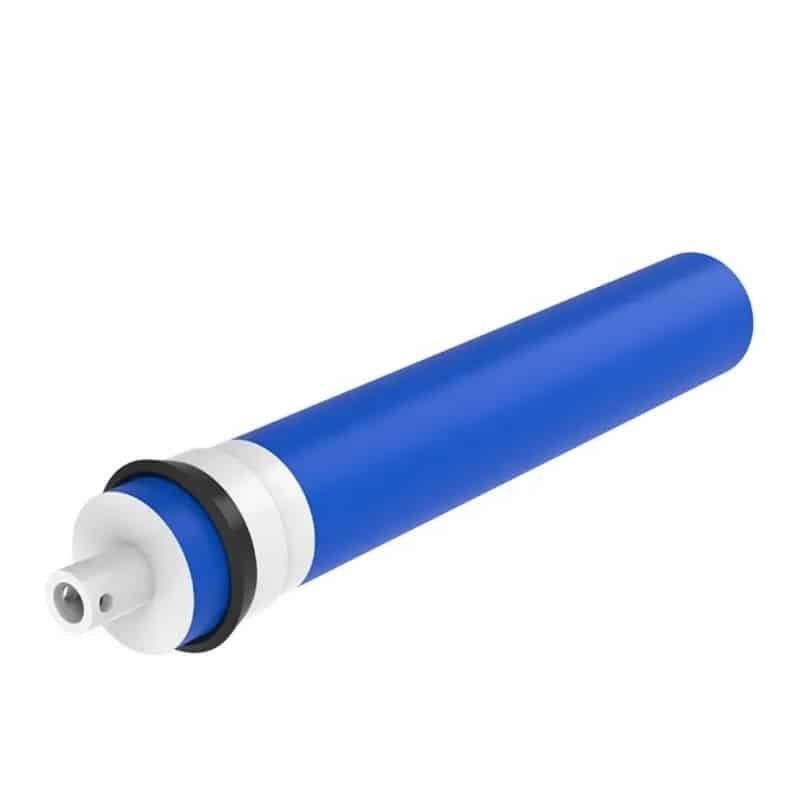
The membrane you pick sets the final purity of your double-pass system. Custom double-pass RO systems usually have high salt rejection rates of 99.8–99.95%. Some setups reach 99.9% or higher. You choose membranes that fit your target water quality. Thin-film composite membranes are the top choice for labs. They block salts well and handle the pressure a second pass needs.
Low-TOC membranes are key for sensitive work. Standard membranes release small amounts of organic carbon over time. That leachate raises TOC in your permeate. Low-TOC grades use different construction and rinsing methods. They release much less organic material into the product stream. You pair them with the carbon pre-treatment from earlier. Together, these choices keep TOC at the levels ultrapure uses require.
Check the rejection spec before you buy. A membrane rated at 99.8% salt rejection works differently from one rated at 99.95%. The second pass makes that gap bigger. Small differences in first-pass rejection add up across two stages. You also check the membrane’s pH tolerance and chlorine resistance. These limits shape how you run and clean the element.
Matching Membranes to Applications
Different lab and science uses need different membrane chemistry. Match the element to the job, not to a catalog default. The table below maps common jobs to good choices.
Application | Membrane priority | Why it fits |
|---|---|---|
General lab reagent water | High salt rejection, standard TFC | Balanced purity and cost for routine work |
Trace organic analysis | Low-TOC, low-leachate element | Protects TOC-sensitive instruments |
Ultrapure water systems feed | Highest rejection, tight spec | Feeds polishing steps with stable permeate |
Water for injection pre-treatment | High rejection, sanitization-friendly | Withstands hot water or chemical sanitization |
For ultrapure water systems, you often pair double-pass RO with electrodeionization. The RO stages do most of the work. The electrodeionization step polishes what is left. This setup reaches purity levels no single technology can reach alone. For water for injection, you pick membranes that survive repeated sanitization. A membrane that breaks down under heat ruins your water quality and your compliance record.
Match membrane chemistry to your feed water too. Softened feed handles tighter elements. Hard feed needs more fouling-resistant surfaces. You confirm each choice with a pilot run when the stakes are high. Track permeate conductivity and TOC across the run. The data tells you if the membrane holds its rating over time. A membrane that meets spec on day one but drifts by month three fails the real test. Choose elements with documented stability, and revisit the selection whenever your feed water or purity target changes.
System Design and Permeate Water Flow
Staging and Recirculation Loops
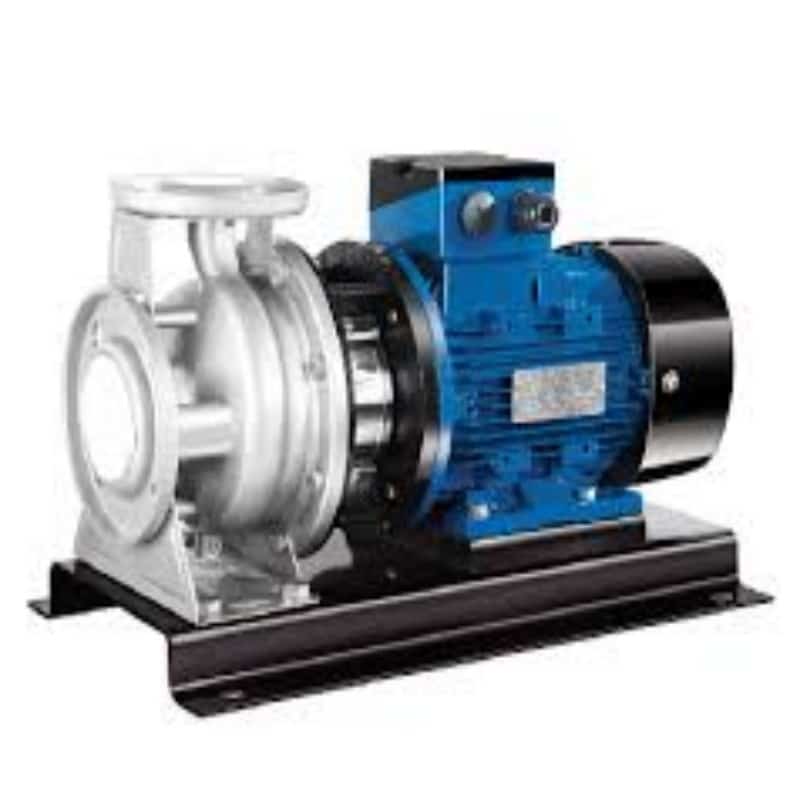
After the first RO membrane unit, a second high-pressure pump pushes permeate water to a second RO membrane for more cleaning. This double-pass setup creates a polishing stage that takes out leftover salts, silica, and carbon dioxide. The table below shows how each stage helps reach final purity.
Stage | Feed Source | Purpose | Permeate Output | Reject Handling |
|---|---|---|---|---|
First Pass RO | Raw or pretreated water (high TDS) | Remove most salts, hardness, silica | 5–200 ppm TDS (medium purity) | High-TDS brine to drain |
Second Pass RO | First-pass permeate (low TDS) | Polish remaining salts, boron, silica, CO₂ | 0.5–5 ppm TDS, conductivity <10 µS/cm | Low-TDS reject recycled to first-pass feed |
Staging raises final purity from about 20–40 ppm down to 1–2 ppm TDS. That level works for EDI or mixed bed polishing to reach near zero TDS. You can customize double-pass ro systems to fit production capacities from 500 L/H up to 100 T/H. The second-pass reject is not thrown away. You send this low-TDS permeate stream back to the first-pass feed tank. This step saves water and boosts overall recovery.
Continuous recirculation through polishing is your main defense. Never depend on dead storage to keep water grade. Still volumes lose purity fast. Ultrapure water picks up ions from stagnant resin and dead-legs. Any non-circulating volume drops in quality. When water touches air, it absorbs CO₂ and forms carbonic acid. Resistivity falls sharply within minutes. Recirculation and nitrogen blanketing fight this effect. You pick inert wetted materials like PVDF, PP, or electropolished 316L. Stay away from PVC and yellow metals. These materials leach ions and plasticizers that raise TOC. Watch resistivity at the point of use, not just the skid outlet. Reduce dead-legs in your design. Stable ultrapure water lowers resin and membrane OPEX, stops fouling, and supports high uptime.
Sizing Tanks, Pumps, and Distribution
System optimization for specific purity targets gives high-quality product water at lower cost. Size your tank, pump, and piping for peak simultaneous demand, not average daily consumption.
The tank, pump, and piping in a high-purity water distribution system must be sized for peak simultaneous demand, not merely average daily consumption.
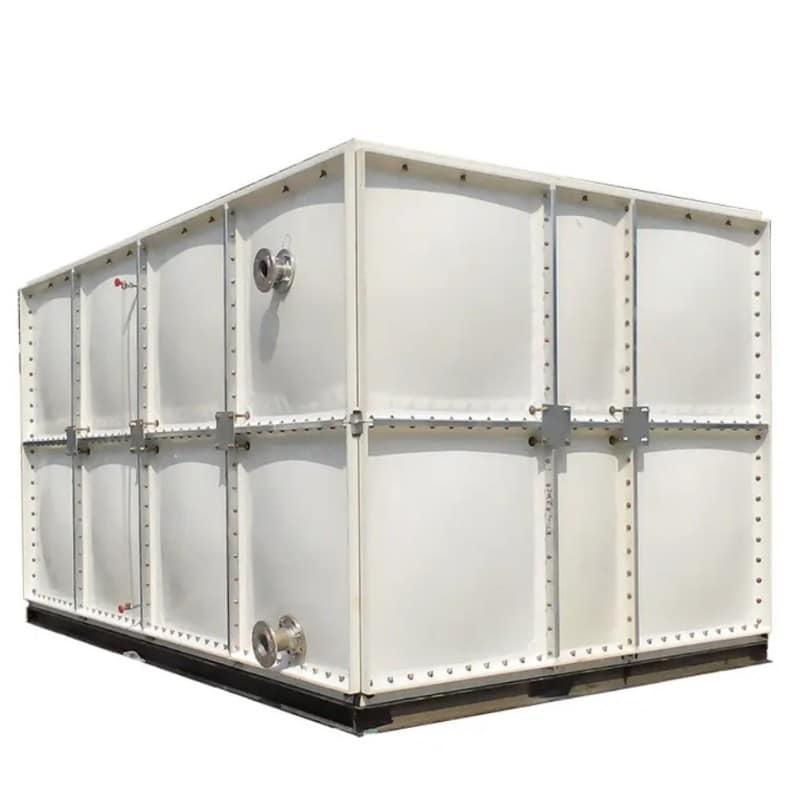
Tank volume should be at least 10 times your distribution flow rate in gallons. A 120 GPM distribution system needs a minimum 1,200-gallon tank. This rule makes sure the full tank turns over about every 10 minutes. It also gives thermal stability and bubble control at pump suction. A tank that is too small brings heat and air into the loop. It causes uneven pressure or pump cavitation.
Keep distribution loop pipe velocity between 3 and 5 feet per second. Below 3 fps, you risk bacterial growth. Above 5 fps, you risk high pressure drop and long-term wear on fittings and valves. These guidelines keep your reverse osmosis system working at its best. They protect water quality at every point of use.
Monitoring, Control, and Maintenance
Conductivity, TOC, and Flow Sensors
You keep an eye on permeate quality with the right sensors in the right places. Conductivity shows dissolved ionic impurities as they happen. Every laboratory water system shows this reading. TOC measures tiny organic contamination that could mess up biological assays. A separate TOC analyzer does this job because a conductivity reading alone cannot confirm organic levels. Flow sensors watch permeate production and spot fouling early. You put these sensors on the distribution loop, not just at the system outlet.
The table below shows each parameter, its monitoring approach, and the CLRW specification.
Parameter | Monitoring Approach | CLRW Specification |
|---|---|---|
Resistivity / Conductivity | Continuous, real-time | ≥10 MΩ·cm at 25°C |
TOC | Periodic (separate analyzer) | < ~500 µg/L |
Bacteria | Periodic (culture or ATP test) | < ~10 CFU/mL |
Particulates | Periodic | 0.22 µm filtration |
ISO 3696 on purpose does not list pH for Grade 1 and Grade 2 water. pH measurement in very low-conductivity water is not reliable and has no real meaning. This is why pH almost never serves as a release criterion for ultrapure water in practice.
Routine monitoring at the point of use — not just at the system outlet — is essential for sustained compliance. Distribution loop biofilm, storage tank contamination, and degradation of ion exchange resins can all degrade water quality between the treatment system and the application.
Sanitization and Cartridge Replacement
You sanitize your double-pass system on a set schedule to keep high microbiological purity. Heat or chemical sanitization kills biofilm in tanks, loops, and membrane housings. You replace carbon cartridges when chlorine breakthrough shows up. You swap pre-filters at a set differential pressure limit. Membrane elements last longer but need replacement when normalized permeate flow drops beyond recovery.
For clinical analyzer feed water, CLRW requires conductivity ≤0.1 µS/cm and TOC <50 ppb. HPLC mobile phase preparation follows ISO 3696 Type 1: conductivity ≤0.1 µS/cm and particulate-free water. You confirm these limits against the current edition of CLSI GP40, since CLSI has revised this guidance many times. Post treating permeate water with polishing steps keeps you inside these bounds. Your water quality requirements drive every maintenance interval.
You now see how adjusting pre-treatment, membranes, system design, monitoring, and maintenance gives labs the ultrapure water they need. Fitting each part to your feed water and rules keeps performance steady and cuts long-term costs. Your double-pass system rewards this care with stable permeate quality.
Before you pick or change double-pass ro systems, check your purity needs and feed water profile. Test your water, set your target, and match every stage to that goal. A double-pass ro system built for your needs protects your work. Your permeate stays clean, your water quality holds steady, and your double-pass investment pays off for years.
FAQ
What purity level can a customized double-pass RO system reach?
A well-built double-pass system removes up to 99.9% of impurities. Final permeate conductivity usually falls below 2 µS/cm. You reach this purity without acid or caustic chemical additives. Pair the system with polishing steps like EDI or mixed bed for ultrapure use.
How do I know which pre-treatment my feed water needs?
First, test your feed water for hardness, chlorine, and TOC. High chlorine or organic matter needs activated carbon filtration. High hardness needs softening or antiscalant dosing. Match each pre-treatment step to your exact contaminant profile. This protects your membranes and keeps permeate quality steady.
Can I customize production capacity for my lab?
Yes. You can customize double-pass RO systems for production capacities from 500 L/H up to 100 T/H. Size your tank, pump, and piping for peak demand all at once. Tank volume should be at least 10 times your distribution rate. Keep loop velocity between 3 and 5 feet per second.
What sensors do I need for continuous purity monitoring?
Install conductivity sensors to track ionic impurities live. Add a separate TOC analyzer for organic contamination. Flow sensors catch fouling early. Place sensors on the distribution loop, not just at the system outlet. This meets standards at every point of use.
How often should I sanitize and replace components?
Sanitize on a regular schedule to control biofilm in tanks, loops, and housings. Replace carbon cartridges when chlorine breaks through. Swap pre-filters at your differential pressure limit. Replace membrane elements when normalized permeate flow drops beyond recovery. Your water quality needs set every maintenance interval.







 English
 Chinese
 German
 Russian
 Japanese
 French
 Dutch
 Italian