





No single method fixes every drug factory wastewater problem. The best choice depends on your wastewater, your legal limits, and your budget. Most of the time, using several methods together works better than just one.
Start by getting a clear picture of your own wastewater. Next, compare the available technologies side by side. Then score each option against four things: how well it treats the water, cost, environmental impact, and following the rules. This order keeps the decision based on facts, not habit.
Good wastewater treatment rarely comes from one step. Smart water treatment planning builds a chain of steps, and each step earns its place. Test the water treatment train before you commit.
Key Takeaways
Begin by testing your wastewater to learn what it contains and how its flow changes.
Compare treatment methods side by side to find the best fit for your needs.
Give each option a score for how well it treats the water, its cost, its effect on the environment, and whether it meets the rules.
Always do a small test run before you commit to a full-size system.
Use several methods together in a row to get the best results.
Understand Your Pharmaceutical Wastewater
Sources and Contaminants
Your plant does not make just one wastewater stream. It makes many. Drug manufacturing, fermentation, reactor cleaning, equipment washdowns, clean-in-place systems, lab work, and packaging all send water to the drain. Each source carries its own load. Batch kettle washouts come with high contaminant levels. Vacuum distillation produces jet water full of lighter reaction components. Filtration leaves either a filter cake or a dirty filtrate. Spills and off-quality material add even more.
You must find these contaminants before you design or run any treatment system. The pharmaceutical sector deals with a wide mix: active ingredients, solvents, aromatics, heterocycles, and cleaning chemicals. Some of these compounds resist normal biological breakdown. Antibiotics and solvents can even stop the microbes your biological stage needs. Peer-reviewed studies show that biological plants can reach high COD removal while removing less than 10% of certain antibiotics like ampicillin and aureomycin. High COD removal alone does not prove you are removing the contaminants that matter.
Characteristics That Drive Selection
Your wastewater makeup decides which methods fit. Measure these traits first, then match the technology to them.
Characteristic | Typical observation | Implication for treatment selection |
|---|---|---|
High COD and BOD | 2,000–50,000 mg/L | Needs strong load-reduction stages before or alongside biological treatment |
Toxic or inhibitory compounds | Antibiotics suppress microbial activity | Biological treatment alone is unreliable; add pretreatment or advanced oxidation |
Low biodegradability | Low BOD/COD ratio | Conventional activated sludge falls short; favors advanced oxidation or membranes |
Complex organics | Aromatics, heterocycles, solvents | Resists biological breakdown; needs targeted or advanced processes |
Variable flow and composition | Batch production shock loads | Requires equalization and a flexible, staged train |
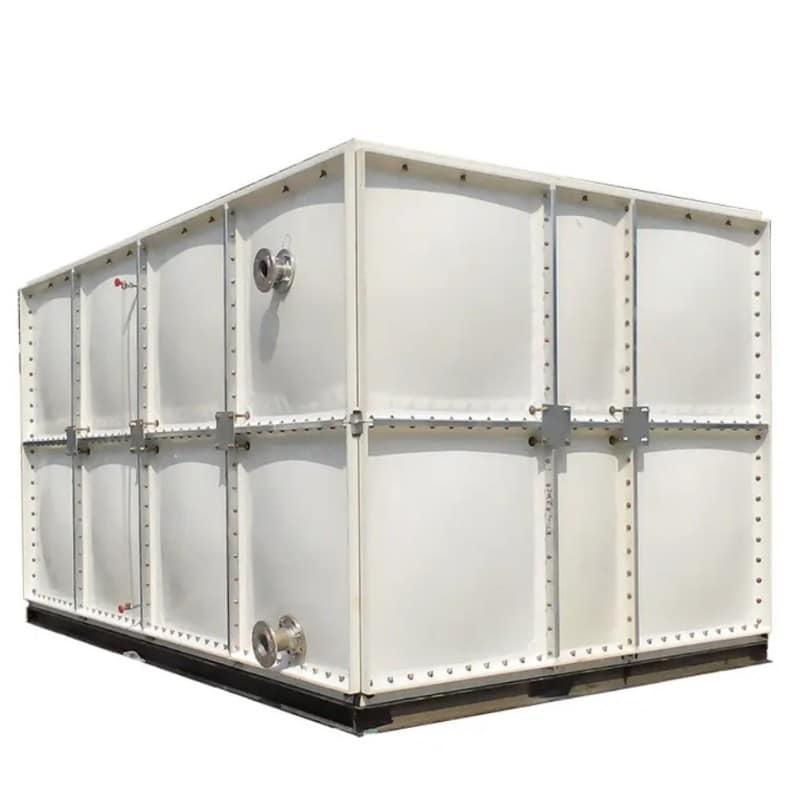
Batch manufacturing creates big swings in both flow and strength. Equalization is one of the most important sections of a pharmaceutical wastewater treatment plant. Aerated equalization tanks steady the flow, reduce shock loads, and blend the stream. Sequencing batch reactors give you another flexible option. Your system must adapt as production changes, because a new product line can shift the whole wastewater profile.
Compare Wastewater Treatment Technologies

Chemical vs. Biological Process
There is no clear winner in the chemical vs. biological process debate. Each one fits a different job. Chemical wastewater treatment works well for high levels of toxic material, like heavy metals and complex molecules. Biological wastewater treatment works well for high levels of material that living things can break down. That is why many facilities run chemical treatment first and biological treatment second.
Biological wastewater treatment methods usually cost less than chemical ones. A factory in India switched from chemical to biological treatment and saved money while getting better results. Chemical treatment needs reactants you have to buy, and that is a big cost driver. Biological systems do not need reactants, but they do need large tanks, aerators, and trained operators. Energy is a real budget line too: in the U.S., energy makes up 25%–40% of a plant’s total operating budget.
Performance tells its own story. One biological system reached 91.80% removal of TSS, 86.81% of BOD5, and 72.29% of COD. It removed less of other indicators, down to 58.8% for sulfate.

Biological treatment makes less sludge and stays friendly to the environment. It can still struggle with drug residues and toxic shocks. Chemical methods handle complex molecules well but can make more toxic by-products. Hybrid systems that mix chemical and biological treatments can create bioenergy and lower operating costs.
Process type | Removal efficiency | Cost | Energy use | Operational notes |
|---|---|---|---|---|
Aerobic – biological nitrogen removal | Removes BOD and nutrients; reduces toxic pollutants | Economically viable | Not specified | Toxicity inhibits bacteria; sludge swelling |
Aerobic – sequencing batch reactor | High efficiency; stable | High investment and operating costs | Energy from biogas | Sludge settling time; low pathogen content |
Aerobic – membrane bioreactor | High-quality effluent; captures biomass | Expensive; high operating and maintenance costs | High energy consumption | Fouling; limited membrane life |
Anaerobic – up-flow | High processing capacity; efficient | Less investment | Not specified | Complex management; expertise needed |
Anaerobic – filters | Efficient; handles hydraulic shock loads; less sludge | Low cost | Not specified | Filter cleaning and blocking |
Advanced and Membrane Methods
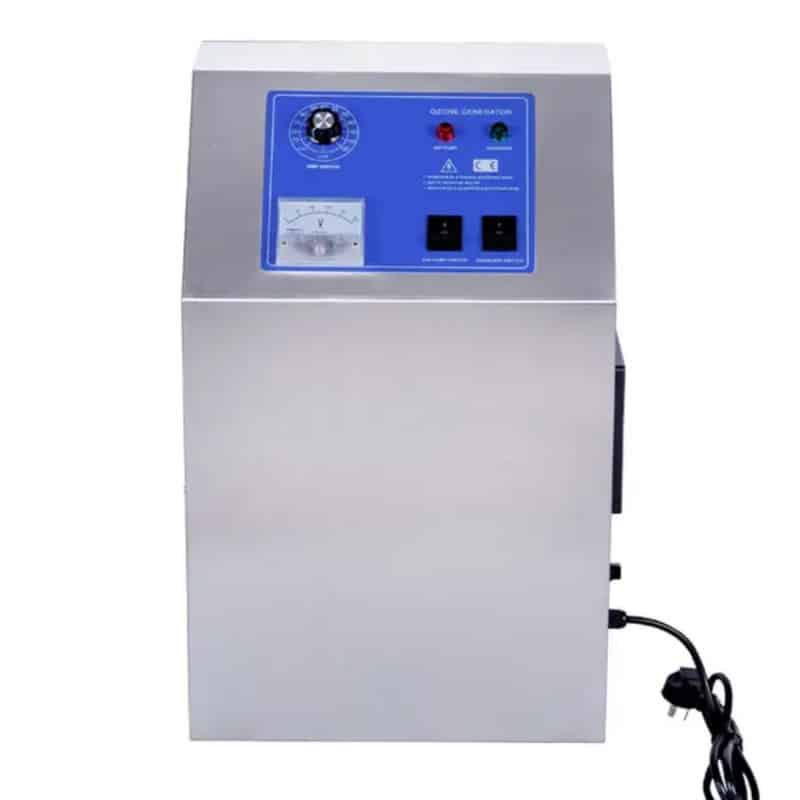
Advanced oxidation methods (AOMs) such as photocatalysis can fully break down many harmful pharmaceutical compounds. Ozonation removed carbamazepine completely within 20 minutes and reached 95% TOC removal within 120 minutes. A Fenton process broke down amoxicillin completely within 12 ± 2 minutes. These methods use a lot of energy, so you use them as targeted polishing rather than primary treatment.
Membrane distillation can concentrate pharmaceutical wastewater and cut the volume sent for incineration. It runs at low operating temperatures of roughly 30–90 °C and at lower pressure than pressure-driven processes. It keeps up to 100% of solids and nonvolatile contaminants. Watch for membrane pore wetting, low permeate flux, and high thermal energy demand.
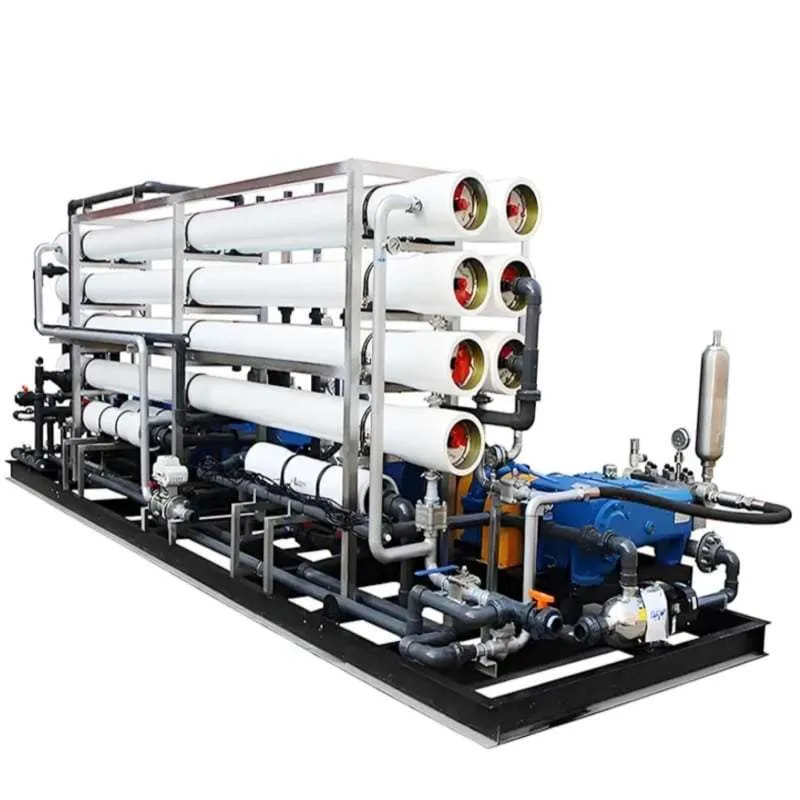
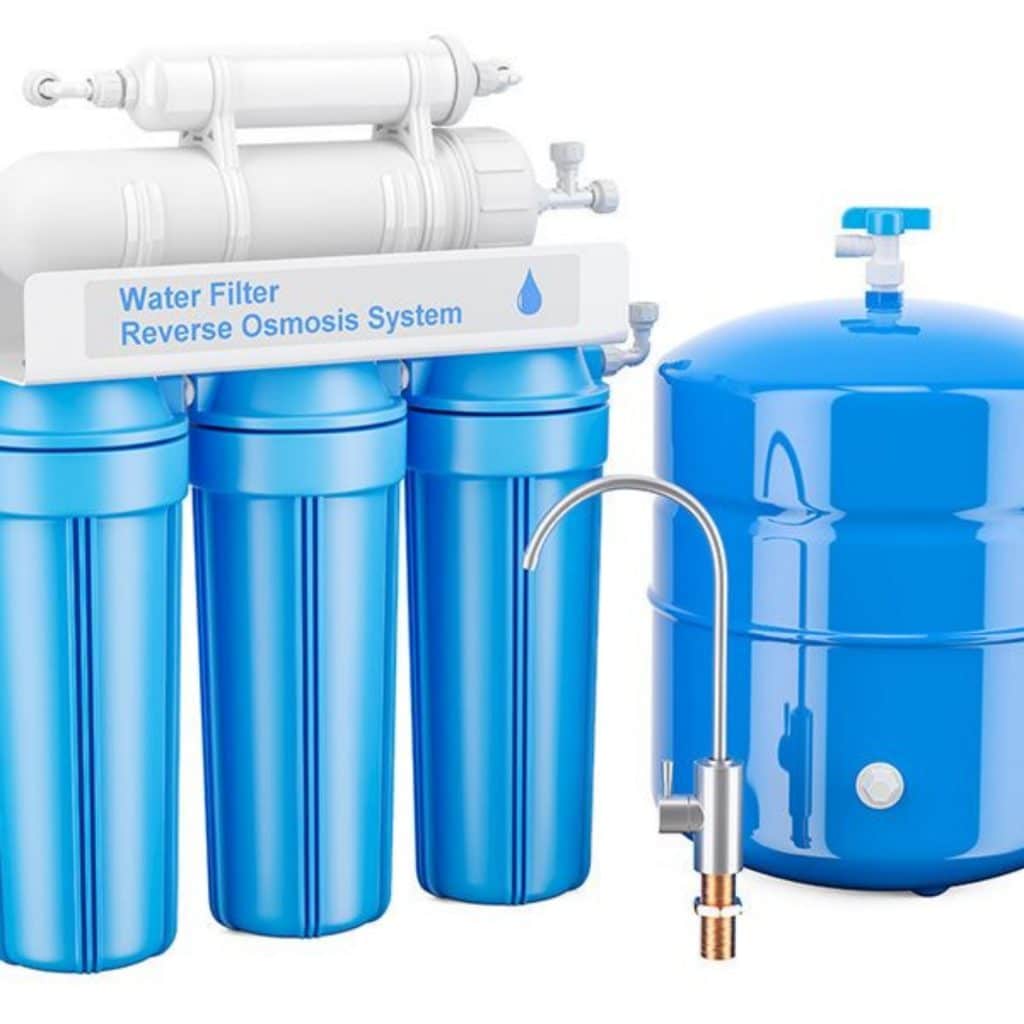
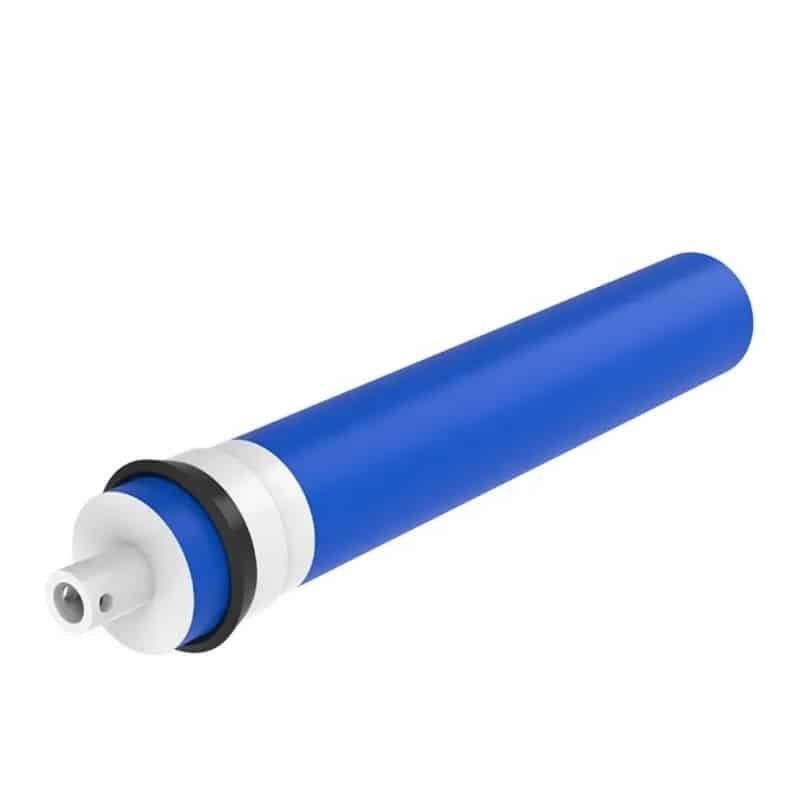
Reverse osmosis technology blocks dissolved salts and trace pollutants. Reverse osmosis fits best where high-purity reuse water is the goal, and brine management is the key challenge. Reverse osmosis and NF are not suitable for certain streams, such as those with high fouling potential or extreme salinity. Membrane filtration, reverse osmosis, and activated carbon often work alongside traditional methods. Commercial activated carbon systems remove 60–90% of most pharmaceutical compounds. Use these key water treatment technologies as polishing steps in your train.

Apply Water Treatment Selection Criteria

Efficacy, Cost, and Impact
Give each option on your short list a score for four things, then add up the scores. Begin with how well it treats the water. Set a target for each pollutant you must remove. A good biological system removed 91.80% of TSS, 86.81% of BOD5, and 72.29% of COD. Use those numbers as the lowest bar, not the highest. Next, score the cost. Include chemical prices, energy use, and repairs. Chemical and biological wastewater treatments cost very different amounts. Biological methods usually cost less, and one Indian factory saved money after switching from chemical to biological treatment. Then score the environmental impact. Anaerobic steps make methane, aerobic steps make CO2, and energy use adds pollution. Sludge is hard to handle because of the contaminants in it. Using less energy and recycling waste lowers the harm.
Criterion | What to score | Practical check |
|---|---|---|
Efficacy | Removal against your permit limits | Meets or beats the benchmark figures above |
Cost | Chemicals, energy, maintenance | Whole-life cost, not purchase price |
Environmental impact | Emissions, sludge, energy source | Lower energy and less sludge win |
Compliance | Federal and local limits | Every parameter covered |
Score regulatory compliance last, but never leave it out. Under 40 CFR Part 439, any discharge subject to BPT, BCT, or NSPS limits must keep pH between 6.0 and 9.0. That rule makes neutralization a required step in your train. The same rule requires a BOD5 reduction of at least 90% of the long-term average daily load and a monthly average no lower than 45 mg/L. COD needs at least 74% reduction and no less than 220 mg/L. Your permit also requires monitoring for each regulated pollutant you make or use, unless you monitor a surrogate. Facilities that send process wastewater to a POTW must meet 40 CFR Part 403 pretreatment standards.
Best Available Technologies (BAT): Many regulations require industries to use the most effective and advanced treatment technologies economically achievable.
Compliance and Pilot Testing
Run a pilot before you spend the money. A pilot proves your system choice can handle changing characteristics and production changes. Make the pilot at least 1:100 the size of full scale, and prefer 1:50 where fouling is the main risk. For biological systems, how long you run it matters more than its size. Plan at least 60 days for activated sludge and at least 90 days for a membrane bioreactor. Use safety factors of 1.25–1.5 for proven technologies and 2.0 or higher for new ones. Skipping these steps costs money. One facility that piloted at 1:500 scale got only 55% of its designed flux at full scale.
Think about a real example. A drug plant in the Northeastern United States had high COD and high ammonia. It combined pretreatment, biological treatment, and polishing steps: a membrane bioreactor for COD and ammonia removal, advanced biological nutrient removal, and UV disinfection before wastewater discharge. COD dropped by more than 95% and ammonia by 98%. That is chemical and biological processes working together as one train, with reverse osmosis kept in reserve for reuse duties. Reverse osmosis fits high-purity reuse goals, and reverse osmosis brine management is still the key challenge. Membrane filtration, reverse osmosis, and activated carbon work best as polishing steps. Use this industrial wastewater treatment method framework to compare vendors fairly, and revisit your process water and wastewater treatment choices as rules and production change.
Your decision follows a clear order. First, study what is in your wastewater. Then list the methods that fit it. Next, score each one on how well it works, cost, environmental impact, and following the rules. That order keeps your choice based on your data.
Using several methods together is often the practical answer for wastewater treatment. Pilot testing shows the train can handle changing loads before you commit to full scale. Treat the pilot as a required step, not an optional one.
Look at your water treatment choices again as rules get stricter and production lines change. A method that works today may not work in five years. Build review into your industrial wastewater plan, and your water treatment system will keep up.
FAQ
Which method should you try first?
Start by studying your water, not by picking equipment. Measure COD, BOD, toxicity, and changes in flow. Then make a short list of methods that fit those numbers. Equalization belongs in almost every treatment train. It smooths out shock loads from batch production. Before you buy anything, score your short list on how well it works, cost, environmental impact, and following the rules.
Can one method handle everything?
Rarely. Biological steps remove most of the organic load well. They have trouble with antibiotics and solvents that stop microbes from working. Chemical and advanced steps fill that gap. Most plants combine pretreatment, biological treatment, and polishing. Think of each stage as one link in a single water treatment train.
How long should a pilot run?
Long enough to see your worst-case loads. Plan at least 60 days for activated sludge and at least 90 days for a membrane bioreactor. Make the pilot 1:100 of full scale, or 1:50 where fouling is the main risk. Use safety factors of 1.25–1.5 for proven technologies.
Which rules shape the choice?
Your permit drives the design. Under 40 CFR Part 439, pH must stay between 6.0 and 9.0. BOD5 needs at least 90% reduction, and COD at least 74%. Facilities that send water to a POTW must meet 40 CFR Part 403 pretreatment standards. Check every parameter before you finalize the water treatment design.
Where do advanced methods fit?
Use them as targeted polishing, not primary treatment. Ozonation removed carbamazepine completely within 20 minutes. Activated carbon systems remove 60–90% of most pharmaceutical compounds. Membrane distillation runs at roughly 30–90 °C and concentrates the stream, which cuts the volume sent for incineration. Place these steps after biological treatment in your industrial wastewater train.








 English
 Chinese
 German
 Russian
 Japanese
 French
 Dutch
 Italian