





Characteristics and Challenges of Automotive Painting Wastewater
Contaminant Types
Treating automotive paint wastewater is hard. The water from painting cars has many contaminants. These come from paint, solvents, and cleaning agents. You need to know what is in the wastewater first. This helps you clean it better.
Here is a table that lists the main contaminants you will find:
Contaminant Type | Description |
|---|---|
Total Suspended Solids | Particles floating in water that make it unclear and lower quality. |
Chemical Oxygen Demand (COD) | Oxygen needed to break down organic stuff. |
Turbidity | Water looks cloudy because of tiny particles. |
Organic Matter | Carbon-based things that break down over time. |
Heavy Metals | Dangerous metals that can build up in nature and living things. |
Paint industry wastewater often has lots of total suspended solids. These solids come from paint overspray and cleaning. Heavy metals like lead, cadmium, and chromium are also found. Organic pollutants such as diisocyanates and VOCs are common too. The painting process changes the types and amounts of contaminants. If you use water-based paints instead of solvent-based paints, the wastewater changes. The raw waste tank usually has the most VOCs. Each treatment step changes the water’s makeup.
Tip: You can remove more total suspended solids by using good filters and settling tanks.
PWIS Challenges
You also have to handle paint wastewater impurity substances (PWIS). These are tough to get rid of and cause problems in paint industry wastewater. PWIS come from many places in automotive painting. You might see them from lubricants, release agents, and plasticizers. Drawing residues, hoses, and sealing compounds add more impurities. Room air technology and compressed air systems bring in extra contaminants. Carry-overs from other production areas make things worse. You should watch out for cleaners, adhesives, cosmetics, clothing care products, and even food or drink residues.
PWIS make treating wastewater harder. They can change how well you remove total suspended solids. You need special steps to control these substances. If you do not manage PWIS, you may have trouble following environmental rules for paint industry wastewater.
Advanced Treatment Technologies and Processes

Physical-Chemical Methods
You can clean paint wastewater with physical-chemical methods. These methods help take out heavy metals, organics, and suspended solids. Coagulation and flocculation are two common steps. You add chemicals to the water. The chemicals make small bits stick together. The bigger clumps sink or float. You can remove them without much trouble.
Here is a table that shows how well coagulation and flocculation work for heavy metals:
Contaminant | |
|---|---|
Nickel | 68% |
Lead | 88% |
Dissolved air flotation and electroflotation help separate paint sludge and solids. Flotation uses bubbles to lift particles up. You skim the sludge off the top. Electroflotation makes bubbles with electricity. A continuous-flow electroflotation reactor treats lots of paint industry wastewater. This method takes out more suspended solids and paint sludge.
Advanced oxidation processes break down tough organic pollutants. These use strong oxidants to destroy hard-to-remove chemicals. You can use Fenton’s reagent, ozone, or sulfate radicals. Sulfate radical advanced oxidation processes work well. They have higher redox potential and last longer. They also work in moderate pH. You get better removal of stubborn organics in paint industry wastewater.
Tip: You can use coagulation, flocculation, and flotation together. This gives you cleaner water before the next step.
Biological Processes
Biological processes help remove organic matter from paint wastewater. Microorganisms eat the organic pollutants. They turn them into harmless things. You can use activated sludge systems, moving bed biofilm reactors, or membrane bioreactors. These systems work well for paint industry wastewater with lots of organics.
Membrane bioreactors mix biological treatment with membrane filtration. You get very clean water and better removal of organics. You can reuse this water in your facility. Biological processes help you meet environmental rules for paint wastewater.
Membrane Systems
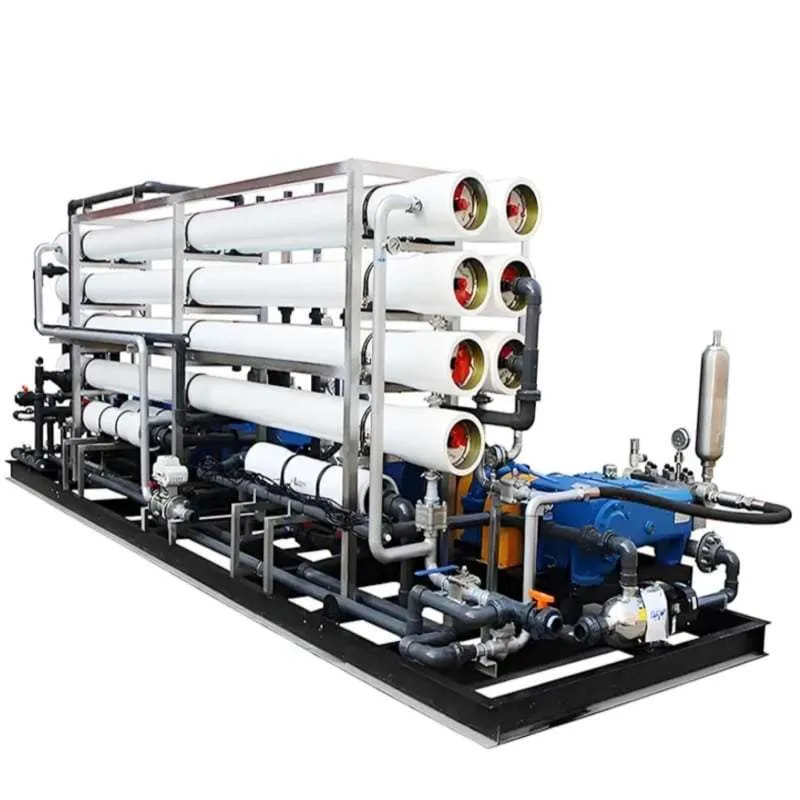
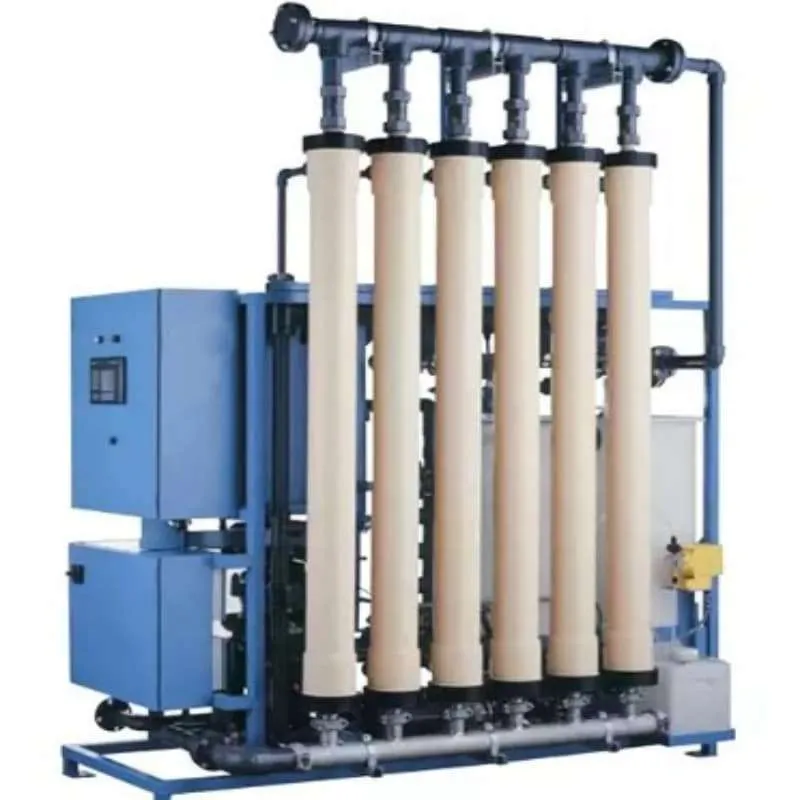
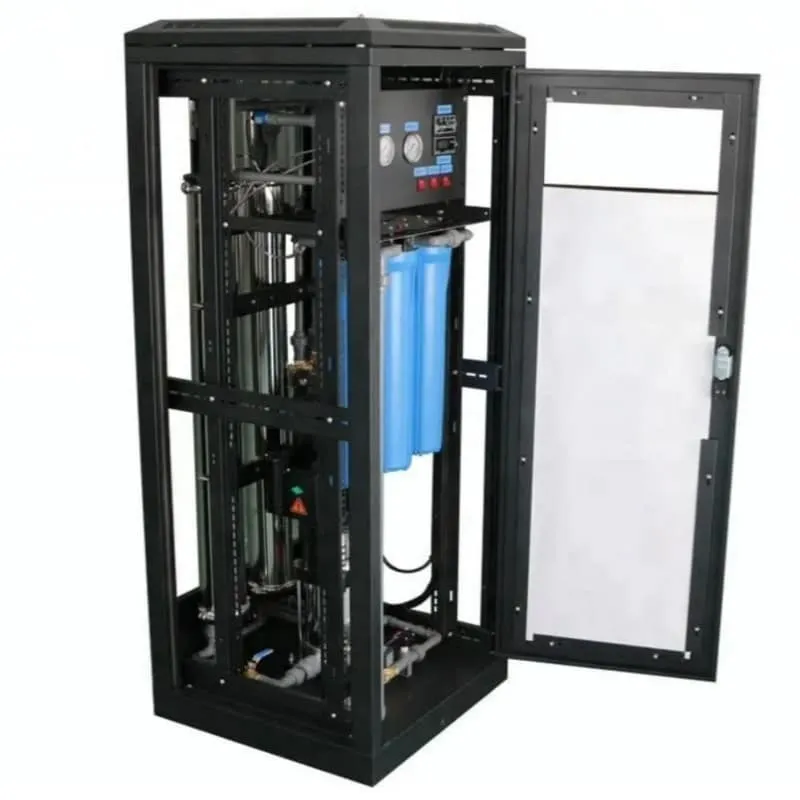
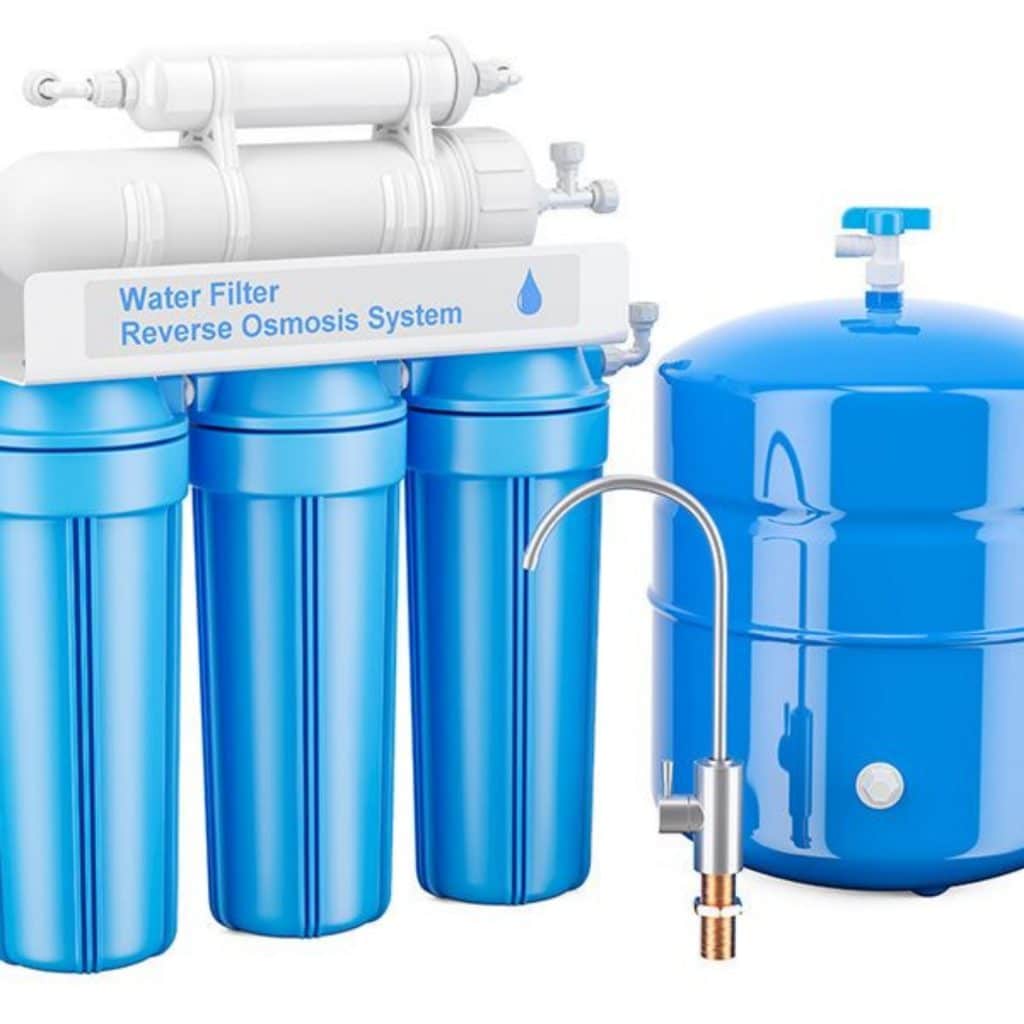
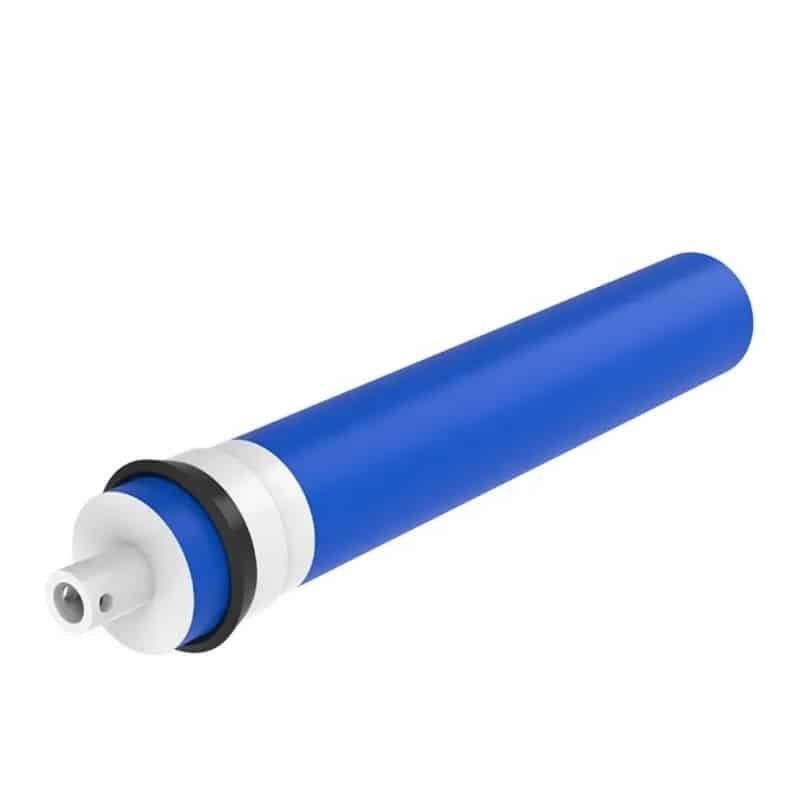
Membrane systems separate clean water from contaminants. You can use ultrafiltration, nanofiltration, and reverse osmosis for paint wastewater. These systems remove small particles, dissolved solids, and organics. You get clean water for reuse or discharge.
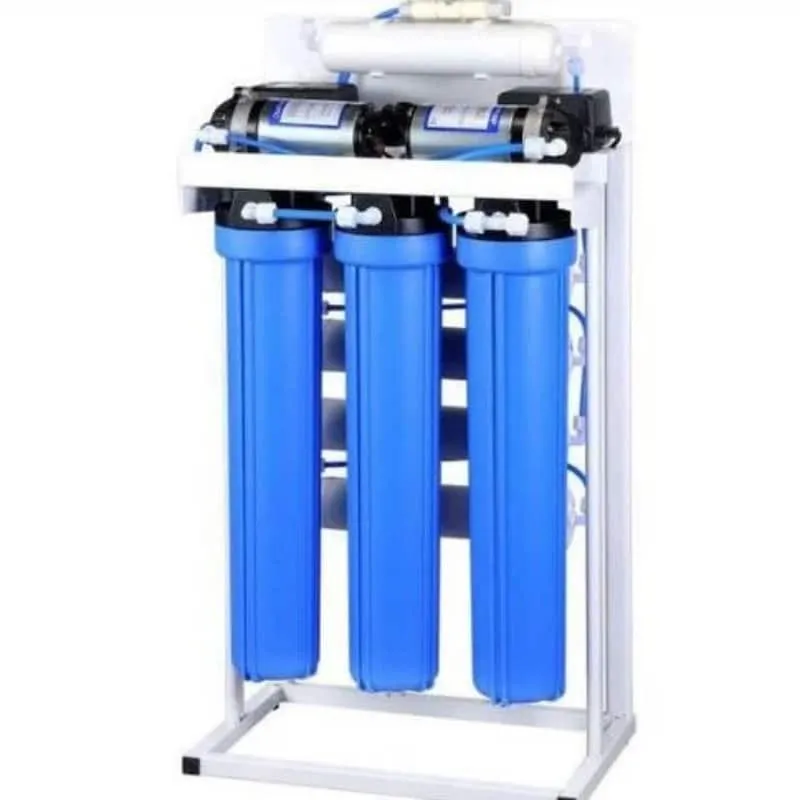
Reverse osmosis gives you very pure water. There are some problems with RO. Fouling happens when stuff builds up on the membrane. Scaling happens when minerals form a layer on the membrane. Strong chemicals can damage the membrane. You need to clean and take care of the system.
Note: You can use membrane systems after flotation and biological treatment. This helps polish the water and lets you reuse it.
Zero Liquid Discharge
Zero liquid discharge systems help you recover almost all water. You can reuse up to 99% of the water in your facility. ZLD uses special steps to separate and concentrate. You get solid waste and clean water. This helps you follow strict rules and use less water.
You can use ZLD with membrane systems, evaporation, and crystallization. You turn paint industry wastewater into useful resources. You protect the environment and save money on water.
Callout: ZLD systems help you recover the most water and follow environmental rules.
You can pick the best treatment methods for your facility. You can use physical-chemical, biological, and membrane processes together. This gives you good wastewater treatment and helps you reach your goals for sustainability.
Effective PWIS Identification and Control Strategies
Source Reduction
You can lower PWIS by starting at the source. If you manage materials well, you stop waste early. Use materials before they expire. Order only what you need. Advanced mixing technology helps you use less raw material. Calibrated equipment makes fewer mistakes. Early checks during production catch problems fast. On-site solvent recycling lets you reuse solvents. This cuts down on waste and saves money.
Good inventory management keeps materials fresh.
Better equipment reduces loss in production.
Strong quality control stops problems early.
Solvent recycling helps you reuse and save.
Tip: Keep your paint booth clean. Use high-transfer-efficiency spray guns. These steps lower paint sludge. They make removing suspended solids easier.
Process Optimization
You can improve your process to control PWIS. This helps you get better results in automotive painting. The InLine Paint Defect Detector Pro Max checks every vehicle for defects. It does not stop production. The system finds tiny defects as small as 0.05 mm. You get reports right away. You can fix problems fast. Humidity control stops airborne contamination. Spraying small water droplets keeps dust away from paint. The Rheonics SRV checks paint thickness all the time. This keeps paint smooth and lowers defects. Sticky tape gates, air nozzle gates, and anti-static steps help keep air clean.
Note: Using these tools lowers defect risk. It makes wastewater treatment work better.
Advanced Removal
You need strong methods to remove PWIS from paint wastewater. Electrocoagulation works better than old methods. EC combines coagulation, sedimentation, flotation, and electrochemical oxidation. This system removes tough pollutants from paint wastewater. You get better separation and higher removal rates. Compost-based hybrid bioreactors also help. These use microbes to break down paint VOCs like toluene, xylene, and butyl acetate. Adding a microbial solution can raise removal efficiency to 90%.
Reactor Type | Microbial Community Size (bacteria/g) | Toxic Chemical Concentration (%) | Effectiveness |
|---|---|---|---|
Continuous Flow Rotating Biological | 10^10 | 20 | Good at breaking down paint stripping effluents mixed with domestic effluents |
Batch Activated Sludge | 10^8 | 53 | Not as good because of higher toxicity |
Fill and Draw Rotating Biological | 10^7 | N/A | Least effective because of fewer microbes |
Electroflotation helps remove suspended solids and paint sludge. It uses electricity to make bubbles. Bubbles lift solids to the top. You skim off the sludge. You get cleaner water. When you combine flotation, electroflotation, and advanced bioreactors, you remove more PWIS. You get better treatment results.
Callout: Advanced removal technologies help you protect the environment. They help you meet industry standards in wastewater treatment.
Smart Monitoring Systems and Practical Implementation
Automated Monitoring
You can make your wastewater treatment smarter with automated monitoring. These systems collect data all day and night. You see numbers for pH, chemical levels, and flow right away. This helps you change treatment steps fast. You can find problems before they get worse. Automated monitoring lets you control removal and separation better. You use less energy and fewer chemicals. Operators can run the system from many places. This saves time and helps you respond quickly.
Feature | Description |
|---|---|
You get instant data on pH and chemical levels. You can make quick changes. | |
The system uses data to guess when equipment might break. | |
Enhanced Operational Efficiency | Automation helps you save money and get better results. |
Tip: SCADA systems help you watch paint industry wastewater and how well treatment works. You can make smart choices and keep your plant working well.
Predictive Maintenance
You can use predictive maintenance to keep your system running well. The system checks sensor data and finds patterns. It tells you when something needs fixing. You plan repairs before things break down. This keeps removal and separation working without stops. You avoid expensive downtime. Predictive maintenance helps you remove more paint sludge and other pollutants. You keep electroflotation and flotation units working longer.
You get alerts for pump problems or membrane issues.
You fix things when needed, not too soon or late.
You save money by stopping emergency repairs.
Note: Predictive maintenance makes paint industry wastewater treatment more dependable. You follow rules and keep costs low.
Economic Factors
Smart systems help you save money in the paint industry. Real-time monitoring finds problems and makes work smoother. You use fewer chemicals and less energy. Early detection of paint defects lowers waste and rework. You use resources better and remove more pollutants. You track everything for better rule-following. You can recover water and materials from paint industry wastewater. This turns waste into something useful for your business.
Benefit | Description |
|---|---|
Enhanced Operational Efficiency | You find problems early and fix them fast. |
Increased Quality Assurance | You lower defects and make products better. |
Resource Optimization | You use materials and energy wisely. |
In-depth Traceability | You keep records for checks and rule-following. |
Callout: Smart monitoring and predictive analytics help you get the most from your wastewater treatment systems. You protect nature and help your business succeed.
Trends and Case Studies
Technology Innovations
New technology is changing how car factories treat wastewater. Many factories now use VACUDEST vacuum distillation. This method gives clean water that you can use again. It also saves energy and lowers costs. Marelli’s way of recovering wastewater is special too. The Altair Enlighten Award gave this system a prize for being good for the environment. These new ideas help you clean water better and remove hard-to-treat contaminants.
VACUDEST vacuum distillation makes clean water and uses less energy.
Marelli’s recovery method is a new example for the industry.
You can use these methods with electroflotation and flotation. This helps take out more paint sludge and heavy metals. You get better separation and cleaner water for your plant.
Digital Transformation
Digital tools can make wastewater treatment smarter. Automated monitoring systems check water quality all day. You get alerts if something changes. Predictive maintenance helps you fix things before they break. You use less energy and fewer chemicals. Digital twins let you test changes safely. You can see how electroflotation and flotation work right away. This helps you make removal and separation better.
Tip: Digital tools help you follow rules and save money.
Industry Examples
Many car factories do better after upgrading their wastewater treatment. You can see big gains in water recycling and saving money. The table below shows what you might get:
Improvement Type | Measurement |
|---|---|
Water Recycling Rate | |
Reduction in Freshwater Consumption | 40% |
Annual Cost Savings | $2 million |
Contaminant Removal Efficiency | 99% |
Water Reuse Rate | 80% |

You can see how advanced treatment, electroflotation, and flotation help reach these goals. Factories now recover more water and remove more pollutants. You help the environment and your business at the same time.
You help nature by using advanced treatment for automotive painting wastewater. Smart systems find dangerous materials and stop water pollution. You lower problems in the automotive industry by taking out hazardous waste before it goes to landfills. Acting early lets you fix problems and follow strict rules.
Remember, each step you take keeps your business safe and helps make the world cleaner.







 English
 Chinese
 German
 Russian
 Japanese
 French
 Dutch
 Italian